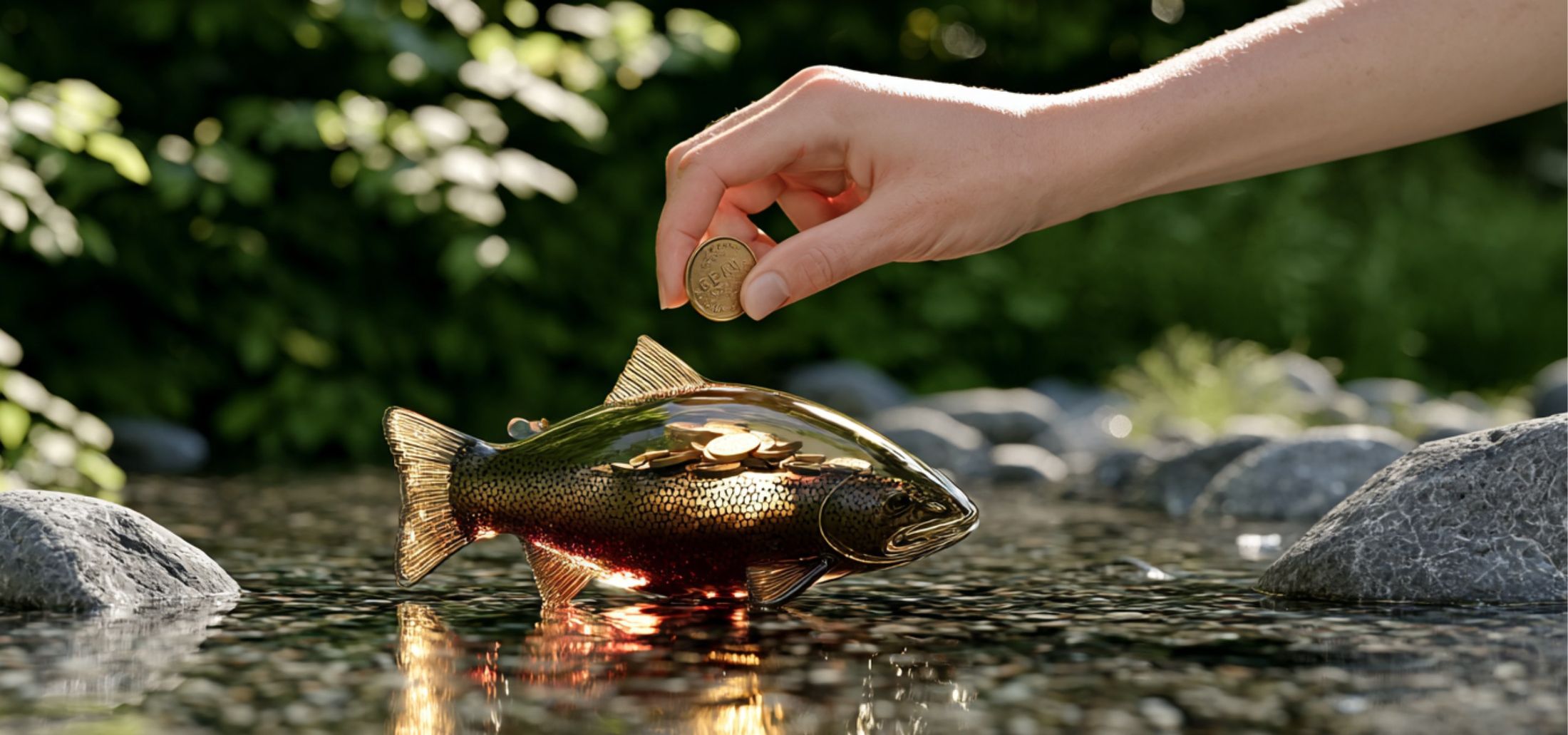
Trout-shaped piggy bank standing in a stream, with a coin held above it

Invest in farming that produces
more, better and more
sustainably

Sustainable agriculture is growing fast, and younger generations pay increasing attention to the quality of their food and to where it comes from.
Today's agriculture answers that demand poorly. With Aquaponeasy, we are building the answer.
Our project is already well advanced and our fundraising round is under way, an opportunity not to be missed!

What you are funding

Before we talk about the market, the opportunity, demand and how the project is organised, here is what your investment will be used for.

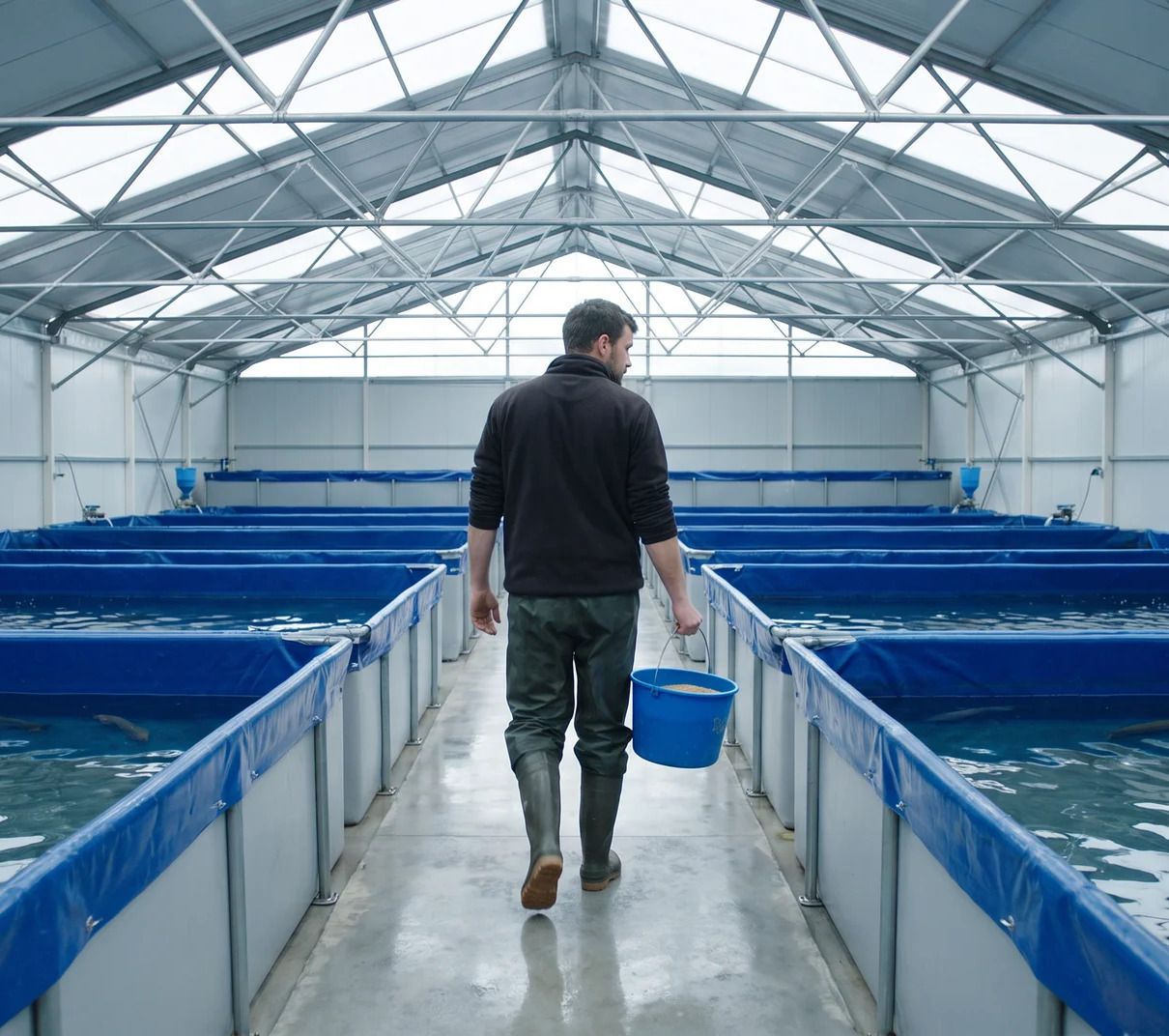
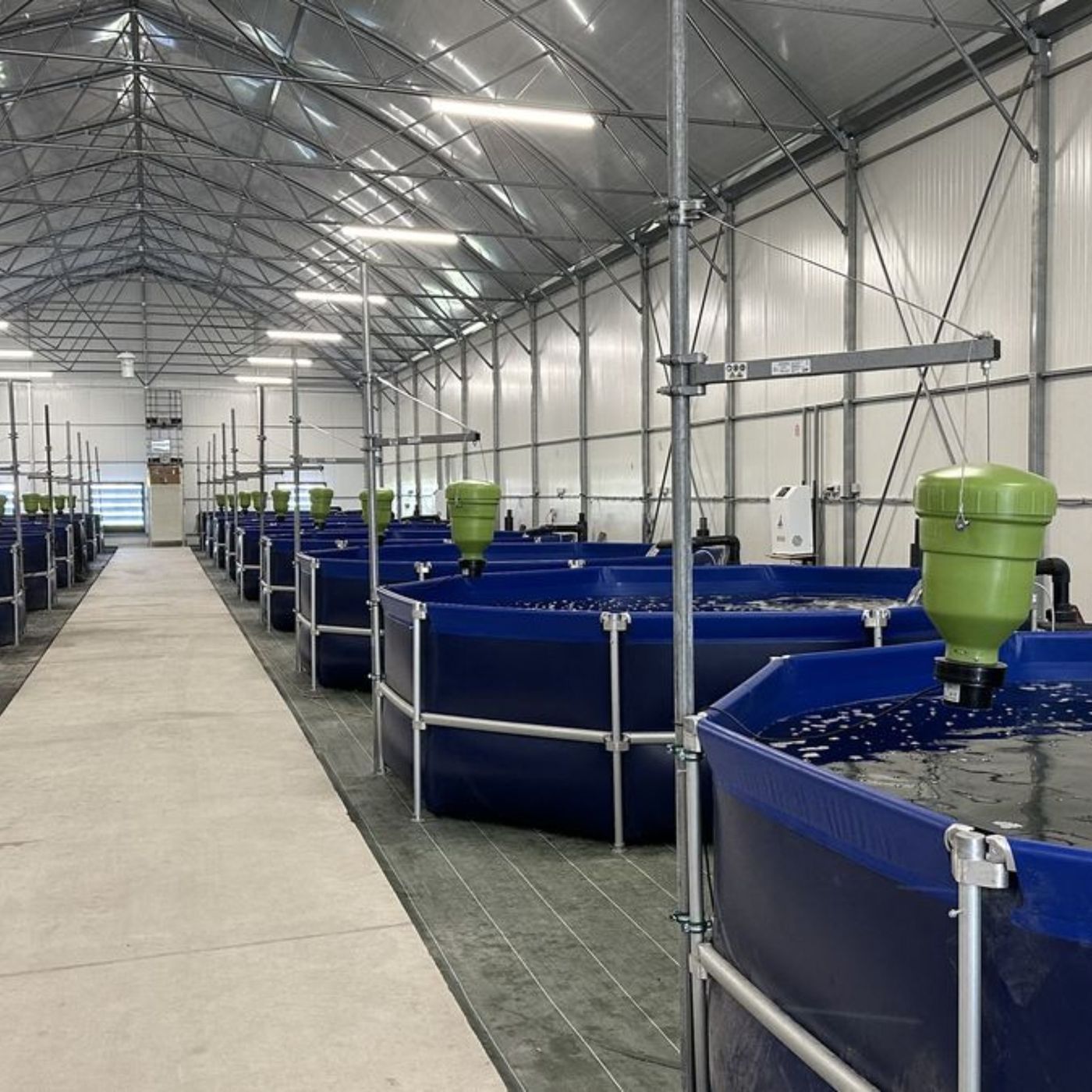
Rows of fish rearing tanks in an aquaponic fish farming hall

The fundraising round will mainly finance infrastructure, not a marketing campaign. Most of the funds will go towards buying the land, capital equipment, fitting out the farm and starting up its operations.

  • Land and buildingsThe plot we have secured in Vic-sur-Seille, in north-eastern France, is currently a bare field. We will fund the site works, the earthworks, the utility networks and the access roads, then the construction of the fish farming halls and the greenhouses.
  • Production equipmentOnce the buildings are up, we will add the tanks, the water circuits, the growing systems, the pumps, the processing workshop, the storage areas and the offices: everything the farm needs to run properly.
  • Launching operationsThe round will also cover the start-up phase, with the purchase of the first fingerlings, seeds and seedlings, the recruitment of the teams and the build-up of working capital ahead of the first sales.

Key figures

0 M€

in total investment
per farm

0 M€

in revenue targeted by year three
per year and per farm

0 M€

in EBITDA targeted by year three
per year and per farm, i.e. 30% of revenue

Orders of magnitude taken from the Aquaponeasy financial forecast, which is itself built on feedback from other farms already in operation. The full detail is provided in the investment pack.

Take part in funding the project

Why now?

The stars are aligned for aquaponics to develop.
Here are five underlying shifts that confirm this is the right moment to invest in Aquaponeasy.

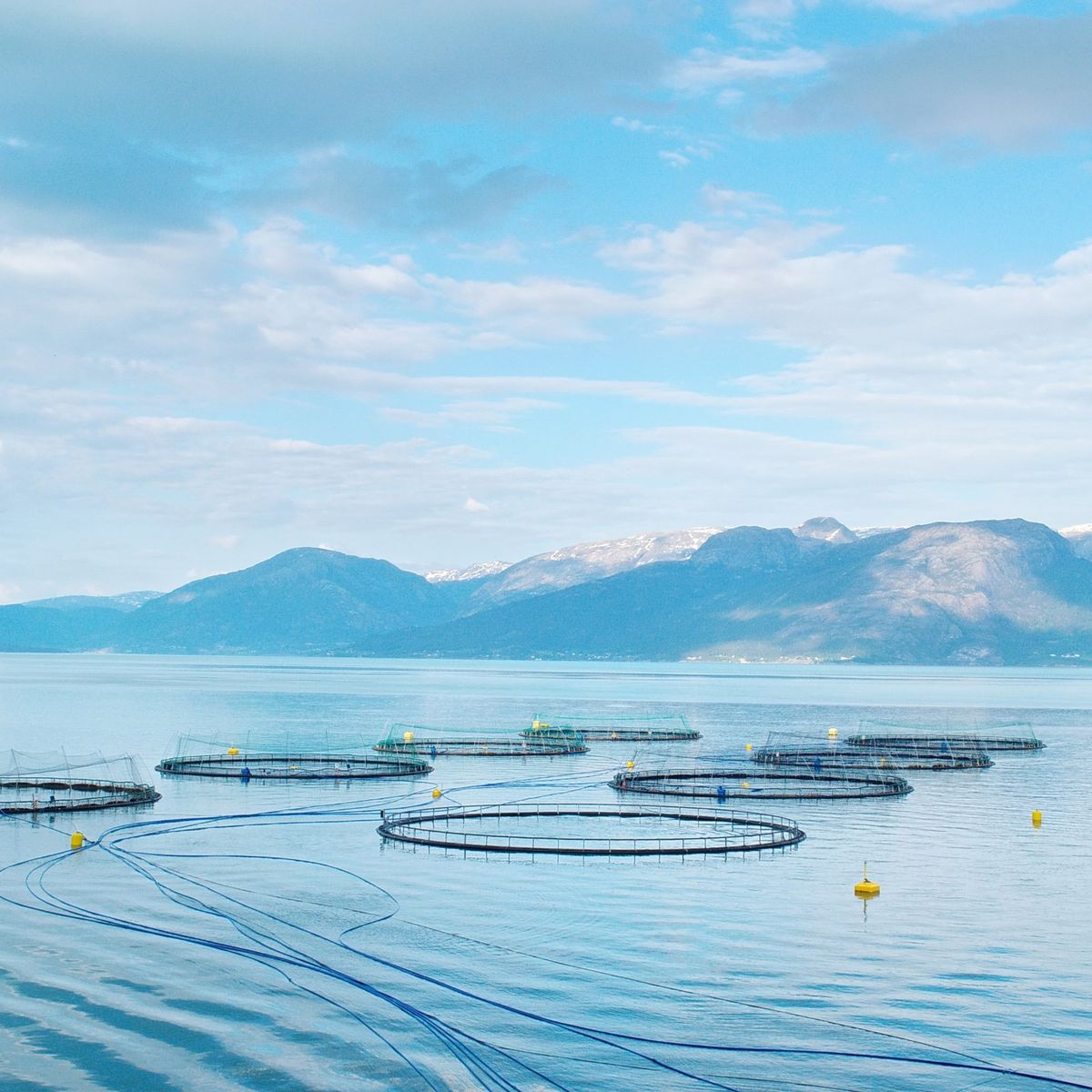
Salmon farming sea cages floating in a fjord
Marine fish farming is contested
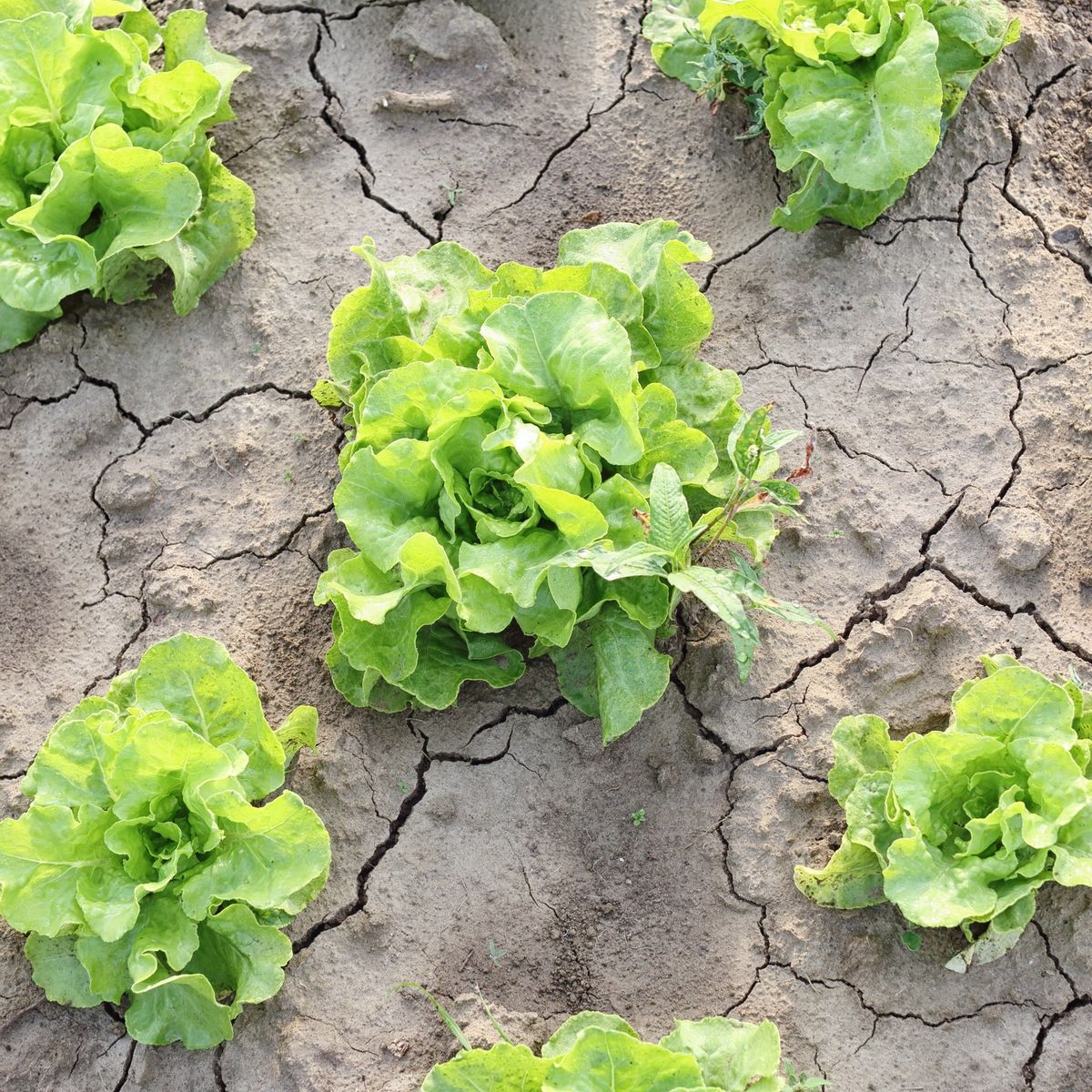
Lettuces growing in ground cracked open by drought
Soil cracked by drought
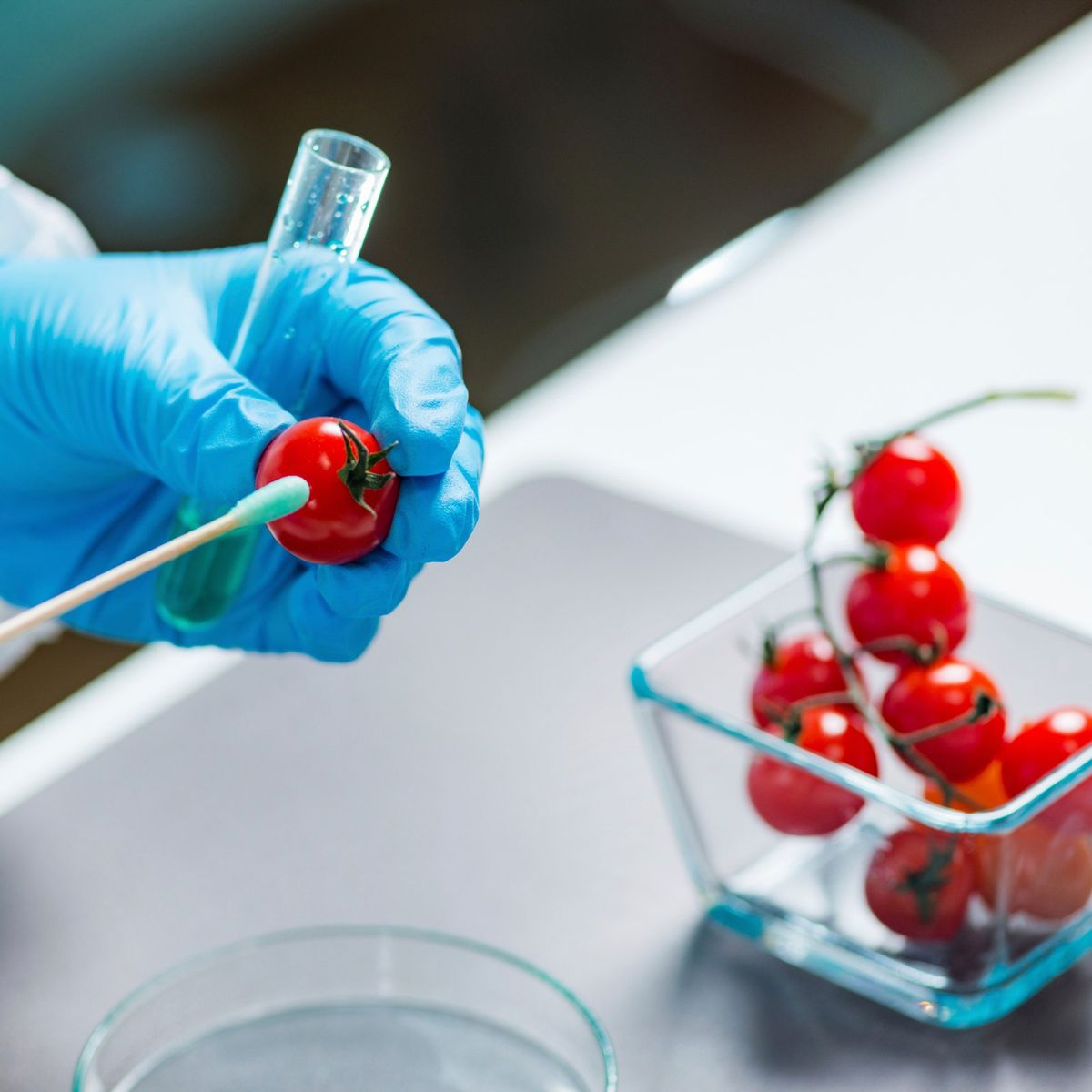
Laboratory analysis of pesticide residues on tomatoes
Testing cherry tomatoes for pesticide residues
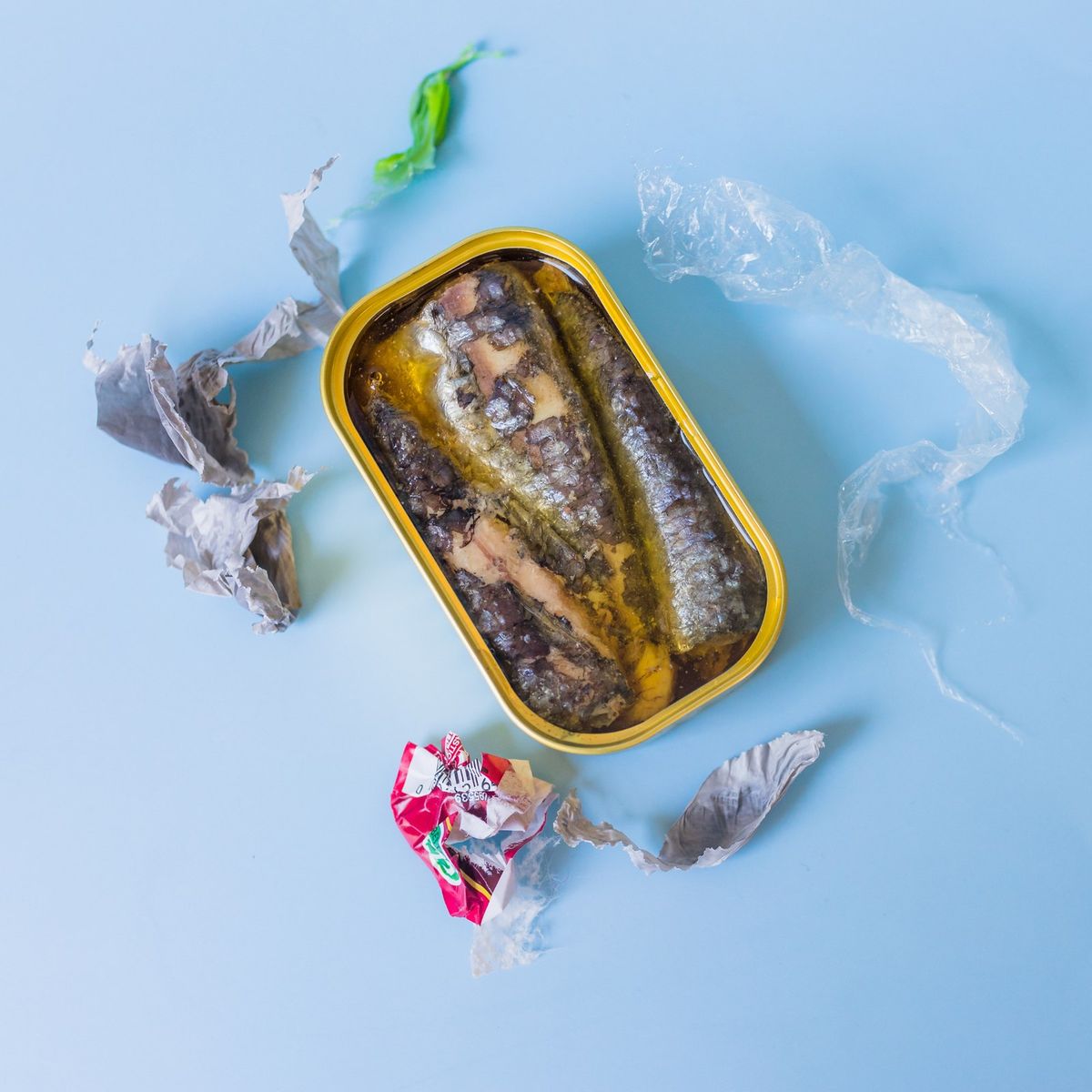
Tin of sardines surrounded by plastic waste
Microplastics and contaminants in wild fish
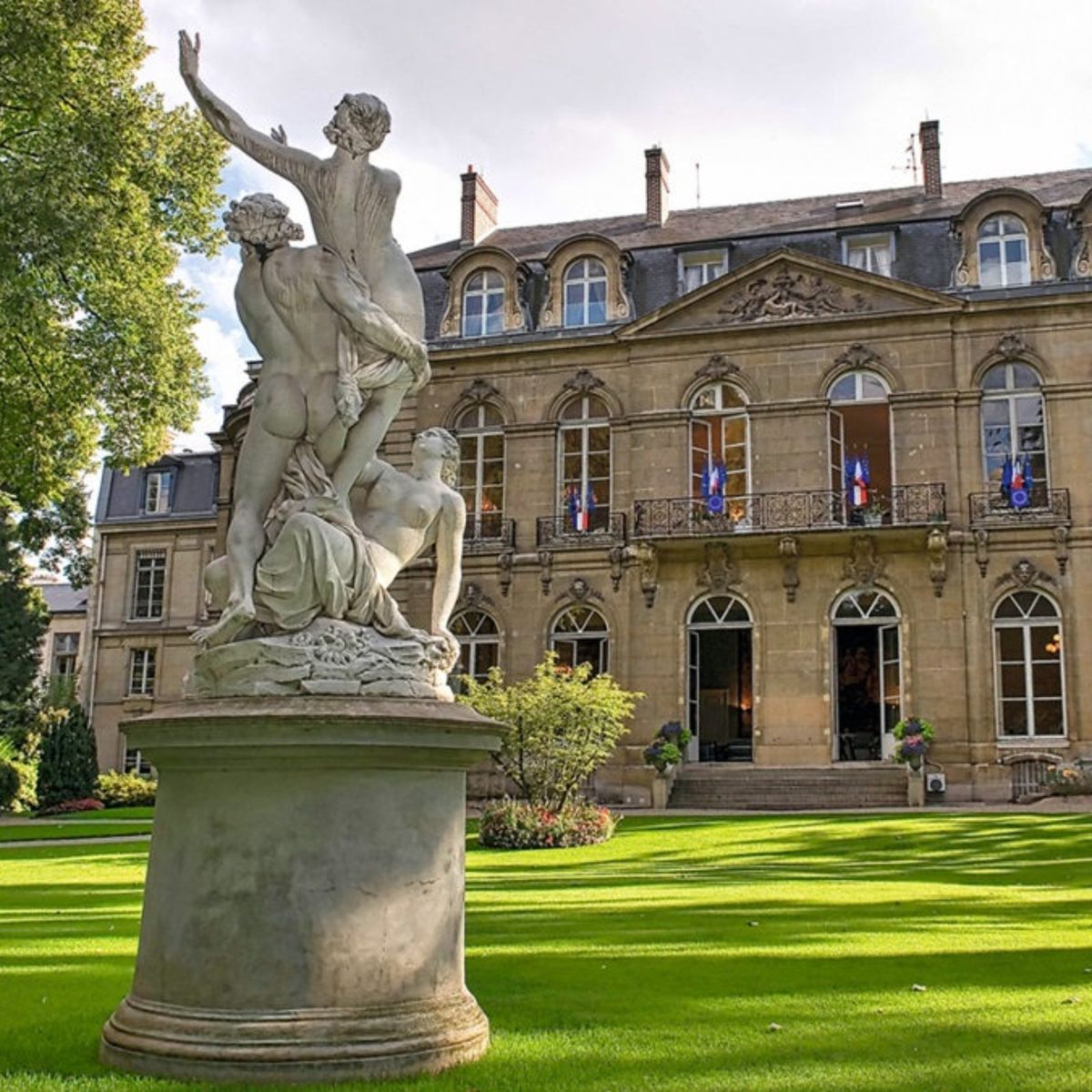
Facade of a French government ministry building
Food sovereignty has become a public priority
Farms rising from the ground, driven by demand
A project ready to launch
High value-added processed products
Trout is gaining market share over salmon
01

France no longer produces what it eats

France imports around 80% of the fish it consumes. Salmon is the most consumed of all, close to 4 kg per inhabitant per year, and it comes almost entirely from abroad. It is now being challenged by trout, which is gaining market share as salmon farming practices come under scrutiny. This is why salmonids, trout and brook trout, are the spearhead of our production.

02

Food quality has become a central criterion

Heavy metals and microplastics in wild fish, antibiotics in farmed fish, pesticide residues on 80% of the fruit and 48% of the non-organic vegetables tested in France.
Consumers are looking at these issues far more closely and are turning to healthy products, as long as the price remains attractive. Production that is free of chemical treatment, traceable and local meets exactly that expectation.

03

We are among the pioneers

Commercial aquaponics already exists but remains little developed. Several farms are operating in France, with different models. We are therefore arriving at a pivotal moment, with enough field experience available to build a solid project in a still emerging sector. In the Grand Est region the market is unoccupied, and this border area is ideal for a first site. Note, however, that the opportunity has not escaped everyone and that the window may be short to seize it and remain among the pioneers.

04

Water is running short, the climate is warming

Droughts, summer restrictions, crops scorched by the sun, disastrous open-field yields... This is what 2026 has been for farmers across Europe. Soil-free aquaponic production, protected under greenhouse, becomes a genuine structural advantage for continuing to produce and for developing agriculture adapted to climate change.

05

The project is ready to start

The land has been secured since July 2025 and the final preliminary designs were produced with several specialised engineering firms. Market demand is validated and public support has been mobilised up to the highest level of the State. Only the fundraising remains to be completed before construction can begin.

Find out more about the opportunity

The market

Salmon, smoked trout, organic fruit and vegetables, aquaponics:
Here are four fast-growing markets that illustrate precisely the opportunity the Aquaponeasy project represents.

The salmon market

ObservedProjected

The global salmon market

In forty years, salmon has gone from a rare fish to a mass-market product, driven almost entirely by aquaculture. The global market is worth $19.1 billion today and is expected to more than double by 2034.

France holds a particular place in it. It is the largest consumer in Europe and the fourth largest in the world, with around 228,000 tonnes a year and consumption per person that has doubled in twenty years.

$19.1Bglobal market 2024
$44.4B2034 projection

Sources: FAO, Global Market Insights.
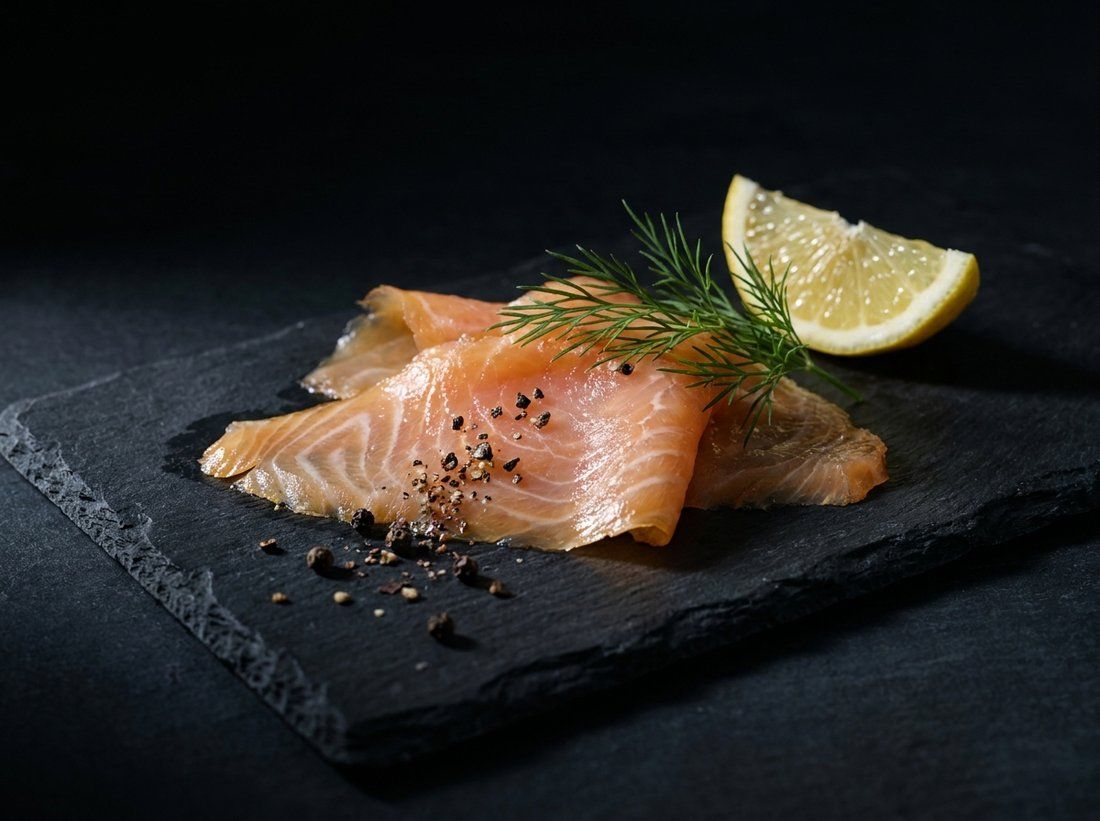
Smoked trout in France

ObservedProjected

The smoked trout market

In under twenty years, French processors have more than tripled their smoked trout output, from less than 2,000 tonnes in 2005 to around 6,450 tonnes in 2024. With 7,200 tonnes on offer across all channels, it now accounts for 19% of the French smoked salmonid market, against 7% twenty years ago.

It is benefiting from buyers switching away from salmon, with one decisive advantage: it can be farmed in France, a few kilometres from the consumer.

×3.2production since 2005
19%of the smoked salmonid market

Sources: ETF, FranceAgriMer.

Organic fruit and vegetables

ObservedProjected

The global organic food market

The global organic food market grew from €15 billion to €136 billion between 2000 and 2023, and fruit and vegetables are one of its main segments. In France, they now account for most of the organic recovery, with 7.3% growth in value in 2025.

In aquaponics we are not certified organic, because the standard requires, among other things, growing in open soil, which is not possible in our case. Our produce nonetheless sits in the same segment: local, fresh, free of synthetic pesticides and sustainably grown. It will therefore benefit from the same appeal.

×9global organic market since 2000
€2Borganic fruit and vegetables in France

Sources: FiBL, Agence Bio, FranceAgriMer.

Aquaponics

ObservedProjected

The aquaponics market

The global aquaponics market, across all segments (production, equipment, training, design), is expected to double between 2023 and 2030, at around 13% a year, and Europe accounts for close to a quarter of it. These estimates therefore measure interest in aquaponics more than farm production alone.

At large scale, the ideal model has yet to be identified. There are many ways of doing aquaponics and no two farms are alike, which is part of why several of them have closed. We are targeting the most robust part of this market: farms sized to local demand.

×2global market by 2030
~25%Europe's share

Sources: Grand View Research, Fortune Business Insights.
Our area, covering Alsace, Lorraine, Saarland and Luxembourg, is home to close to 6 million people. Every year it consumes around 22,000 tonnes of salmonids and 85,000 tonnes of organic fruit and vegetables, or more than €500M at wholesale prices, today supplied mainly by imported produce.

In our discussions with people working in the sector, almost everyone we spoke to responded positively. Demand for local produce is real, and on fish supply is almost non-existent today, far from meeting demand. For some species, we would quite simply be the only producers in the area.

With four farms in the area within five years, we will produce around 380 tonnes of fish and 500 tonnes of fruit and vegetables, generating €6.8M in revenue. That is less than 1% of this market, and barely 1.7% of the salmonid market. Our growth therefore requires neither an upheaval in consumption habits nor the capture of a large market share. Our production will simply meet a demand that has already been expressed, that of replacing a fraction of imported volumes with local production.

With that in mind, the location of our first farm is ideal, immediately alongside the Luxembourg / Nancy corridor and close enough to Alsace to make our produce and our concept known there, and then to set up farms. The model can then be reproduced in other population centres, elsewhere in France and in Europe.

Farming in a portfolio

Investing in agriculture is not about following a trend or betting on the technology of the moment.
It means taking a medium and long-term view, on lower-risk projects that meet a basic human need
and remain extremely attractive businesses.

6 %

allocated on average
to agriculture

  • Conventional property35%
  • Equities and funds28%
  • Bonds and cash22%
  • Unlisted and private equity9%
  • Agriculture, farm operations and farmland6%

Indicative breakdown of a diversified private portfolio. Large institutional investors often allocate 10 to 20% to real assets, of which 1 to 5% to agriculture.
Sources: Brookvine, NCREIF Farmland Index.

Capital is moving back towards productive assets. In Europe and in the United States, more and more entrepreneurs and investors from every background are putting agriculture and food at the heart of their long-term strategy. Here is why:

Demand that never stops

People eat in times of crisis as well as in times of growth. This inelasticity sets agriculture apart from almost every other sector and explains the low sensitivity of its revenues to crises. Our prices also remain in line with those of large retailers, accessible to the greatest number, and are not positioned as premium.

Increasingly scarce resources

Farmers, water, arable land and wild fish stocks are all shrinking while demand rises. Part of the sector will not adapt and will be replaced by mega-farms that consumers want no more of. An aquaponic farm occupies the middle ground, produces more with less and of better quality. Beyond the environmental argument, the advantage is strategic.

An ageing sector in search of breakthrough innovations

In France, more than 40% of farmers are over 55 and very few will be replaced. This production will have to be taken over,
and the main task will be to adapt it to climate change and to the expectations of new consumers. That is exactly what aquaponics makes possible, and that is why it represents a real opportunity!

They have already understood this and are investing in tomorrow's agriculture:

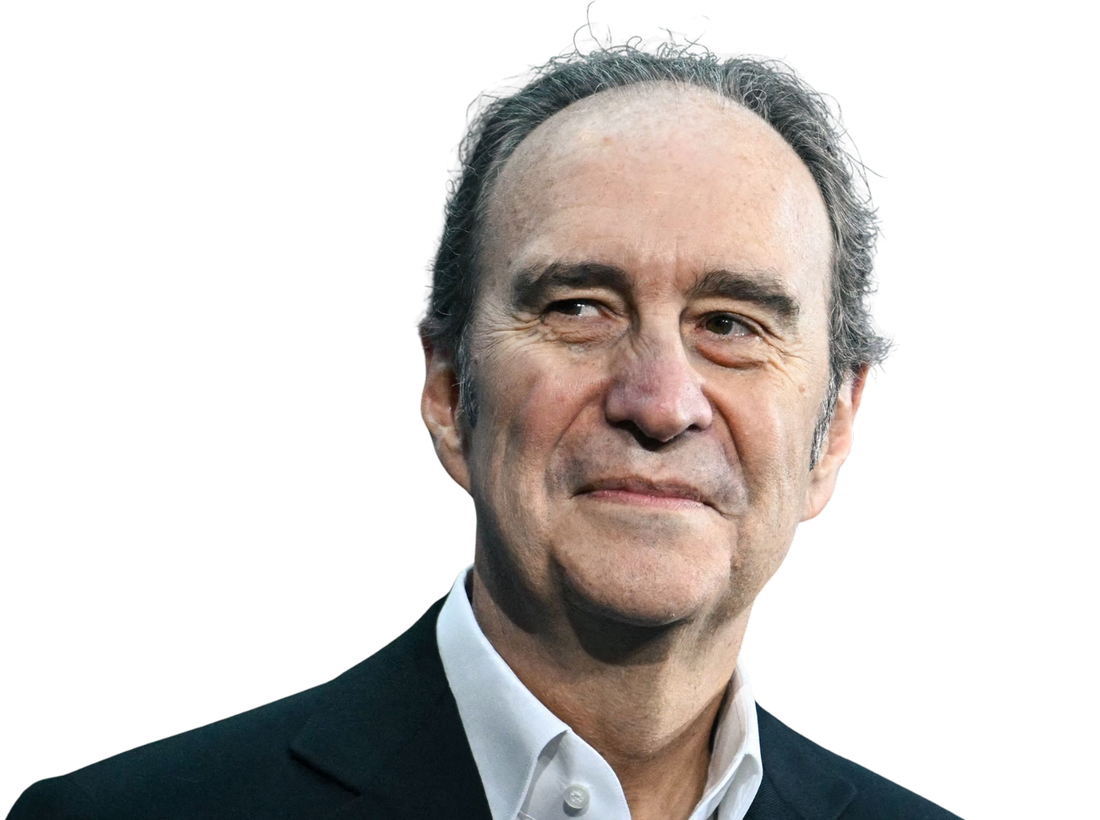
Xavier Niel, investor cited as an example

After shaking up telecoms and building Europe's largest startup campus, Xavier Niel co-founded Hectar, a 600-hectare farm and campus devoted to tomorrow's agriculture.

The site trains people with farming projects free of charge and supports regenerative models, with the aim of bringing through a new generation of farmers.

Xavier NielFounder of Free and Station F, co-founder of the Hectar farm-campus
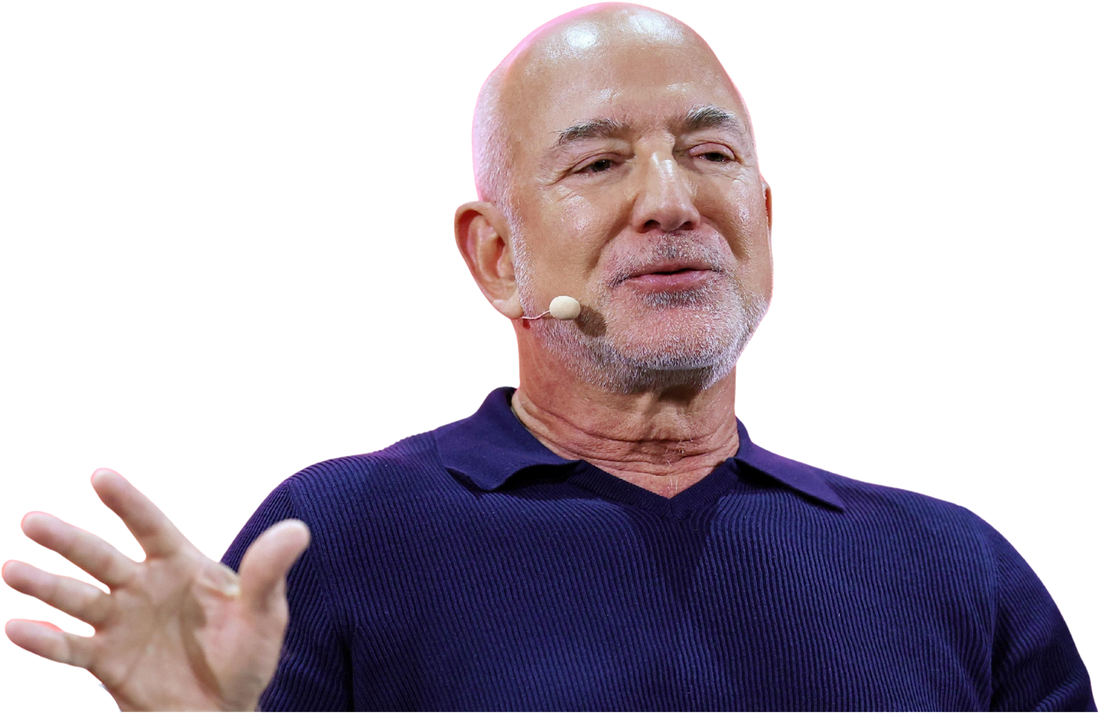
Jeff Bezos, investor cited as an example

Beyond Amazon, Jeff Bezos owns more than 400,000 acres of land in the United States, including large farming estates and ranches, and invests in vertical farms such as Plenty, which grows soilless crops close to cities.

At the same time, the Bezos Earth Fund is committing several billion dollars to restoring landscapes and shifting food systems towards leaner, more sustainable models.

Jeff BezosFounder of Amazon and the Bezos Earth Fund, investor in vertical farms
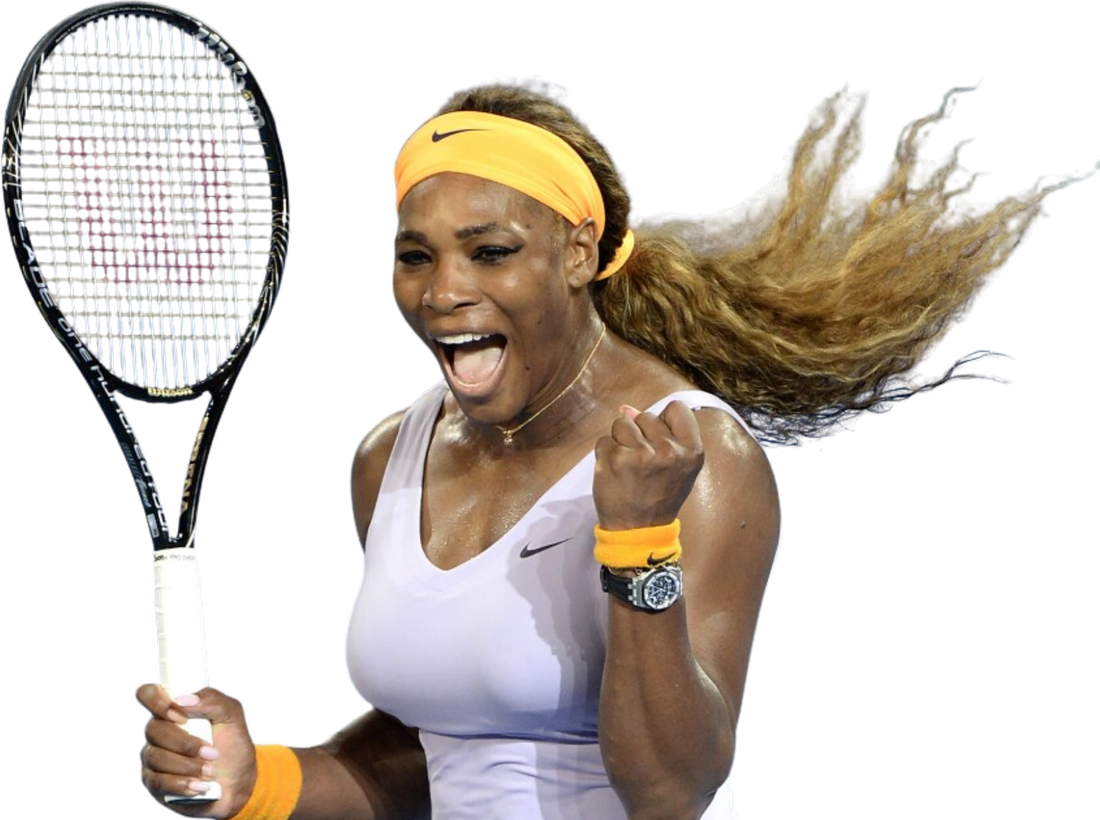
Serena Williams

After her sporting career, Serena Williams founded Serena Ventures, a fund of more than $100M that has invested in over 85 companies, including Impossible Foods and its alternative proteins.

Fourteen of its holdings have since passed a billion dollars in valuation, with constant attention paid to women founders and under-represented entrepreneurs.

Serena WilliamsFounder of Serena Ventures
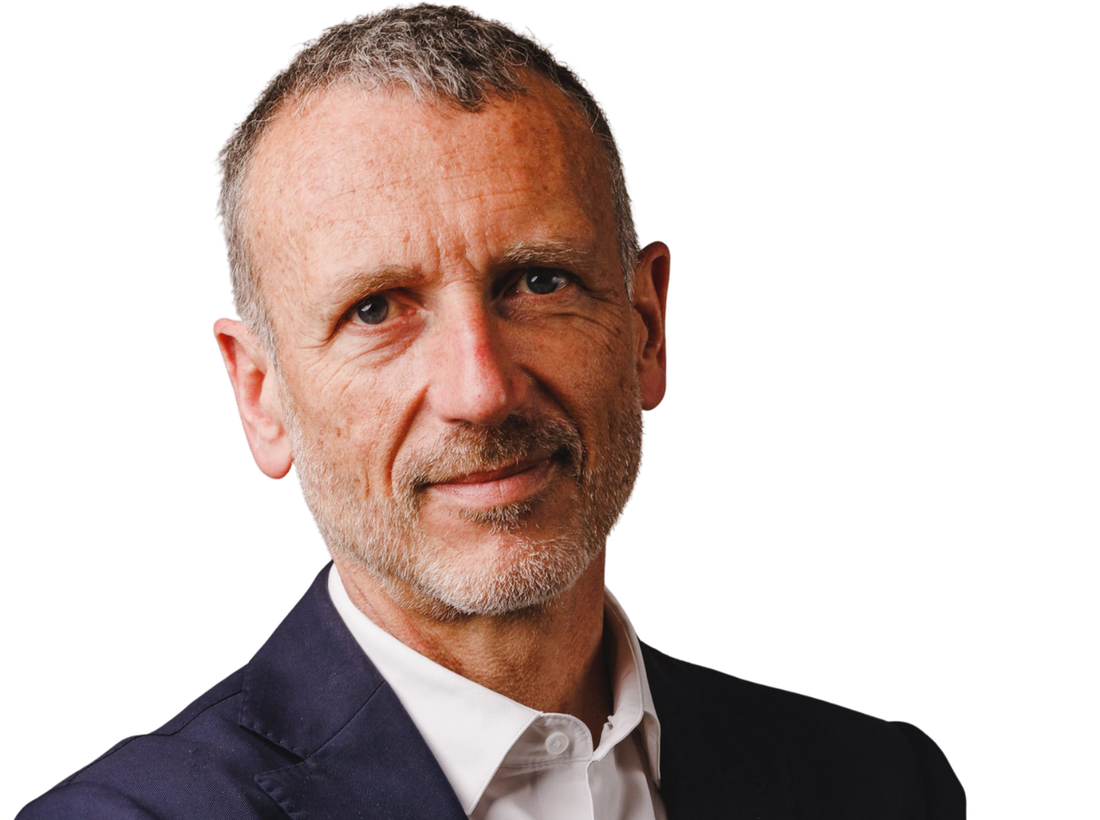
Emmanuel Faber

After running Danone for nearly ten years, Emmanuel Faber now invests in impact agrifood at Astanor and chairs the International Sustainability Standards Board.

His career is a reminder that the food performance of tomorrow will be decided as much in production models as in distribution, and that the two can no longer be thought about separately.

Emmanuel FaberFormer CEO of Danone, partner at Astanor
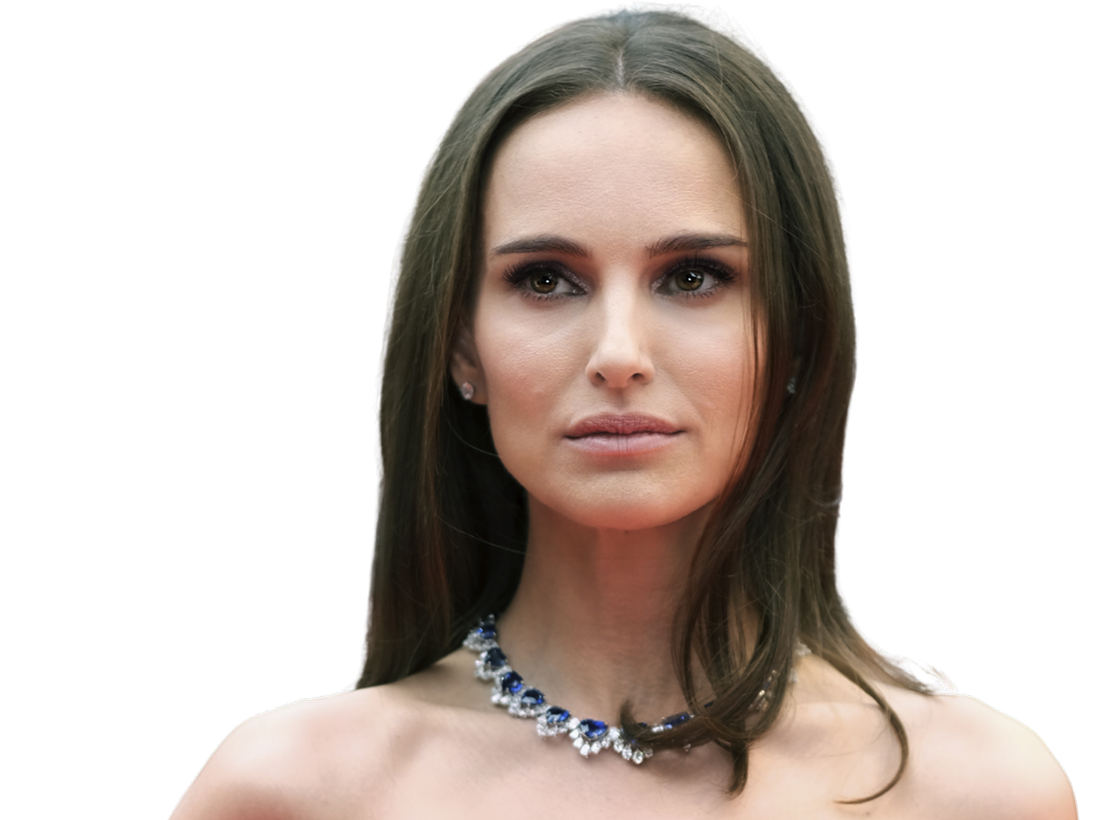
Natalie Portman

Natalie Portman has spent several years investing in sustainable food companies, from Sweden's Oatly to France's La Vie, alongside other investors committed to the food transition.

She speaks publicly about the impact of what we eat on the environment and on health, and has long made it one of the main themes of her investment portfolio.

Natalie PortmanActor and investor in sustainable food
Bill Gates, investor cited as an example

Bill Gates has become the largest private owner of farmland in the United States, with more than 250,000 acres under cultivation across seventeen states. He presents these farms as a long-term investment.

At the same time, he funds dozens of agritech and foodtech startups covering seeds, crop protection, waste reduction and alternative proteins, to make farming more productive and more sustainable.

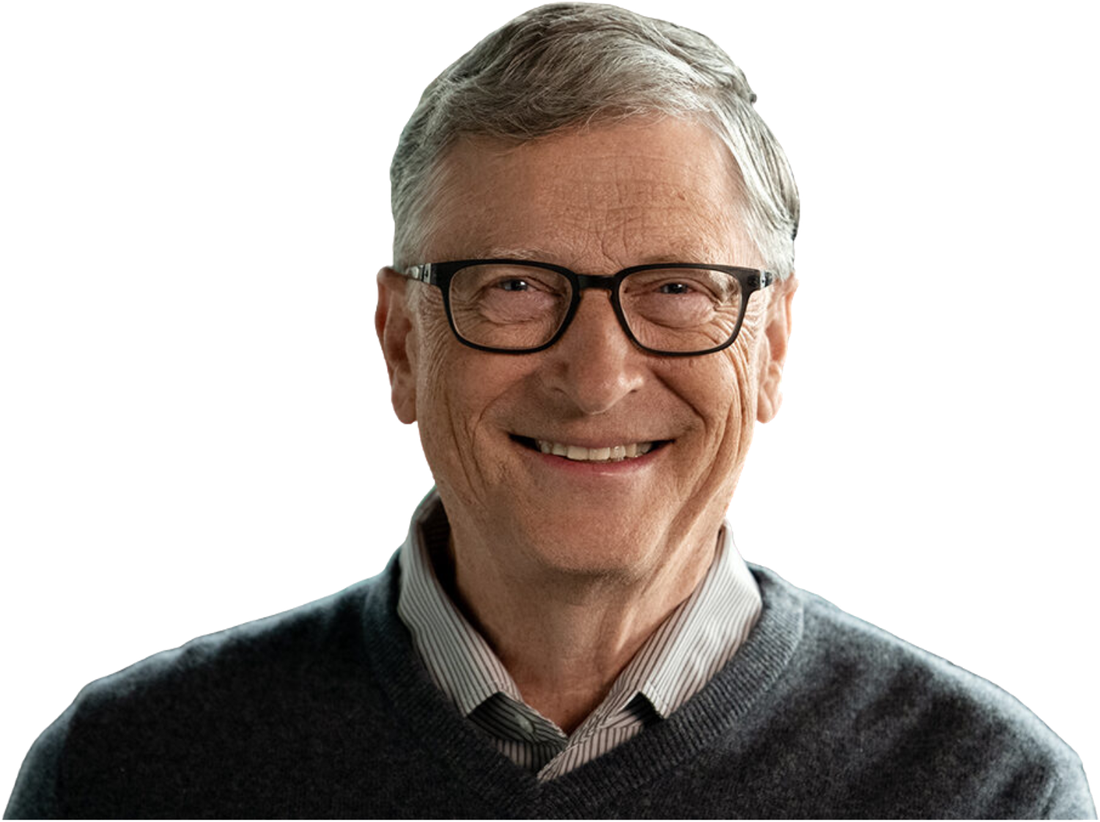
Bill GatesCo-founder of Microsoft, largest private owner of farmland in the United States
I want to invest
in tomorrow's agriculture too

Demand is already there

Before construction has even started, professional customers in the area have signed expressions of interest covering our future production.

More than 25 supermarkets, 20 restaurants and 2 central kitchens have already signed these documents. All are within a maximum radius of 100 km of the farm.

We also know, from the experience of other farms, that healthy local aquaponic produce is in high demand and that customers, once won over, come back. The full list of signatories is provided in the investment pack, on request.

Taken together, these commitments cover more than 100% of the planned production earmarked for B2B.

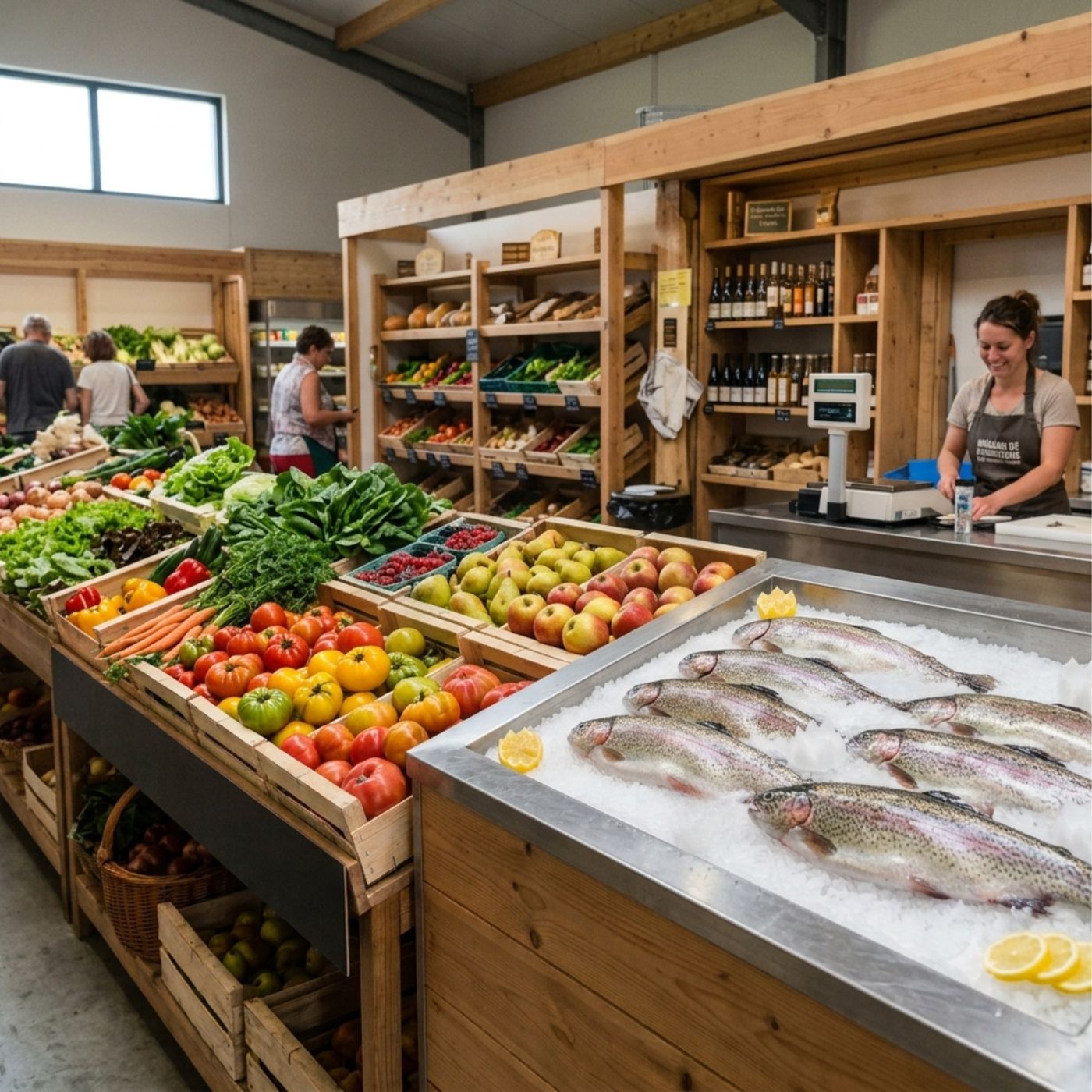
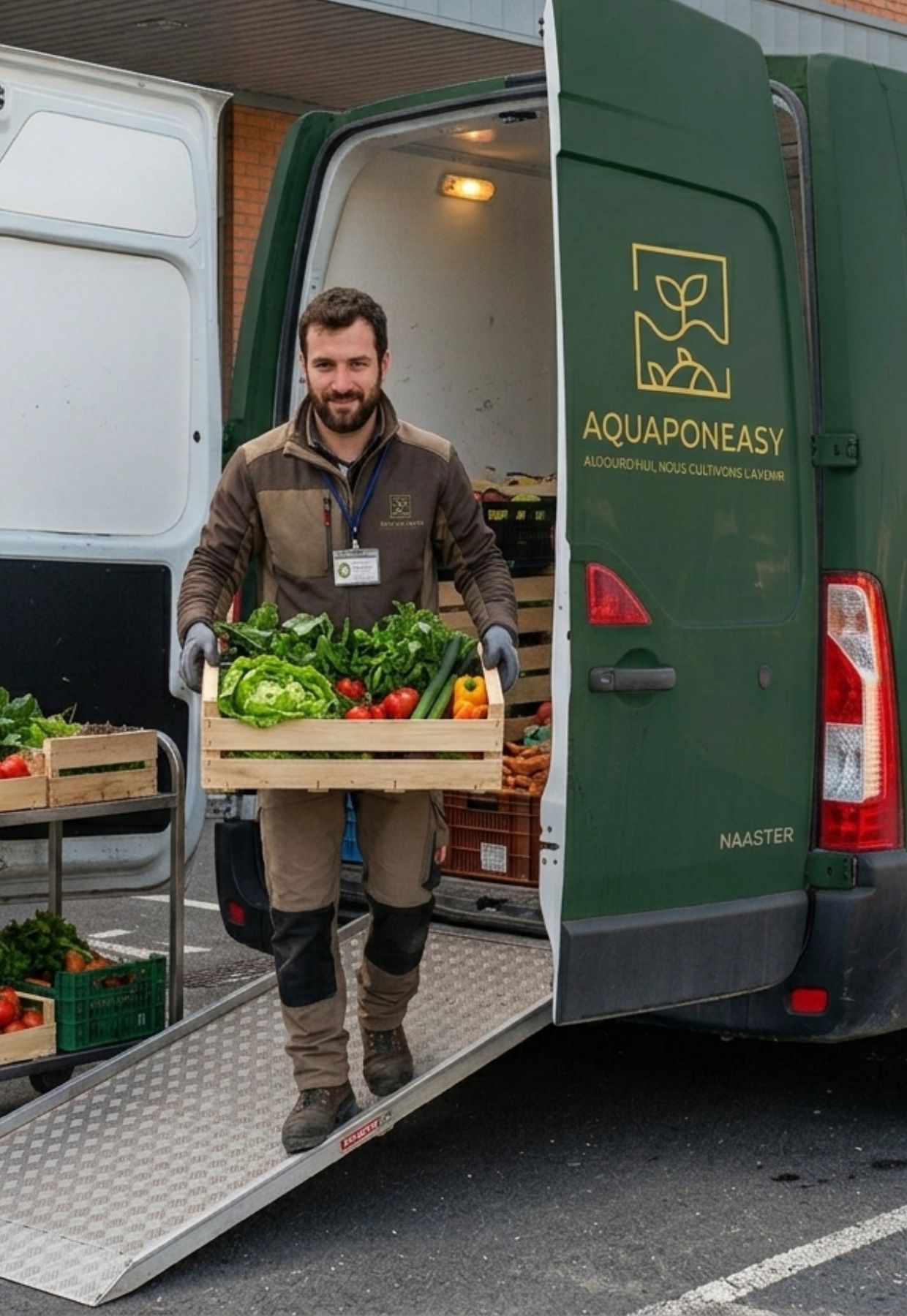
Stall of fresh fruit, vegetables and trout in a farm shop

Examples of signatories:

Discover our business model and sales channels

Estimated volumes by sales channel:

  • Supermarkets and producer shops60%
  • Restaurants and catering kitchens25%
  • Direct sales and farm shop15%

Supermarkets and producer shops are our main customers, but not the only ones. We work with them because they bring volume, which is essential to sell a production like ours.

We also work with restaurant owners, some of whom will collect their order directly at the farm, and we will sell directly to people living nearby. This last channel is a way to sell more processed products, at a better margin.

Other channels may be opened up or tested, such as sales to central kitchens, wholesalers, fishmongers, processors or national wholesale food markets. This first farm will also let us try out those channels and work out which customers we want to prioritise going forward.

A de-risked project

Building and running an aquaponic farm of this size carries a number of risks.
We have identified them from the experience of other farms, and here is how we will address them.

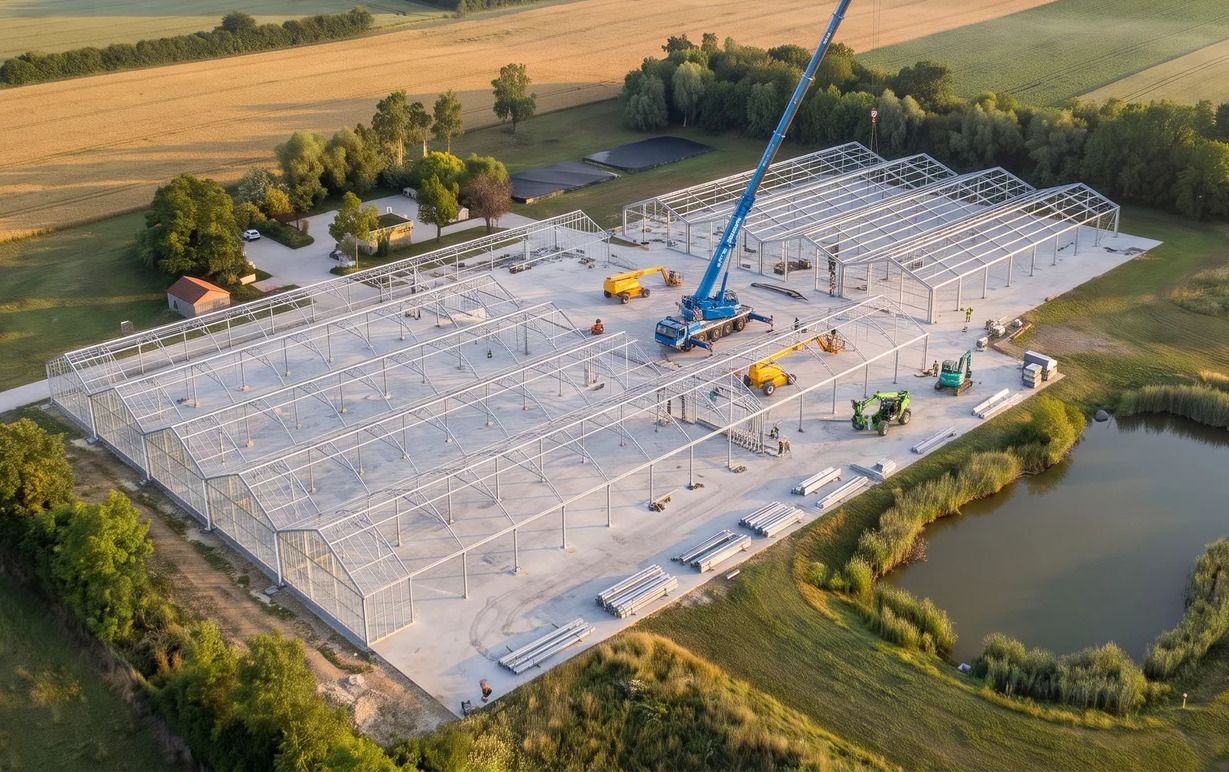
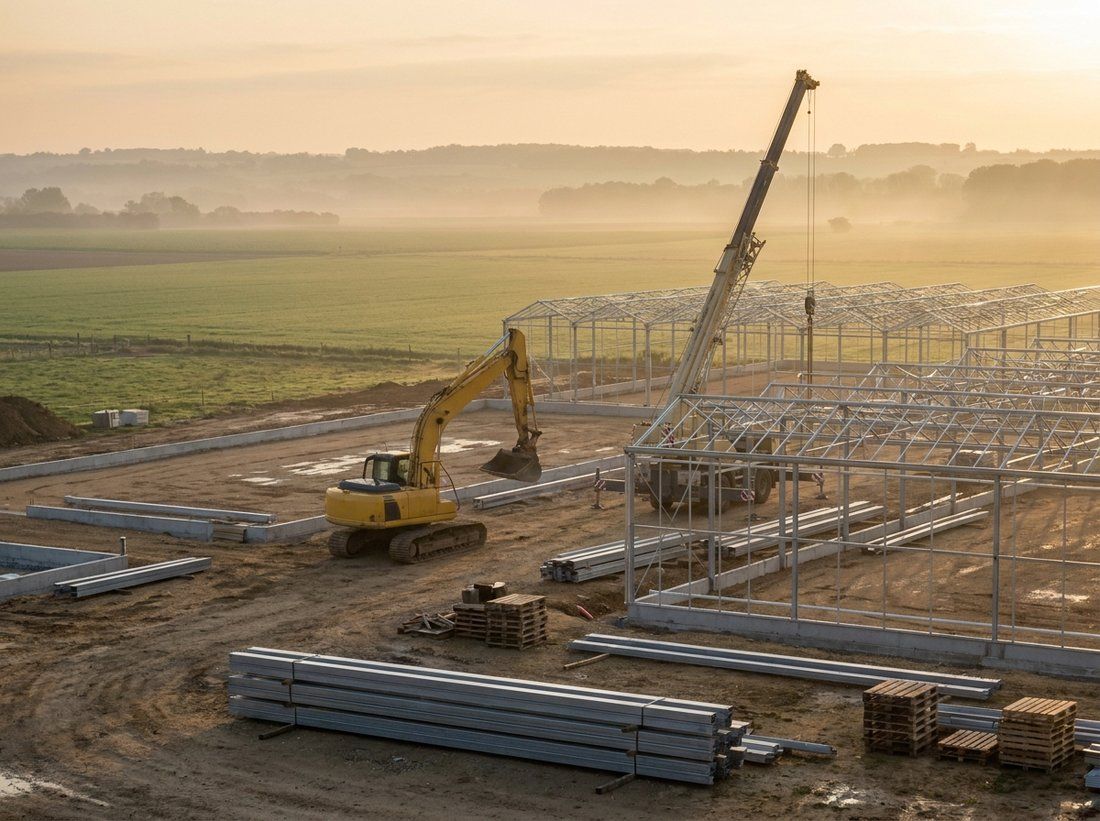
Farm construction site, greenhouse structure being assembled 01

Construction risk

Overruns in schedule and budget are the hardest risk to control. For each work package we have selected experienced firms, some of which have already built aquaponic farms in France, and our engineering consultants will monitor the works on site.

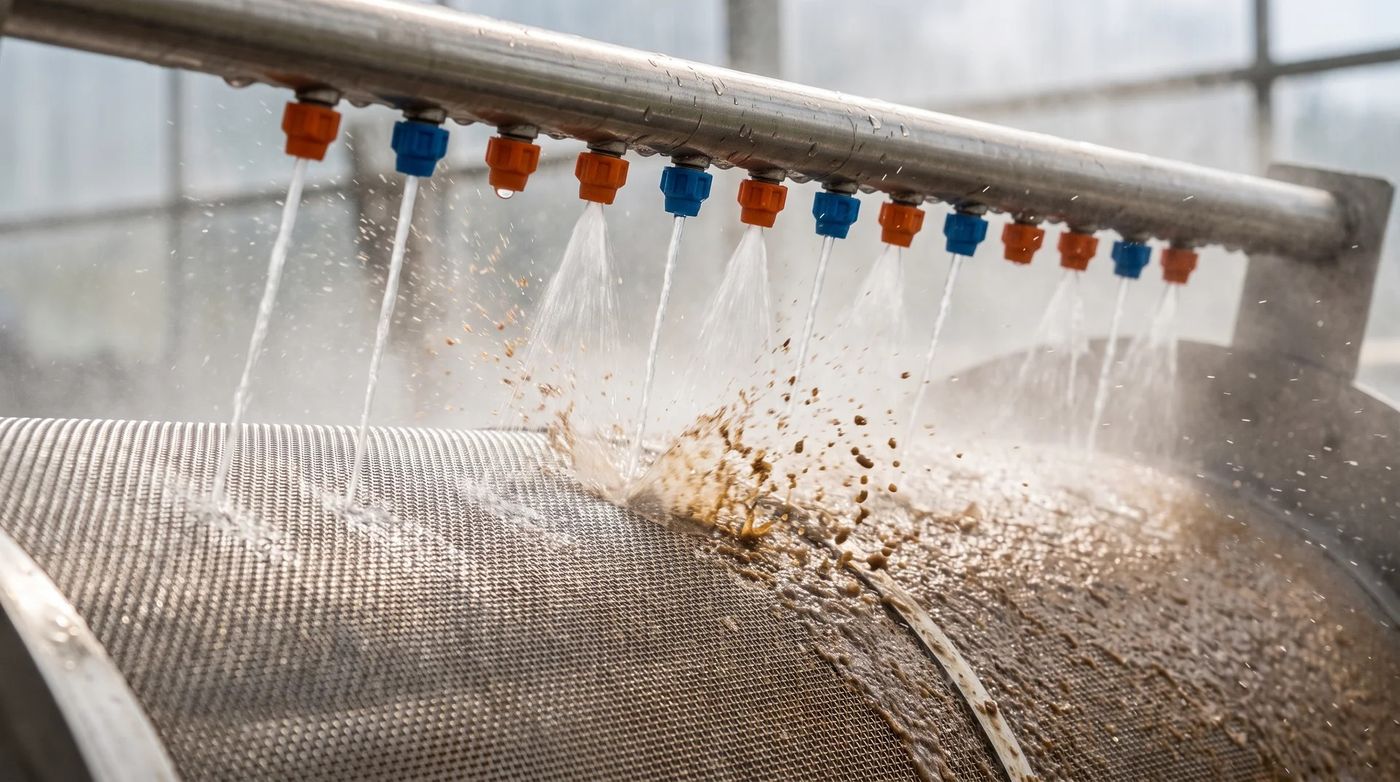
Drum filter running in the farm's water circuit 02

Technical risk

An aquaponic farm is a living and complex system. It was designed with engineers who have already built several. Sensitive equipment will be duplicated, with spare parts on site and a permanent alarm, and three managers will live less than fifteen minutes from the site.

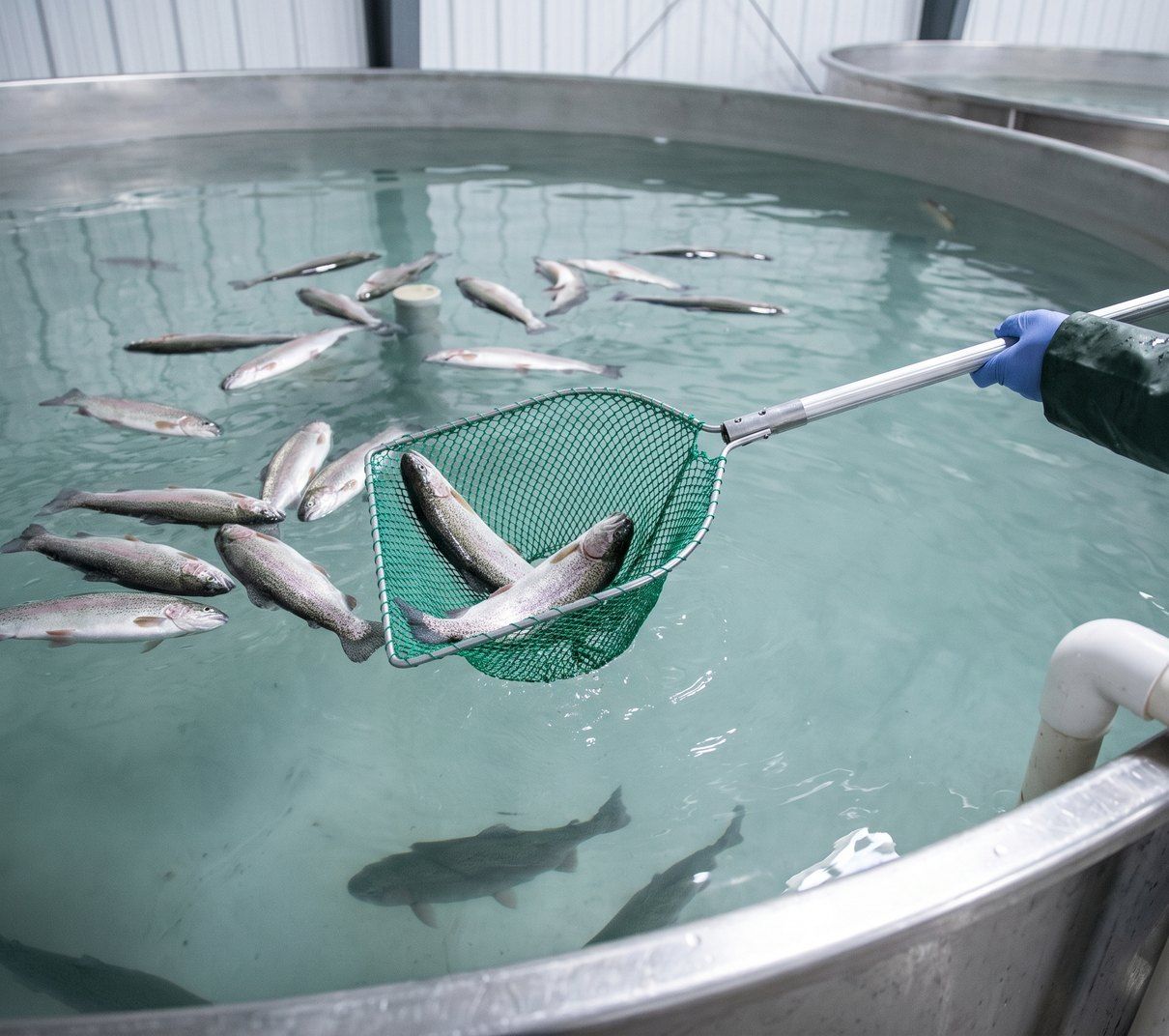
Dead fish being netted out of a rearing tank 03

Health risk

Stock mortality is the number one risk, especially at the first arrivals, as long as the nitrogen cycle is not established. We will be supported by teams that have carried out several start-ups. Each species has its own water circuit, the tanks can be isolated, and to this are added quarantine, continuous testing, UV disinfection and vaccinated fry. An incident therefore remains confined to a single species.

Technician feeding the fish tanks on the farm 04

Staffing risk

Few people are trained in aquaponics, but it brings together two established trades, aquaculture and soil-free market gardening, where such profiles do exist. An innovative project and sheltered working conditions make us attractive, and our network of partners has been training young people for several years. Every recruit will also be trained on the other units.

Customer buying vegetables at a market stall 05

Commercial risk

Producing is one thing, selling is another. We already hold letters of interest covering more than 100% of the production intended for B2B, i.e. 85% of the farm's volume, and many shops in the area have not yet been approached. Two people based on site will drive commercial development.

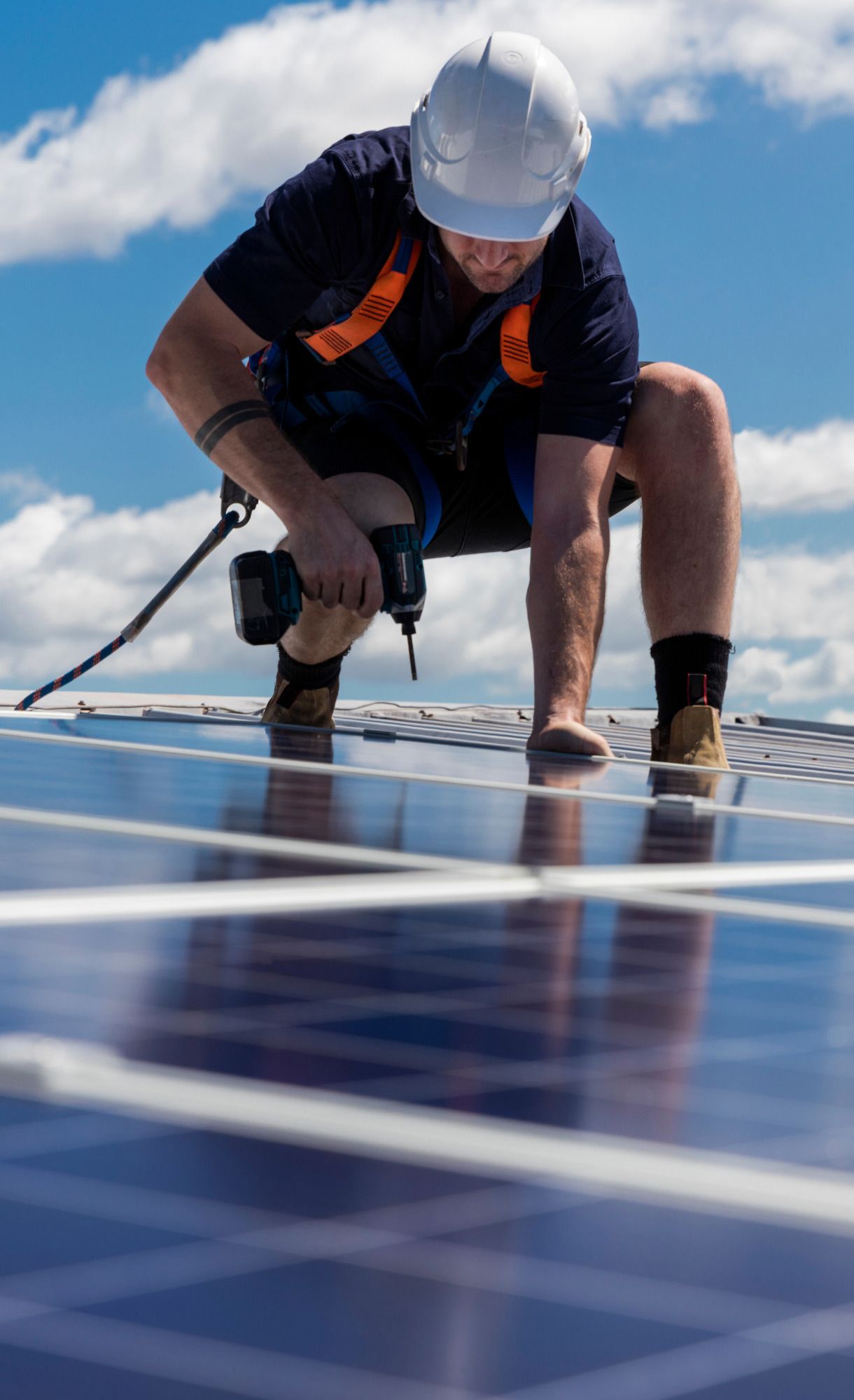
Solar panels being installed on a roof 06

Energy risk

Electricity is our second largest cost item, just after wages. Photovoltaic panels will be installed on site to self-consume part of it and durably reduce the bill. Other energy models may be chosen for the following farms, depending on the resources of each area.

Contact the team to find out more

Still not convinced?

Every day, the news proves us right.
Droughts, dependence on imports, contamination of farmed and wild fish…
Aquaponics is not an option, we are moving with a history that is already written.

Le Monde

Drought causes a “collapse” in vegetable production. “Even when irrigated, the young plants did not survive”

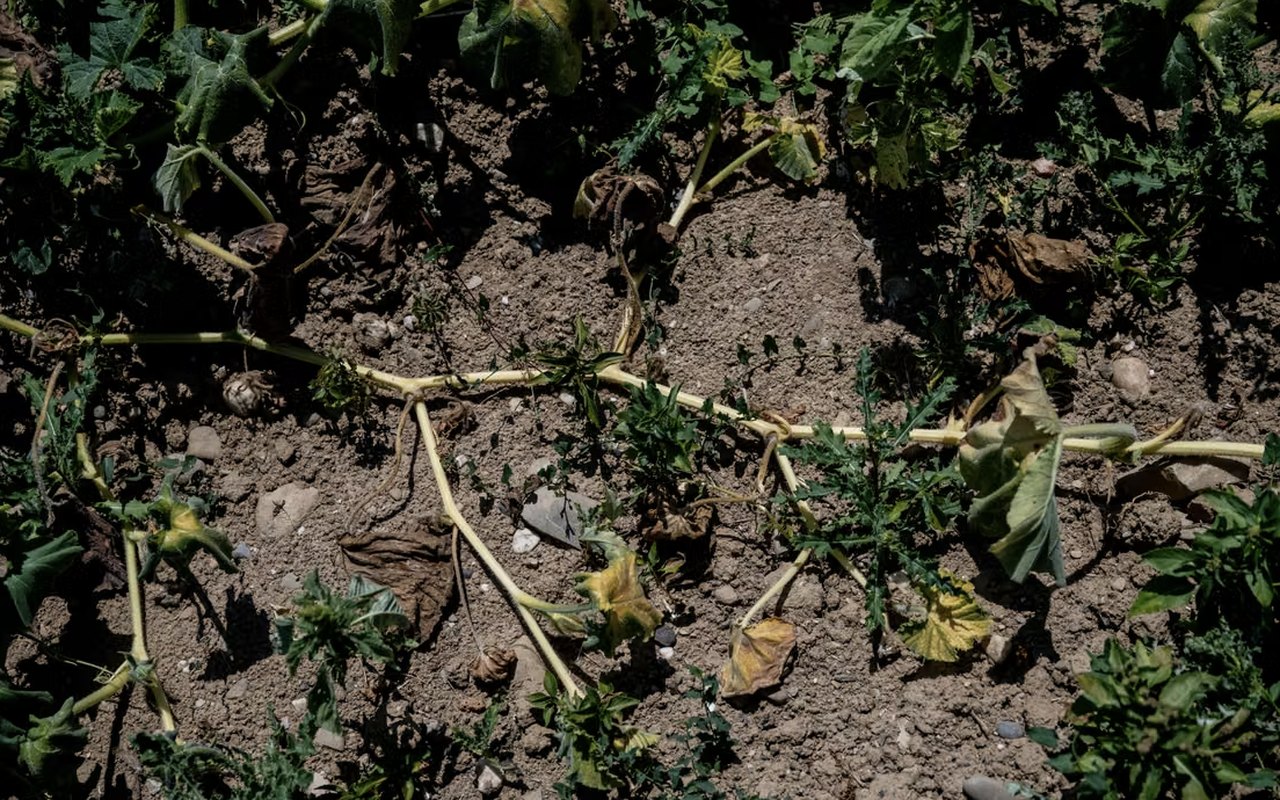
Withered courgette plants on a cracked plot of land

Summary

  • Up to 50% losses on summer vegetables
  • Thousands of tonnes of local production lost
  • Even irrigated plots did not hold out
  • The Ministry of Agriculture speaks of a disaster
Read the article

Reporterre

Salmon, herring, cod… fish contaminated with PFAS

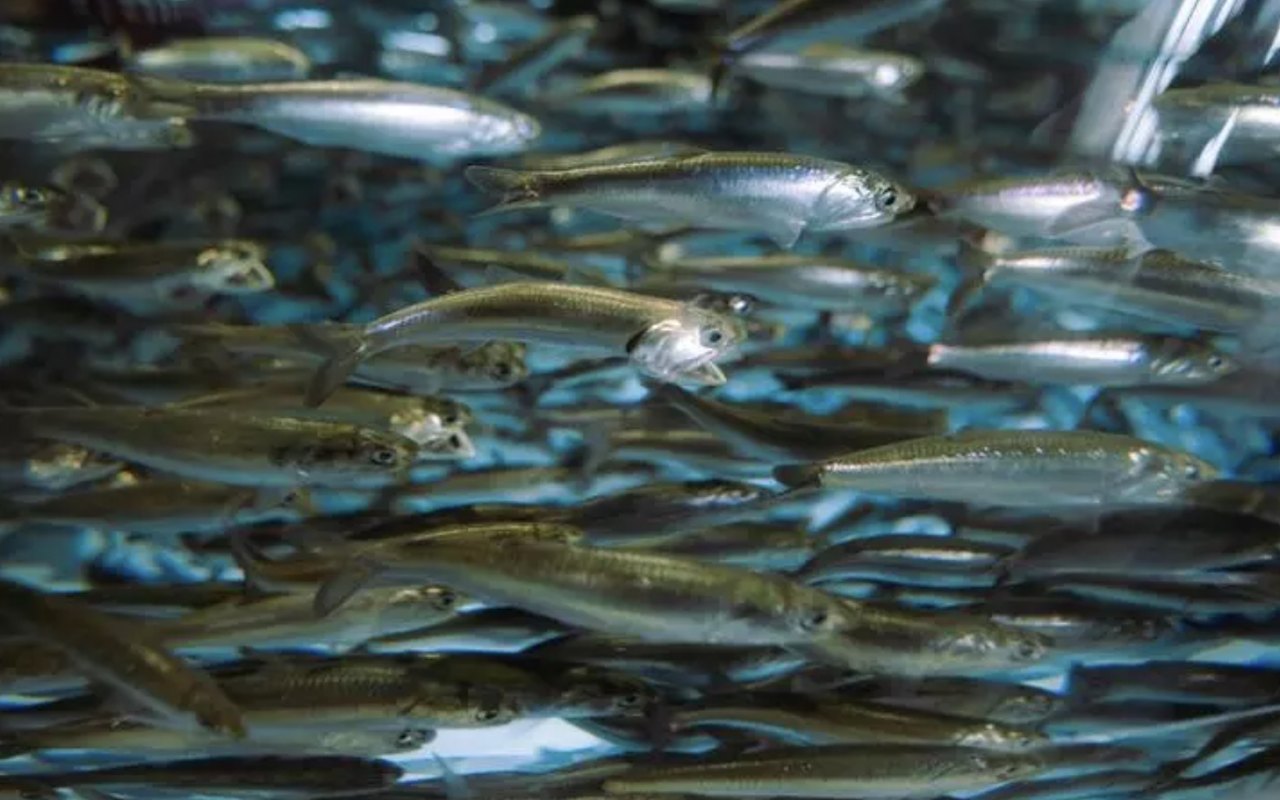
Shoal of herring in the water

Summary

  • Study published in the journal Science on 18 December 2025
  • 212 marine species assessed, 150 fish analysed
  • Cod, salmon and herring among the most contaminated
  • Fish is a major source of exposure to PFAS
Read the article

France 24

Pfas and cadmium, the guide to drinking and eating without (too much) poisoning yourself

Stall of assorted foods and a compass, illustration from the France 24 series

Summary

  • Food, the leading source of exposure to cadmium and PFAS
  • Seafood is particularly exposed
  • Contamination comes from soils and agricultural inputs
  • Favour organic and act at source on inputs
Read the article

ABC News

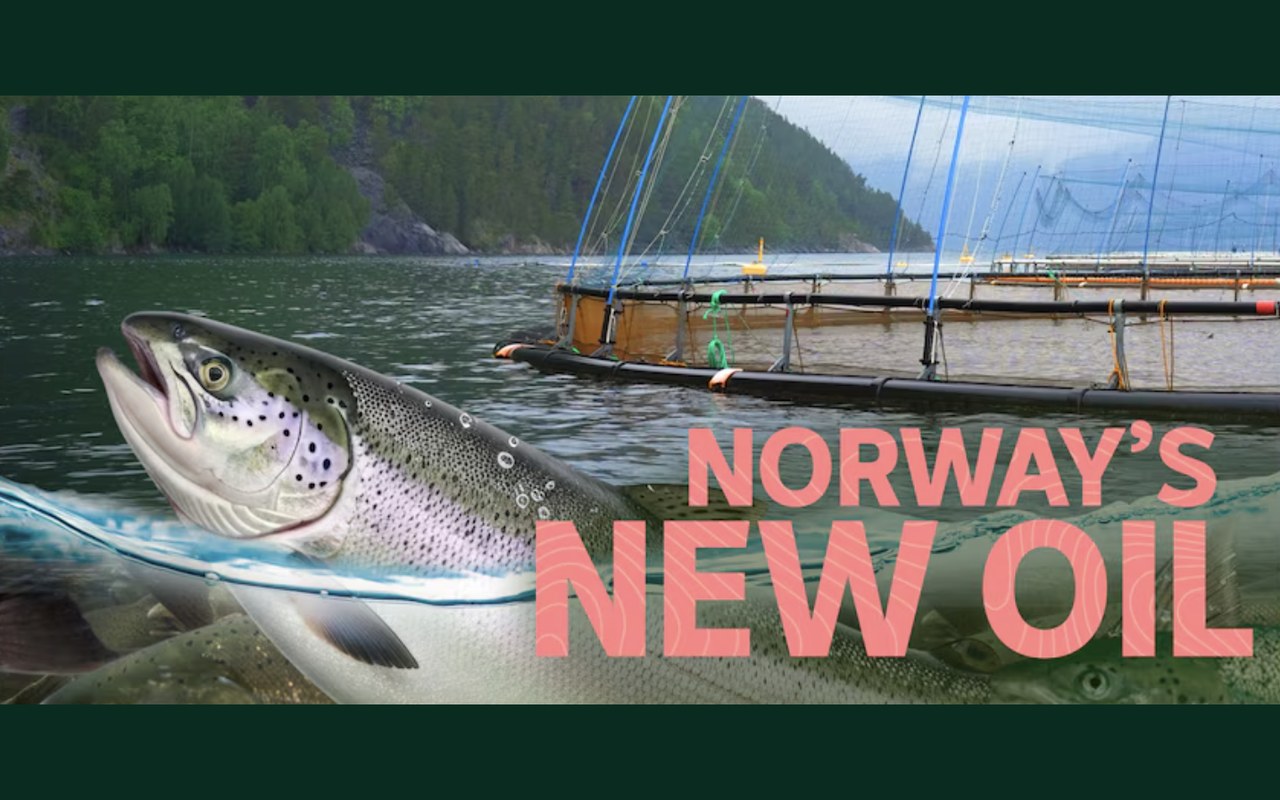
The new Norwegian oil. How Norway sold salmon to the whole world

Salmon in front of fish farming cages in a Norwegian fjord

Summary

  • Norway, the world's leading salmon producer
  • Open-water cages that pollute the fjords
  • Parasites, disease and health conditions at the heart of the criticism
  • Fishermen fear hybridisation with wild populations
Read the article

Que Choisir

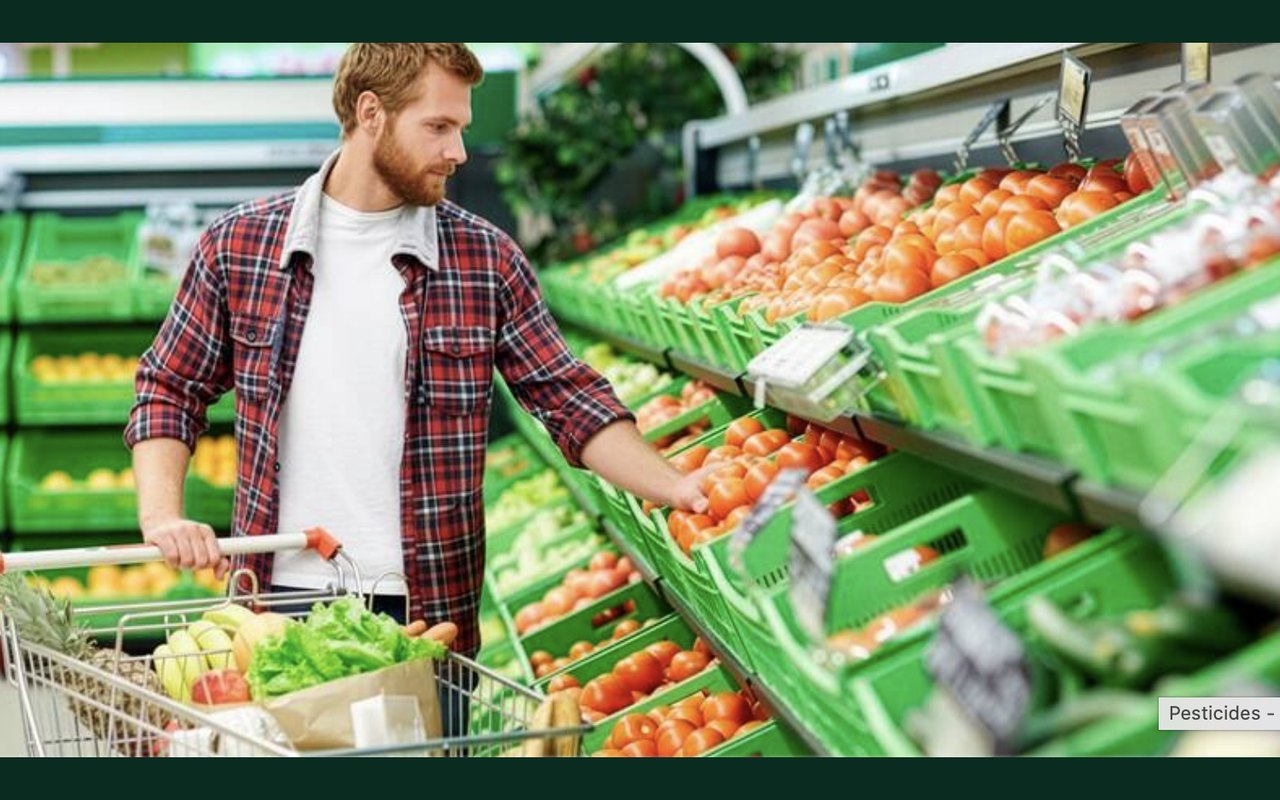
Pesticides, contamination on the rise

Customer in front of the fruit and vegetable aisle of a supermarket

Summary

  • Exclusive analysis of tests on 15,000 food products
  • Contamination up 44% on French foods
  • Up 27% on imported foods between 2023 and 2024
  • Official tests on conventional products from 2019 to 2024
Read the article

Commission européenne

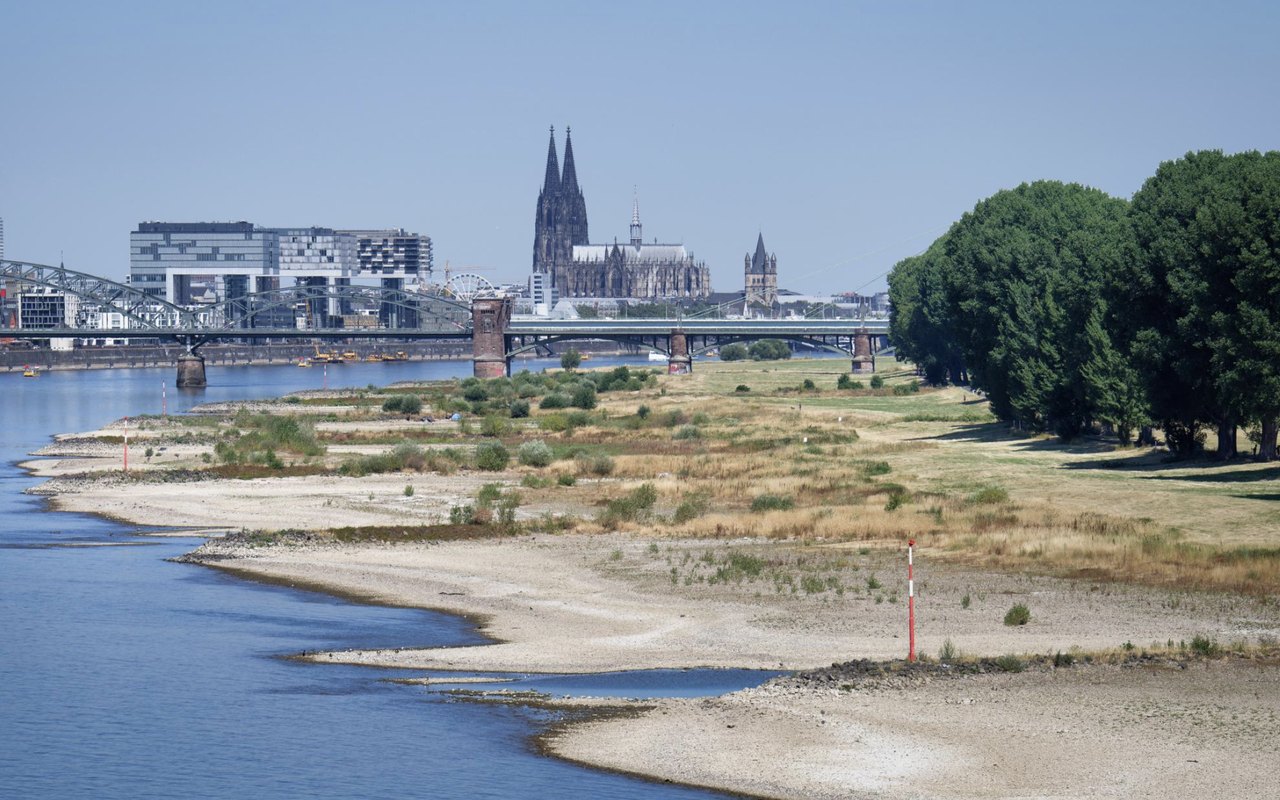
Worsening drought and record heat in Europe, exceptional wildfires and river flows at their lowest

The Rhine at Cologne, dried-up riverbed with exposed sandbanks

Summary

  • 50% of EU and United Kingdom territory in drought
  • 9% of European territory at alert level in July
  • European river flows at extremely low levels
  • Harvest forecasts revised down by 6 to 7%
Read the article

Ouest-France

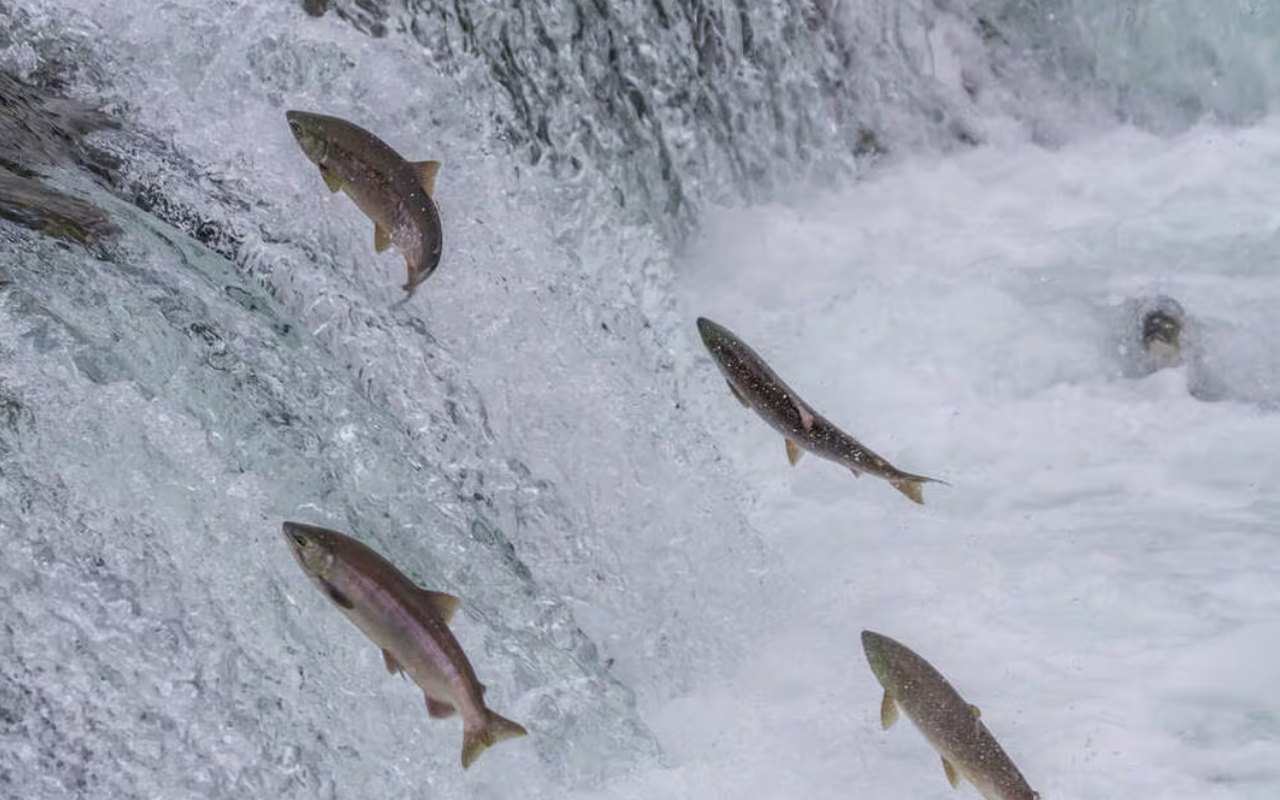
Drugged salmon, faster and more restless. How cocaine present in water threatens biodiversity

Wild salmon leaping up a waterfall

Summary

  • Cocaine and drug residues found in rivers
  • Exposed salmon travel nearly twice the distance
  • A wild fish caught, then eaten, contaminated in its own environment
  • Researchers speak of a major risk to biodiversity
Read the article

France 3 Régions

How the historic drought is jeopardising the harvests of autumn and winter vegetables

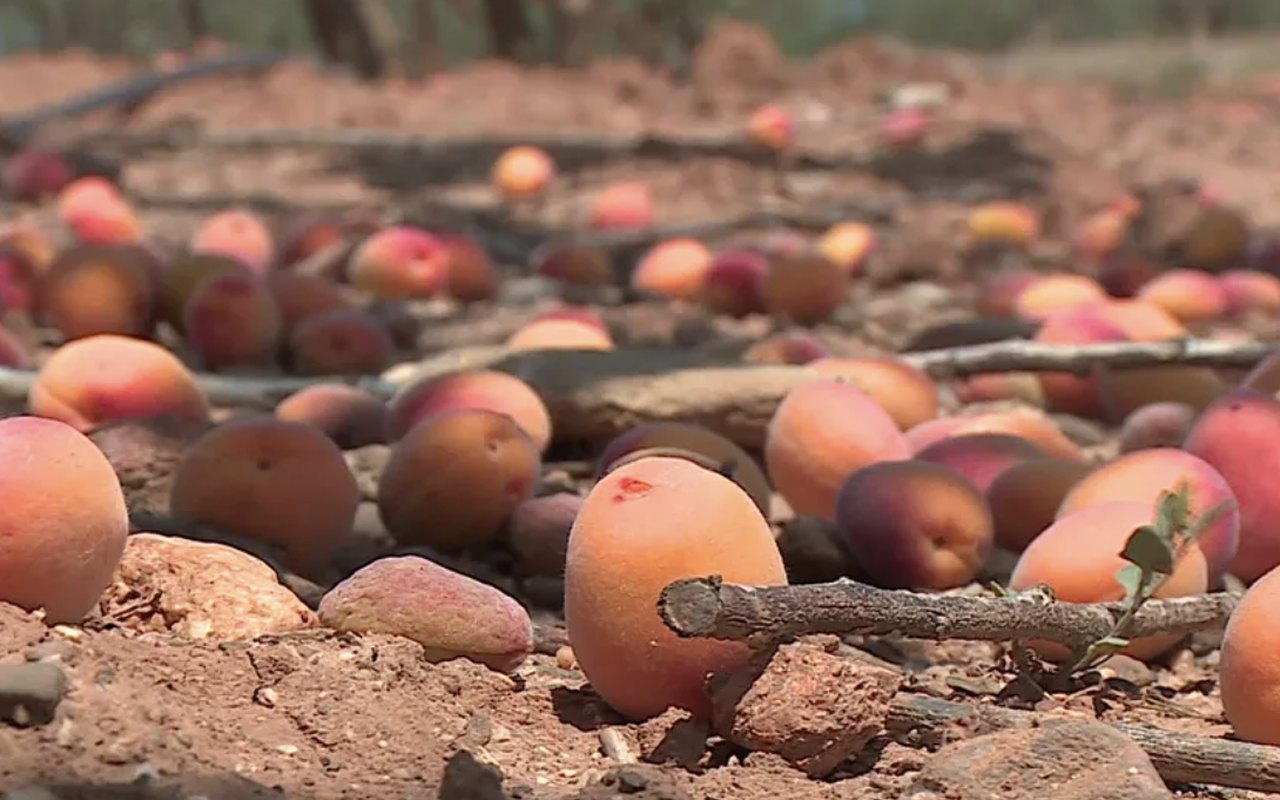
Fallen fruit wasted on the ground in a parched orchard

Summary

  • Nearly a month without rain in some regions
  • Up to 50% of winter production already lost
  • Seeds are not germinating, plants are not surviving
  • Empty shelves, difficult adjustment for shops
Read the article

The round currently open

Our fundraising round is still open, and it is still possible to take part.
Don't miss this unique opportunity!

Already committed0 of €550,000

Amount raised or pledged by business angels.

0 %
€15,000 / €5,000Minimum investment (depending on the farming or the property company)
End of 2026Target closing
1st half of 2027Start of construction on the farm
Take part in the final stage of the round

Two ways to invest in the company

We offer two ways to take a stake, depending on each investor's profile.
You can fund the farming activity, the agricultural property, or both at once.

Farming activity

SAS Aquaponeasy

Purpose
The company in charge of producing, processing and selling the farm products. It will also receive any franchise royalties should the model be rolled out.
Minimum investment
15 000 €
Type of security
Shares in the operating company
Profile
Strong growth, direct exposure to operating performance and to future growth drivers
What it means
You are funding the production facility and the ramp-up of the business. The right vehicle if you believe in the model and in replicating it.
Agricultural property

SAS Aquaponeasy Immobilier

Purpose
Owns the land at the site, leased to the farming company
Minimum investment
5 000 €
Type of security
Shares in the property company
Profile
Farm asset backed by a lease, more measured exposure
What it means
You own the land, leased to the company that runs the farm. A real asset, today a bare field, which will be levelled, serviced and developed, and whose value does not depend on a single year's results.
I want to invest in the company

Our sponsorship programme

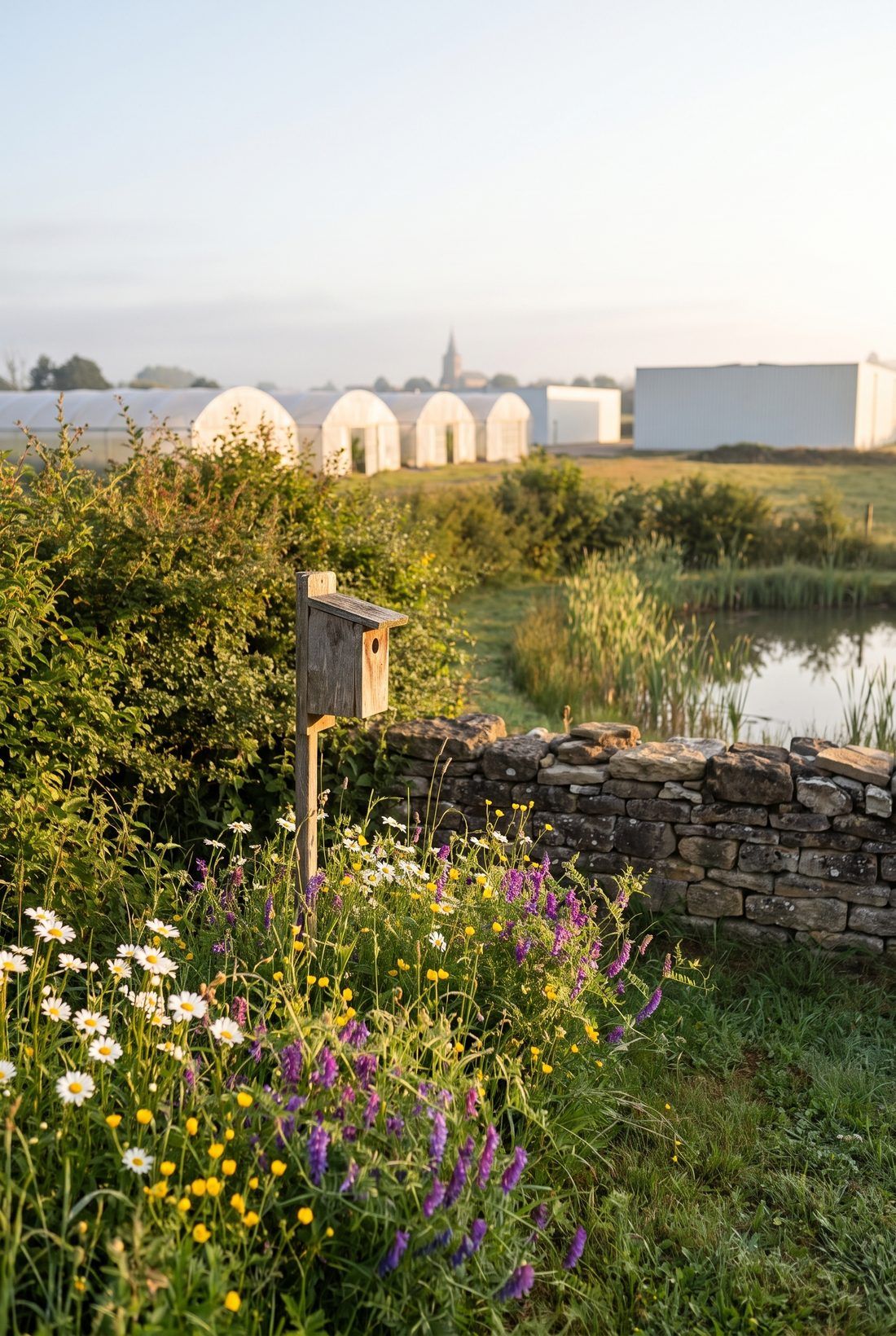
Hedgerow, wildflower strip, nest box and dry-stone wall in front of a pond, with the farm greenhouses in the background

Aquaponeasy is a company committed by nature, to farming that is sustainable and respectful of biodiversity. If you believe in our model and in our values, you can sponsor us.

Our farming uses little water, is carried out without any chemical treatment, and our production will offer an alternative to imported food, at comparable prices and without the carbon cost of shipping it in.

Our commitment does not stop at aquaponics. From the design stage, we wanted the site to host local biodiversity, with hedges, flower strips, a pond, nest boxes and a dry stone wall for reptiles. Vermicomposting will recycle our organic waste and close this virtuous circle.

Finally, we want this farm to be a place of discovery, with the training of young professionals, visits open to the public and a research and development greenhouse.

On all these topics, you can support us. If you would like to sponsor some of our installations, get in touch.

Associate your company with Aquaponeasy

Become a partner

You can fund a facility or part of the farm. In return, we communicate alongside you about your commitment.

A company can sponsor some of our installations, equipment, an area dedicated to biodiversity, a vermicomposting system or production equipment.

We then put your name forward, directly on this site and on the ground. A list of the sponsors who will have helped advance sustainable farming through aquaponics will therefore be visible to all.

Events with your teams can also be arranged, farm visits as well as catering on site, to raise your employees' awareness of your sustainable development work. Other options can be devised together.

Sponsorship is an ordinary service contract, concluded company to company, with visibility as the consideration. Its accounting and tax treatment depends on your situation.

Our sponsorship ethics

Our framework

Our aim is not to sell a clear conscience, we select the partners we wish to work with.

Sponsorship cannot serve to offset a polluting or environmentally destructive activity, and we will refuse any agreement pursuing that intention.

We therefore remain free to decline a partnership that would contradict what we stand for. A company name associated with Aquaponeasy commits our reputation as much as its own, and this requirement applies to those we accept as much as to those we turn down.

Replicating our model

Our project in Vic-sur-Seille is that of a pilot farm.
This farm is intended to refine our knowledge of the market, our production and our brand.
The model can then be replicated through several complementary routes:

Priority

Our own farms

Our priority is to build our own network of farms, which we finance, which we operate and whose land, buildings and equipment we own. This is the route we favour: it creates the most value for the company and gives it a solid base.

We want to set these farms up close to one another, to share resources and generate real economies of scale. Each one reuses the design, the processes and the suppliers proven on the first site.

Strong interest

Franchising

We will be able to offer a tailored franchise model, sized to the site and to the franchisee's profile, whether that is a farmer looking to diversify with a smaller unit or a specialist investor. The franchisee gets the usual benefits of a franchise (brand, processes, training) and sources equipment and consumables from us.

Franchises will only be opened in areas where our own farms have already proven the model and the market. It is the fastest-moving route, the one that allows much quicker growth than the wholly owned network.

Case by case

Partnerships

Here, everything is tailor-made. We are open to different structures depending on the situation.

An investor can, for example, finance the land and the buildings, and we will operate the farm, bringing our production expertise to it. A distributor can also commit to a lasting partnership, and we will set up a farm nearby, sized to its needs.

These arrangements speed up the roll-out without tying up too much of our own equity.

NoteRight now, we are fully focused on developing our first farm. That farm is what will validate the yields, the processes and the costs of our model, and that is where everything will be decided. We do believe, though, that aquaponics has exceptional potential, and we already want to start building a vision for the future of Aquaponeasy.

There are investments, and there are the ones you tell everyone about.

Our project is a matter of common sense, and history will prove us right. We now need to feed people with healthier, more local products that genuinely taste good and come from sustainable farming models. Aquaponics is arguably one of the most complete.

The best businesses are often the most obvious ones. No one will ever replace a good tomato or a fillet of pike-perch, and no technology makes a basic need obsolete. A product that meets consumer expectations at a sensible price is a product that sells. There is a real gap today, and we are filling it.

The timing is ideal, and the news confirms it a little more every day.

By investing in our project, your money will not be just a line in a spreadsheet. It will bring a farm out of the ground, and probably several, which you will be able to visit, whose products you will be able to taste and whose teams you will be able to meet.

We are working to grow the future.
You can fund the one you want to leave your children.

Ulysse Hay's signature
Ulysse Hay, founder of Aquaponeasy

Ulysse Hay, founder of Aquaponeasy

Set up a video call with me

Frequently asked questions

The farm will be profitable from the second year of production and will reach its full running rate in the third. Adding the four to six months of construction, that means roughly twenty-four months to reach profitability.

Our immediate objective is to make the first farm a success. Once the concept is proven, around 2030, the order of magnitude we aim for is about three times the amount invested. We will then move on to a Series A, and probably a Series B, to roll out the network. By 2033, with around fifteen farms built, the order of magnitude we aim for rises to around twenty times the amount invested. We are looking above all for investors who take a position on that horizon, or beyond, because that is where the opportunity is most interesting. Farming is a long-term investment, less explosive than a start-up, but the multiple relative to the time frame remains very attractive. These are objectives based on our development assumptions, not guarantees.

The property company buys the land and the buildings, then leases them to the operating company. This structure means we own the site rather than rent it, and it separates two activities that have neither the same rhythm nor the same risk profile. The operating company carries production, processing and sales: its value follows operational performance. The property company holds a tangible asset backed by a lease, with more predictable flows. You can invest in one, in the other, or in both.

There is no shareholders' agreement yet. It will be drawn up with the investors who take a position in this round, so that it reflects what each of them asks for on governance, exit clauses and the terms for taking a stake.

Ulysse Hay is the founder and president of the company, and also acts as its chief executive. As majority shareholder, he leads operations, which allows fast, clear decisions at this stage of the project. Two bodies support him: a strategic committee on business direction and growth, and a technical committee on aquaponics and production. Major decisions are put to the shareholders at general meetings, whether ordinary or extraordinary. We are keen for every shareholder to take part in the project, at whatever frequency suits them, from once or twice a year to a much closer involvement.

Yes, and it is one of the arrangements we favour. Someone who is both an employee and a shareholder is more involved in the project and more invested in its success. The positions open today are mainly agricultural, in fish production and market gardening. If your background is different, joining the field team remains possible in the medium or long term, for example to take charge of a new farm or a new market. The profiles we are looking for are described on the Team page.

Yes. We have already received support under France 2030, France's national investment programme, and an application is under way to the EAFRD, the EU rural development fund, via FranceAgriMer, the French agricultural and seafood products agency. The project also has strong political backing, from the local council, which has invested a great deal to make it possible, up to the regional authority, the local member of parliament and the Ministry of Agriculture. Further public funding therefore remains within reach. The schemes involved, their amounts and their timing are detailed in the investment pack.

Not yet, because the farm does not exist to date. The site at Vic-sur-Seille is currently disused farmland. We can, however, send you the 3D views of the project and present it in detail during a conversation with the founders.

The founders have been carrying this project for several years and are committed to it financially as well as personally. A departure is therefore very unlikely. Should it happen anyway, the other members are able to continue the development, as no critical role rests on a single person.

It will not be a single farm but a batch of several sites financed at the same time, through a new Series A round. These farms will be wholly owned, which will establish recurring revenue and then allow us to finance the following ones without multiplying fundraising rounds or diluting the early shareholders excessively.

In France, investing in the share capital of an SME such as ours can qualify for an income-tax reduction under the IR-PME scheme, a French income-tax relief for investment in SMEs, subject to conditions and to a minimum holding period. Elsewhere in the world, other schemes exist depending on the country. Every tax situation is specific, so we suggest you confirm yours with your own adviser, and we will provide the documents you need.

Yes. The main founders have each invested several tens of thousands of euros and, for the youngest of them, are giving the whole start of their career to it. The commitment is financial, but also personal and public: everyone around them knows they have been carrying this project for years. It is a life project before it is an investment.

Construction starts once the threshold is reached with the business angels, with the bank financing following on. We have every reason to believe this round will succeed. The model is proving itself elsewhere in France, the project has the green guarantee from Bpifrance, the French public investment bank, strong political backing and demand that has already been demonstrated. Our priority today is above all to bring the best possible people around the table, so that their experience and their networks complement one another.

A management application will be made available to investors to follow the project's progress and its key indicators continuously, with maximum transparency. Everyone then gets involved as much as they want, from a simple six-monthly update to regular exchanges with us. The annual general meetings complete this setup.