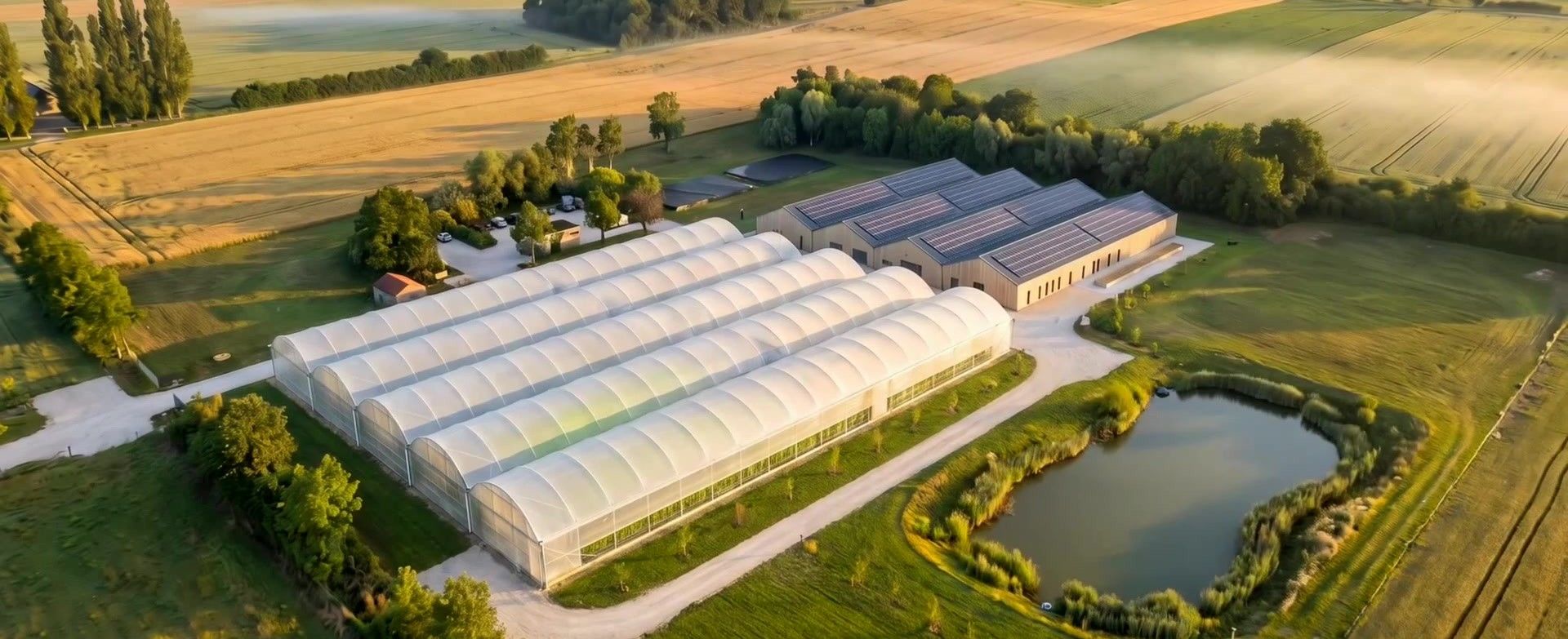
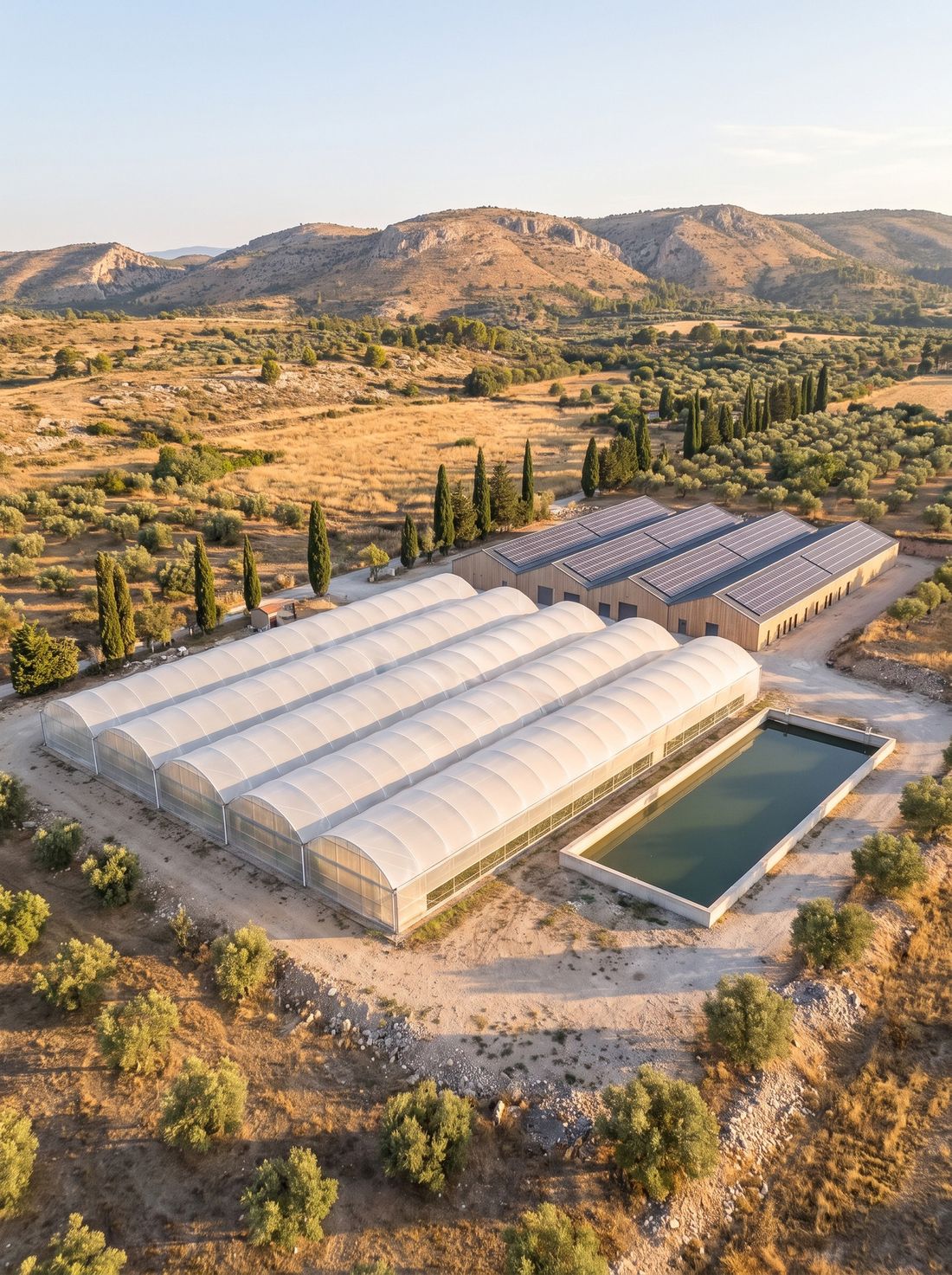
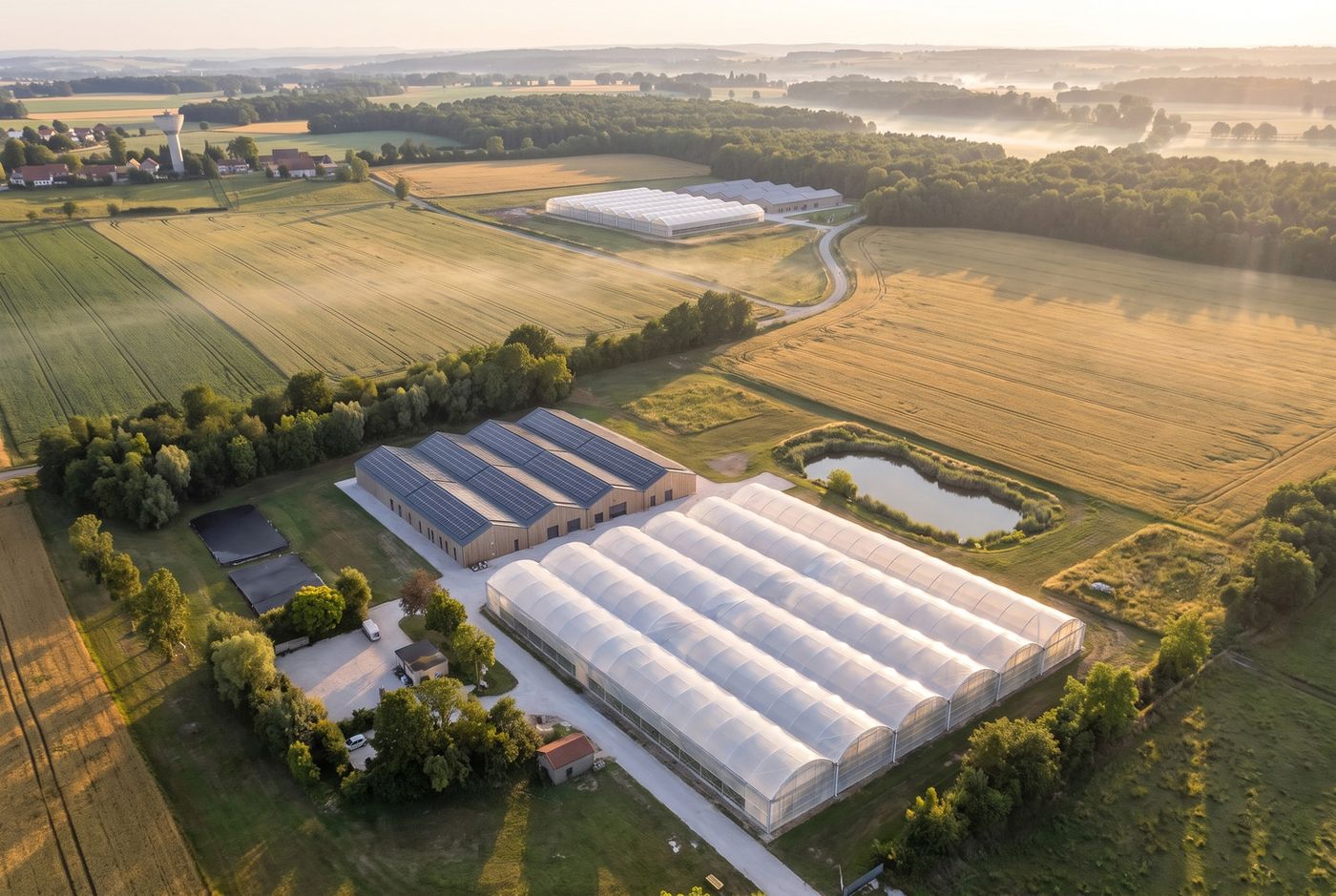
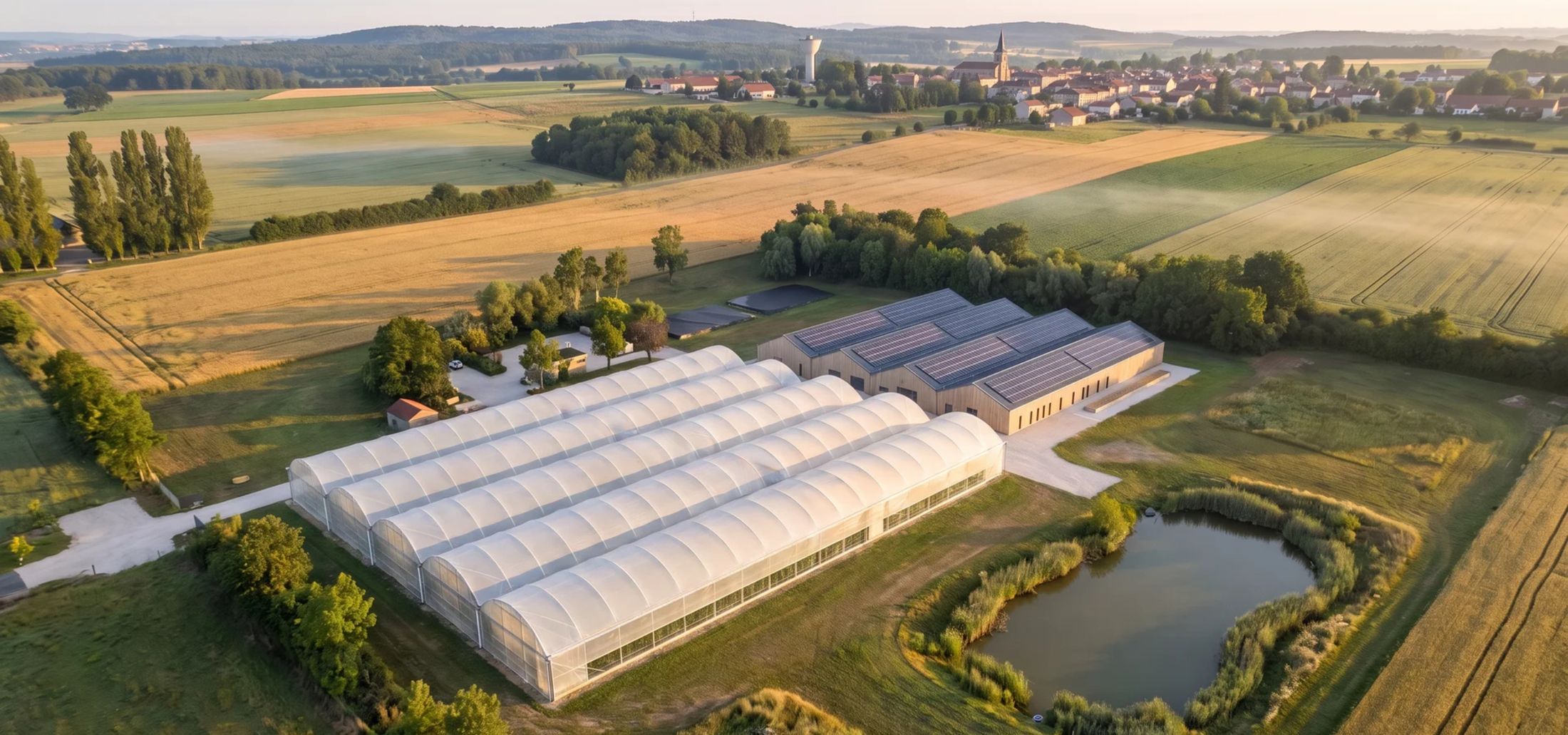
Aerial view of the Aquaponeasy aquaponic farm site in Vic-sur-Seille, Moselle

Our project: developing aquaponics on a large scale

The story of the project

It all began in 2018. Ulysse Hay, our founder, and his father took part in the takeover of an ornamental fish farm in the Northern Vosges. There they discovered aquaponics, and it was love at first sight! A first small-scale trial produced food that won over a Michelin-starred chef nearby.
The idea of creating a large-scale aquaponic farm was born.

Ulysse went to business school and used those years to refine the concept and carry out the first feasibility studies. Aquaponeasy was officially founded in 2023. The health crisis, repeated droughts and our growing dependence on imports finally convinced us that large-scale aquaponics will eventually establish itself.

In 2024, Aurélie Muller joined the adventure. A two-time world champion in the 10 km open water swim, she has built her whole career in water and finds in aquaponics a concrete way to protect this resource she cares so deeply about.

During our search for a site, in early 2025 the town of Vic-sur-Seille welcomed us and offered us a plot of land. The site is ideally located along the Nancy-Metz-Luxembourg corridor, at the heart of one of the most dynamic economic areas in Europe, in a region with a strong agricultural identity and within the Lorraine Regional Nature Park. In June the sale agreement was signed and the preliminary design studies were launched.
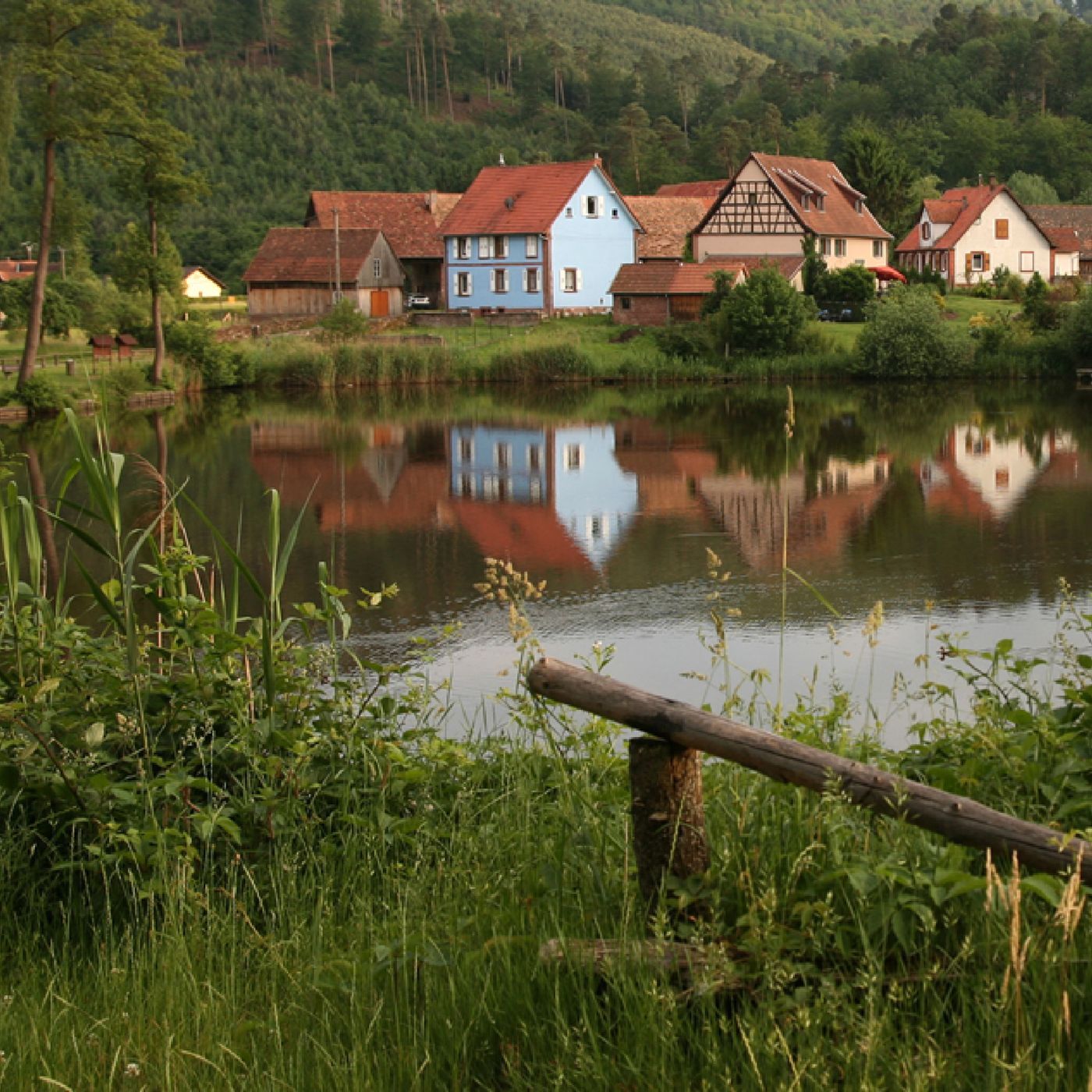
Village in Lorraine at the water's edge, on the fringe of the forest
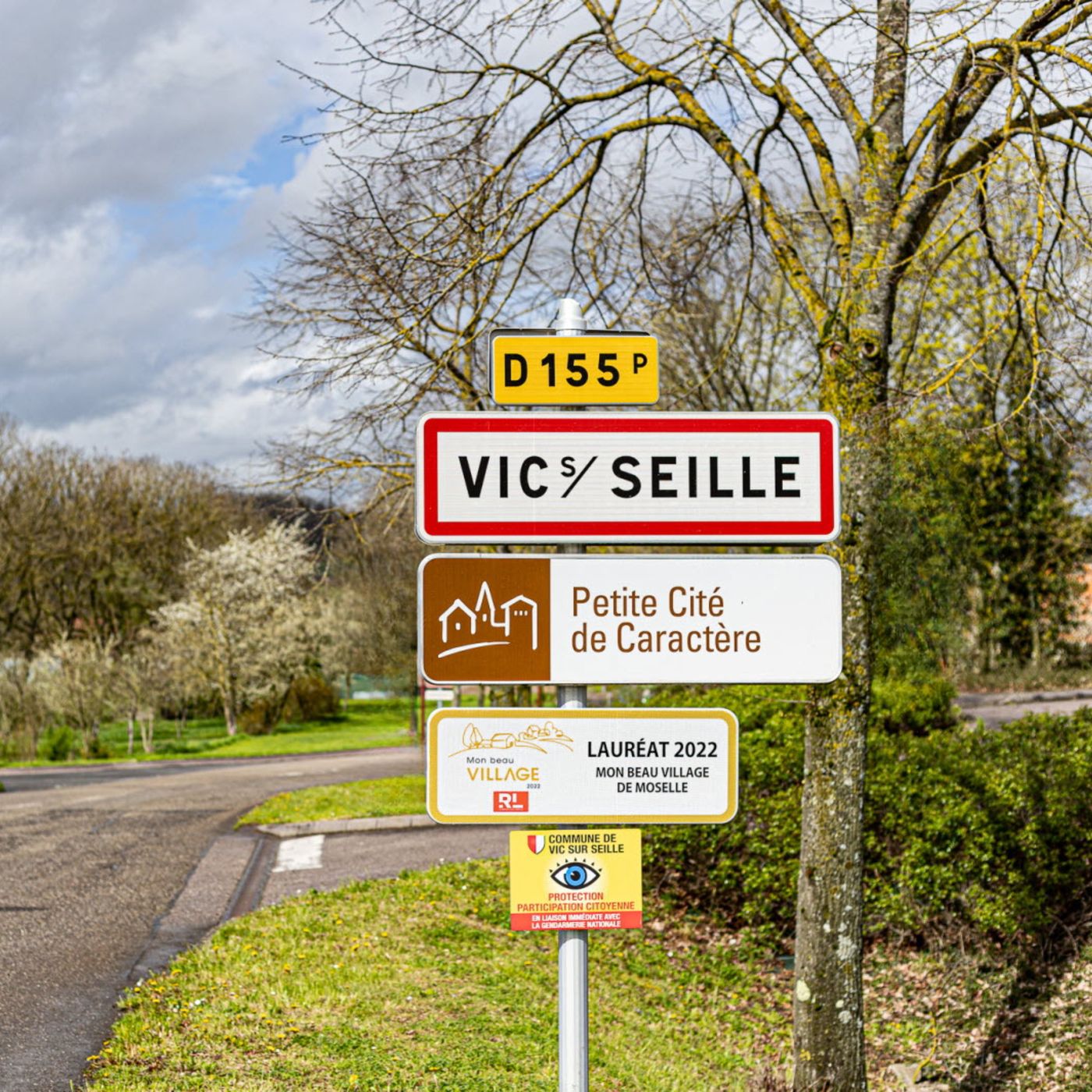
Town entrance sign for Vic-sur-Seille in Moselle
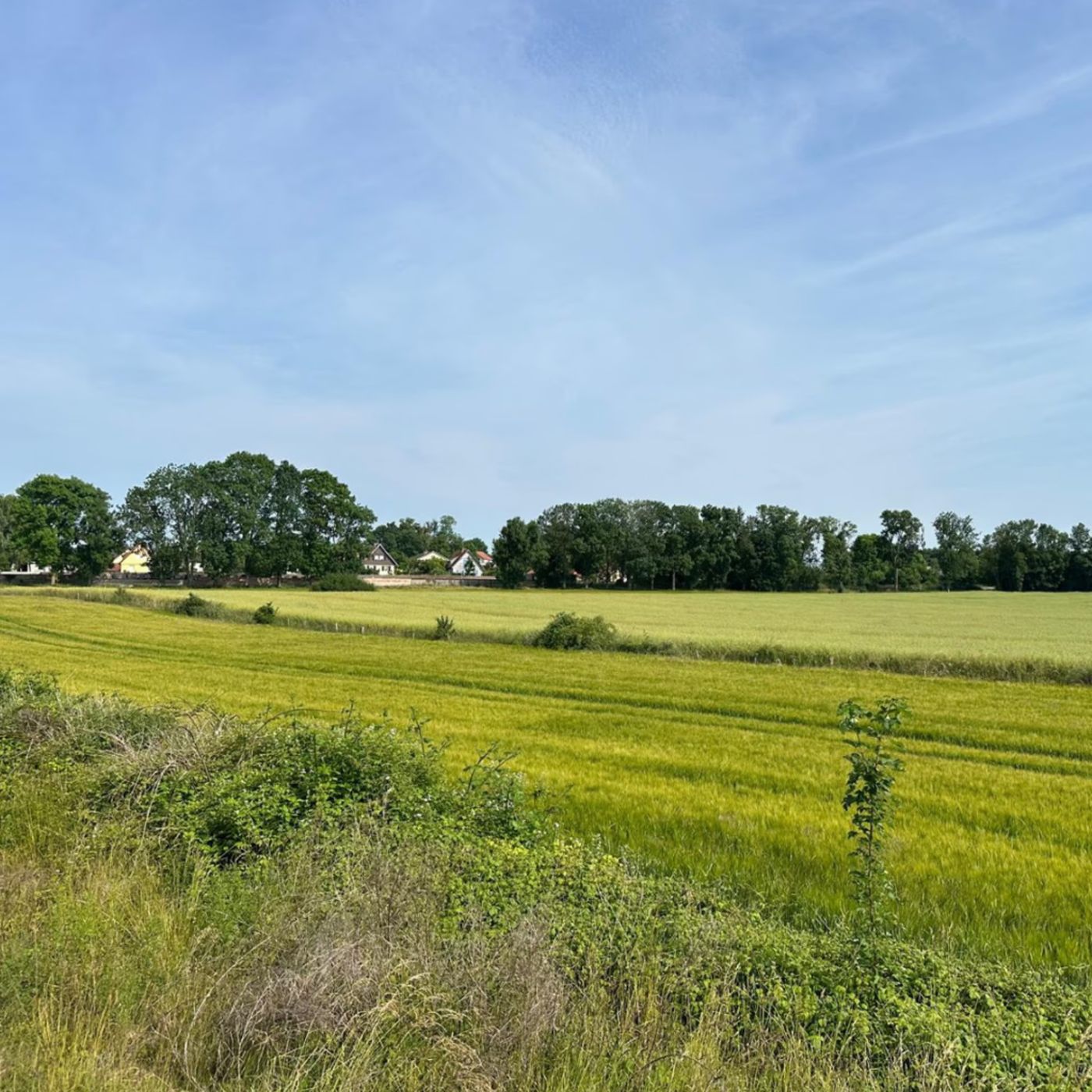
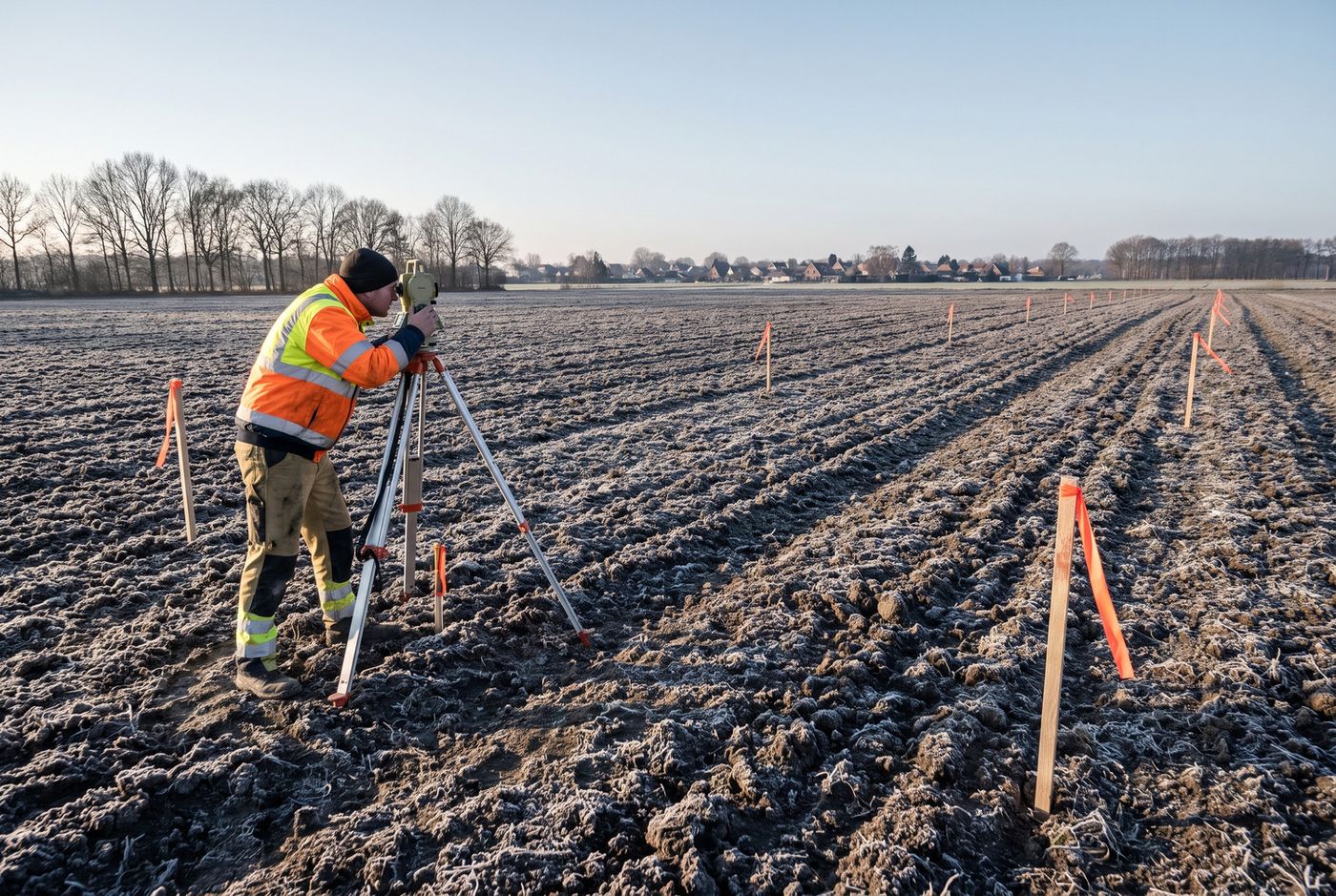
The plot of land for the future aquaponic farm in Vic-sur-Seille

From seed to plate

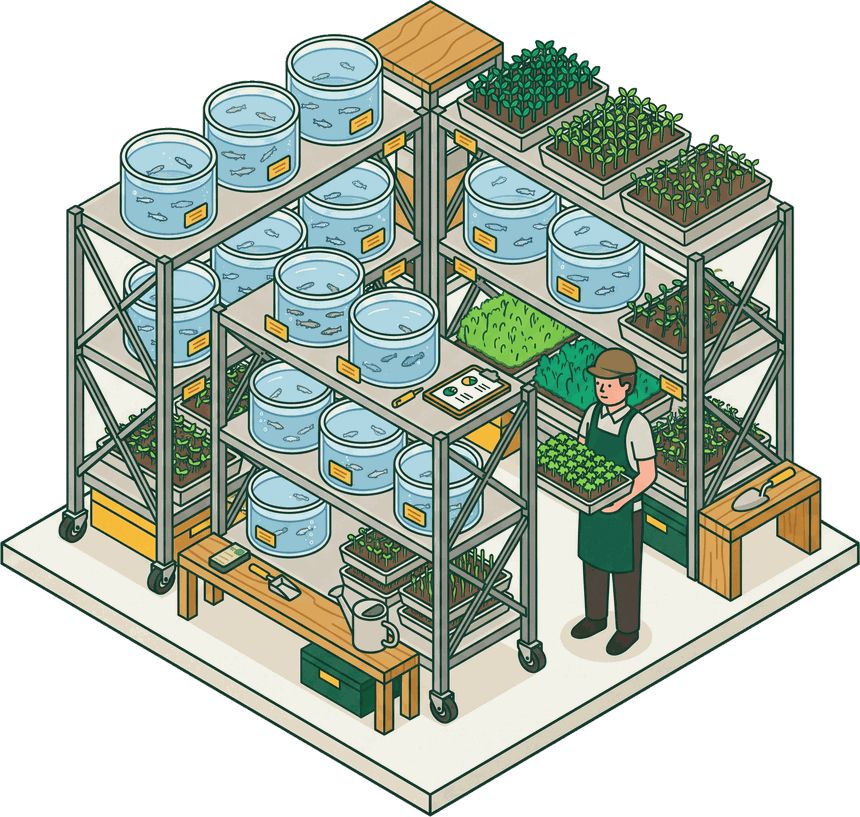
We want to build a model that is as self-sufficient and as circular as possible. That is why we are working to control the whole chain, from fry and seed through to the finished product on the plate.

Step 1, fry and seeds

1Fry and seeds

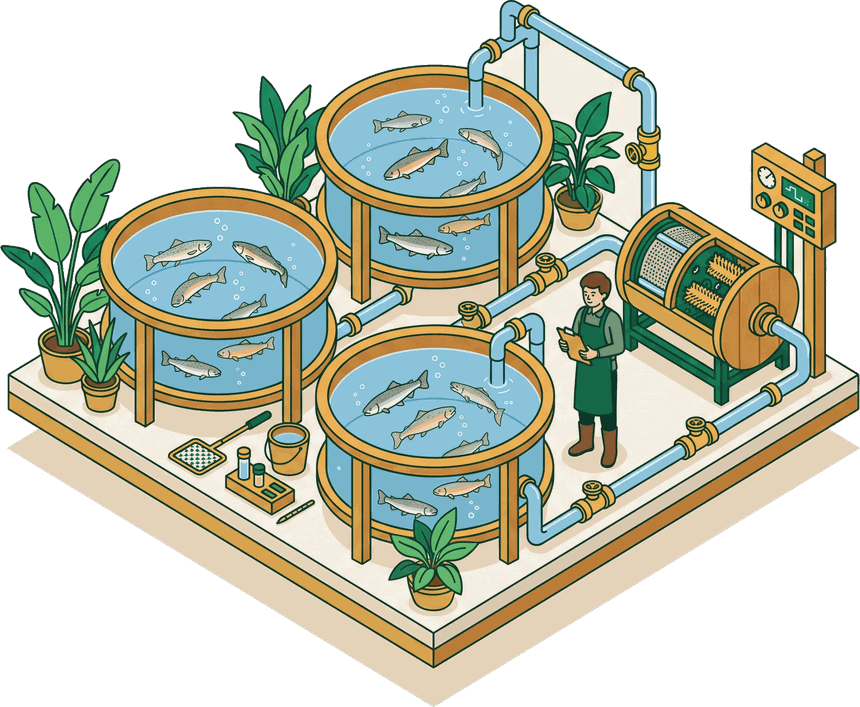
Step 2, fish rearing

2Fish rearing

Step 3, growing

3Growing

Step 4, slaughter and processing

4Slaughter and processing

Step 5, table and shop

5Table and shop

Plant a seed with us

The farm, area by area

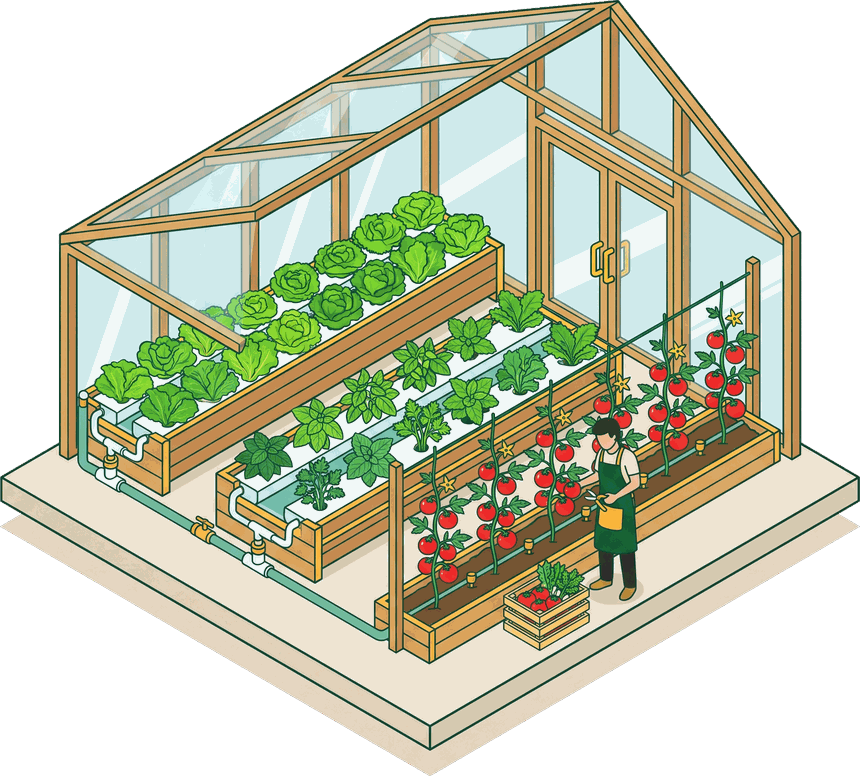
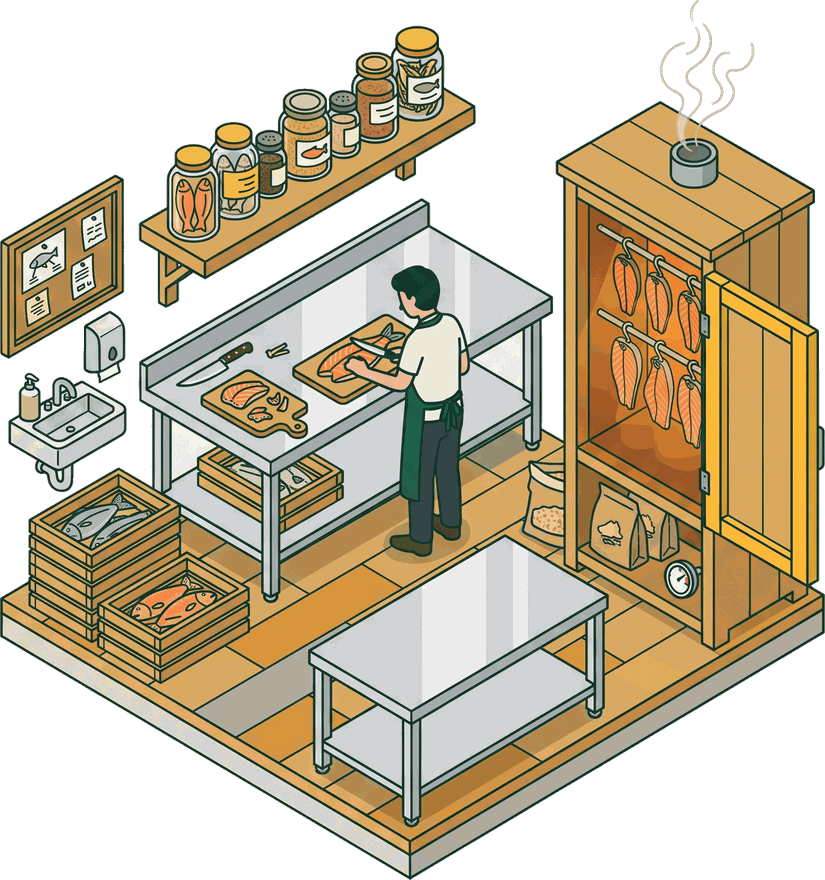
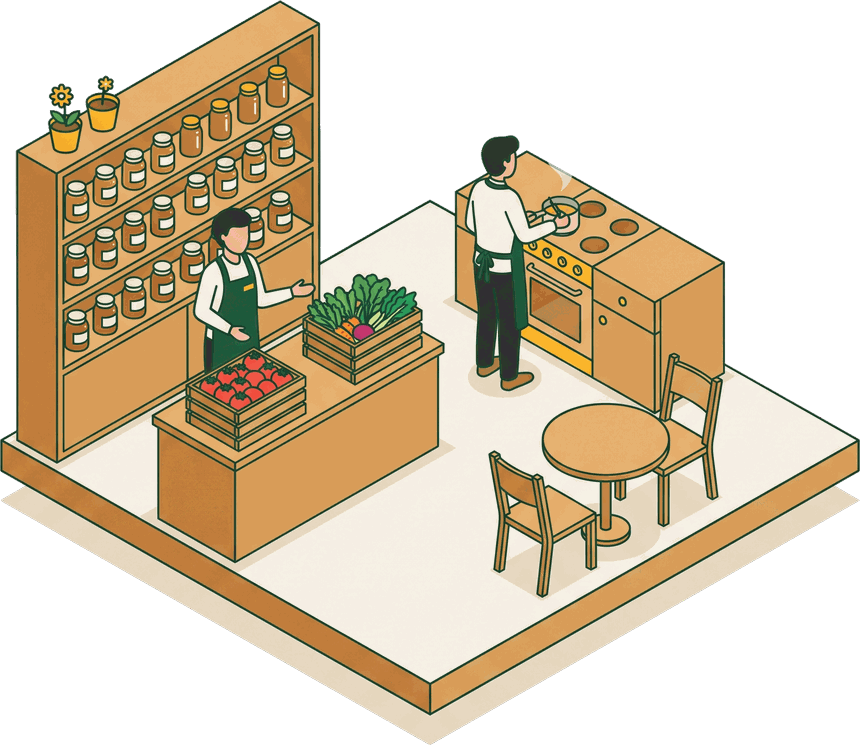
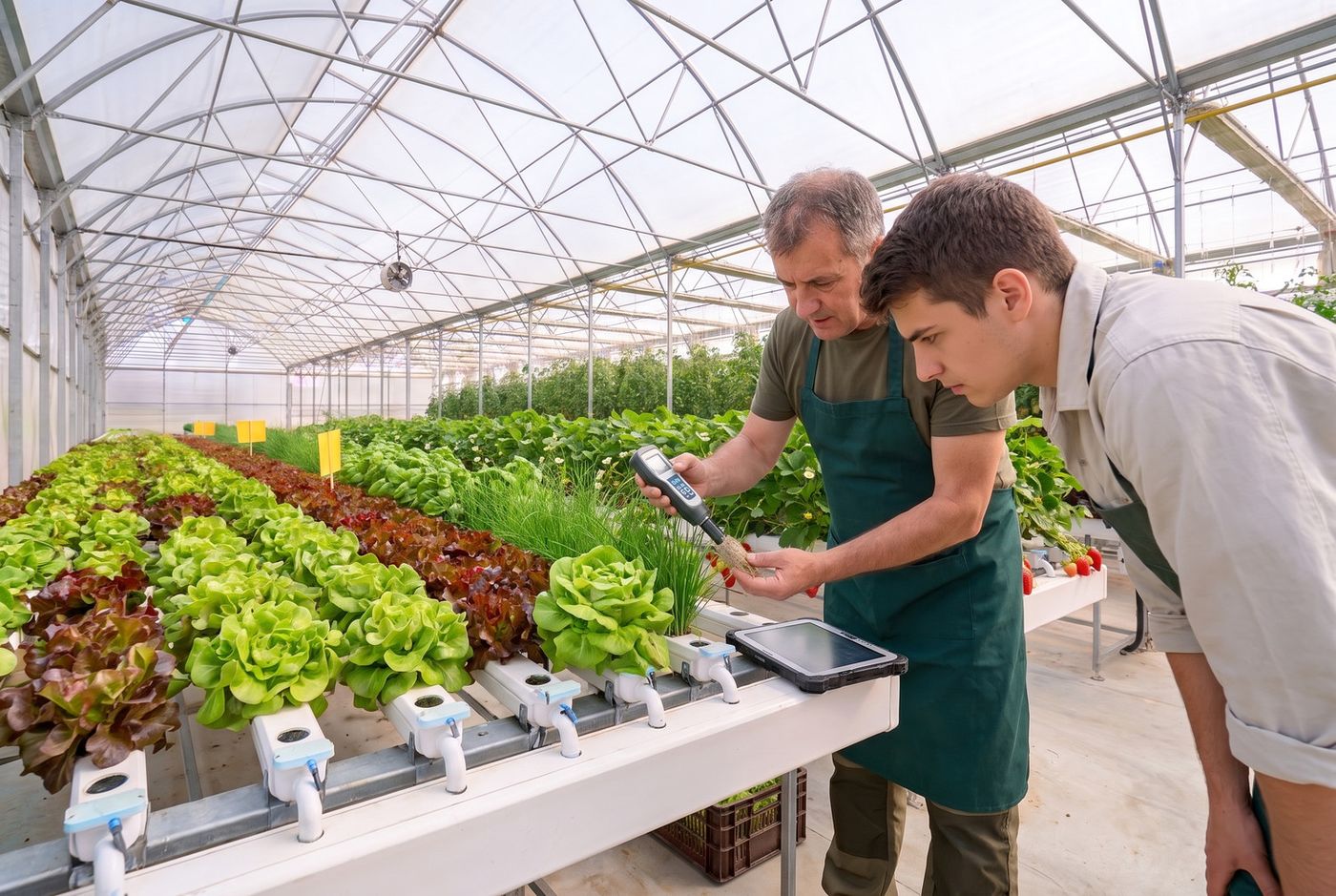
An aquaponic farm is organised into several areas: the aquaculture halls, the greenhouses, the plant rooms and the processing unit. Click on the yellow dots to see inside our farm in pictures.

+ Click the dots to explore
each area of the farm
Aerial view of the future aquaponic farm in Vic-sur-Seille

Our products

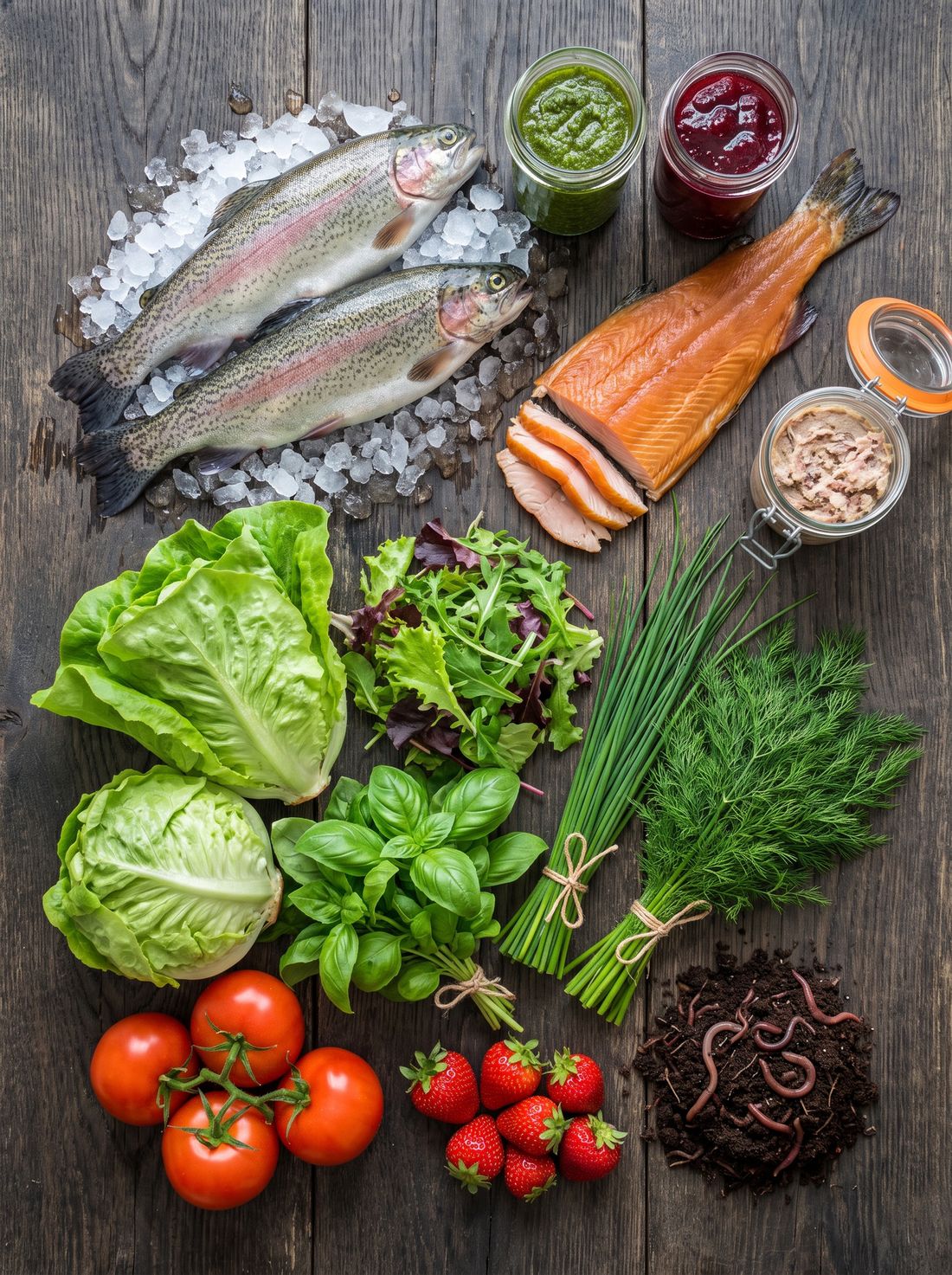
We will produce several ranges of products.
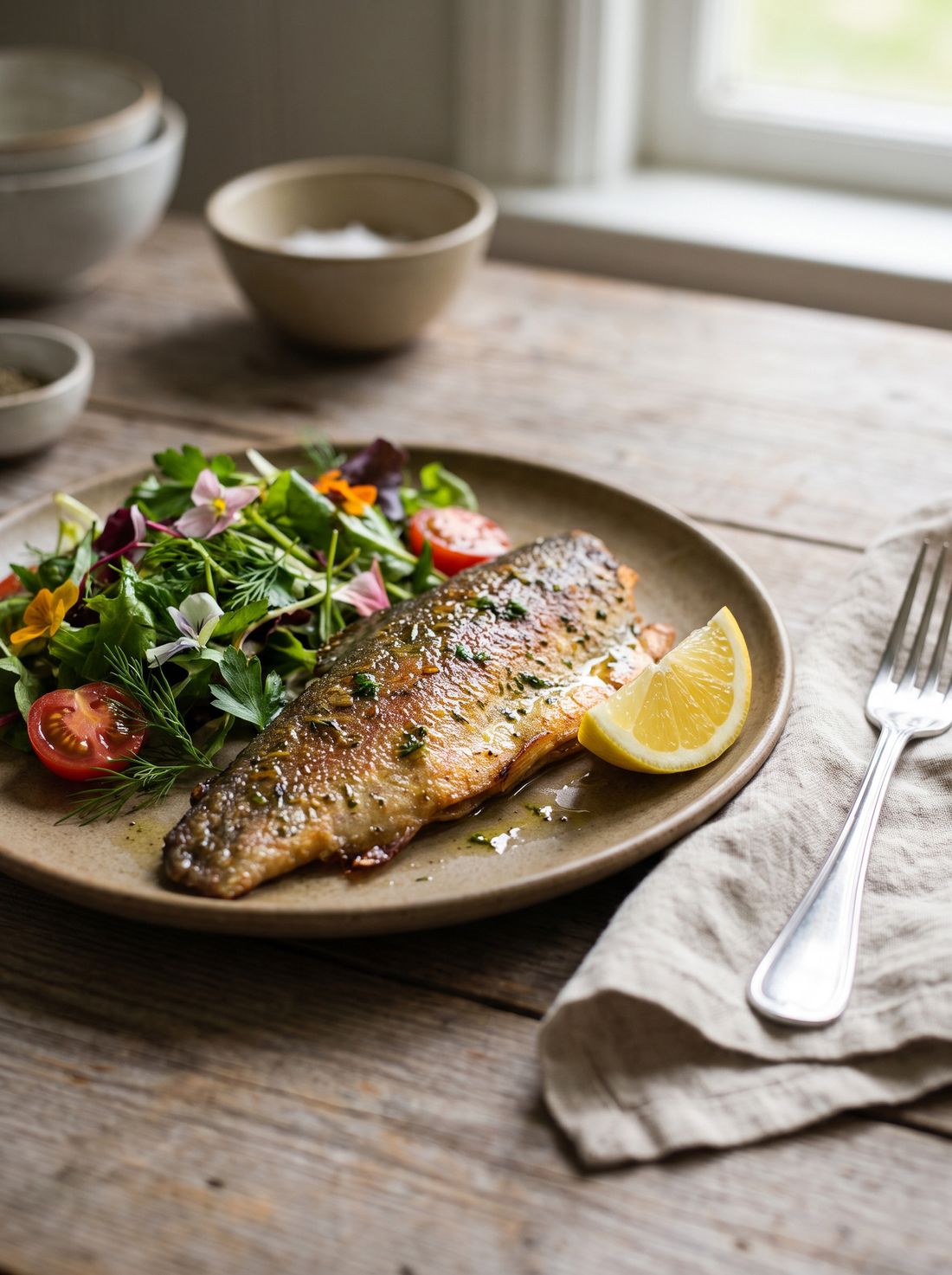
Fresh fish, whole, gutted or filleted, processed in our own facility,
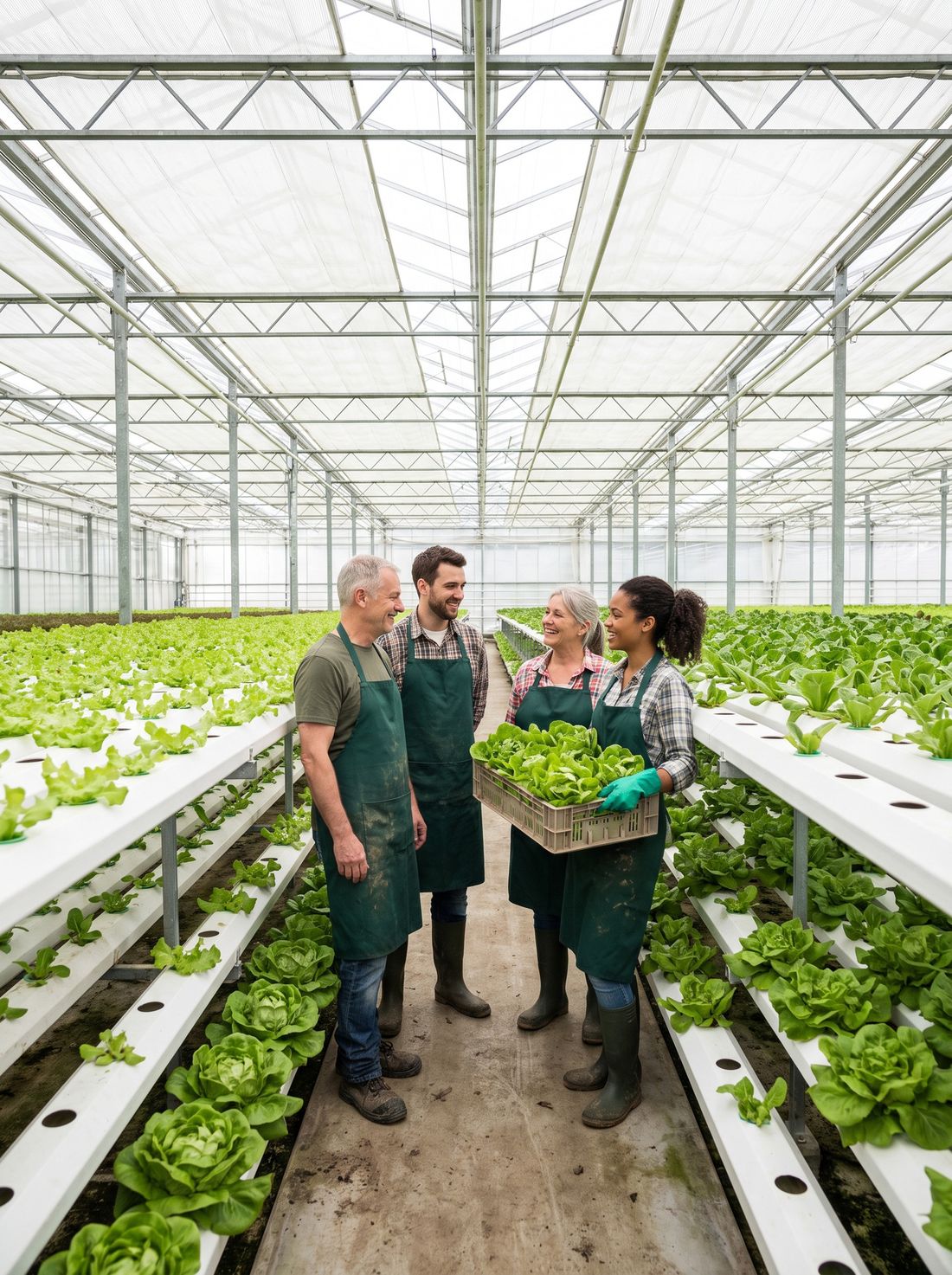
as well as fruit and vegetables, herbs, edible flowers and microgreens.

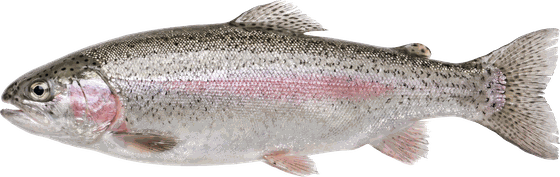
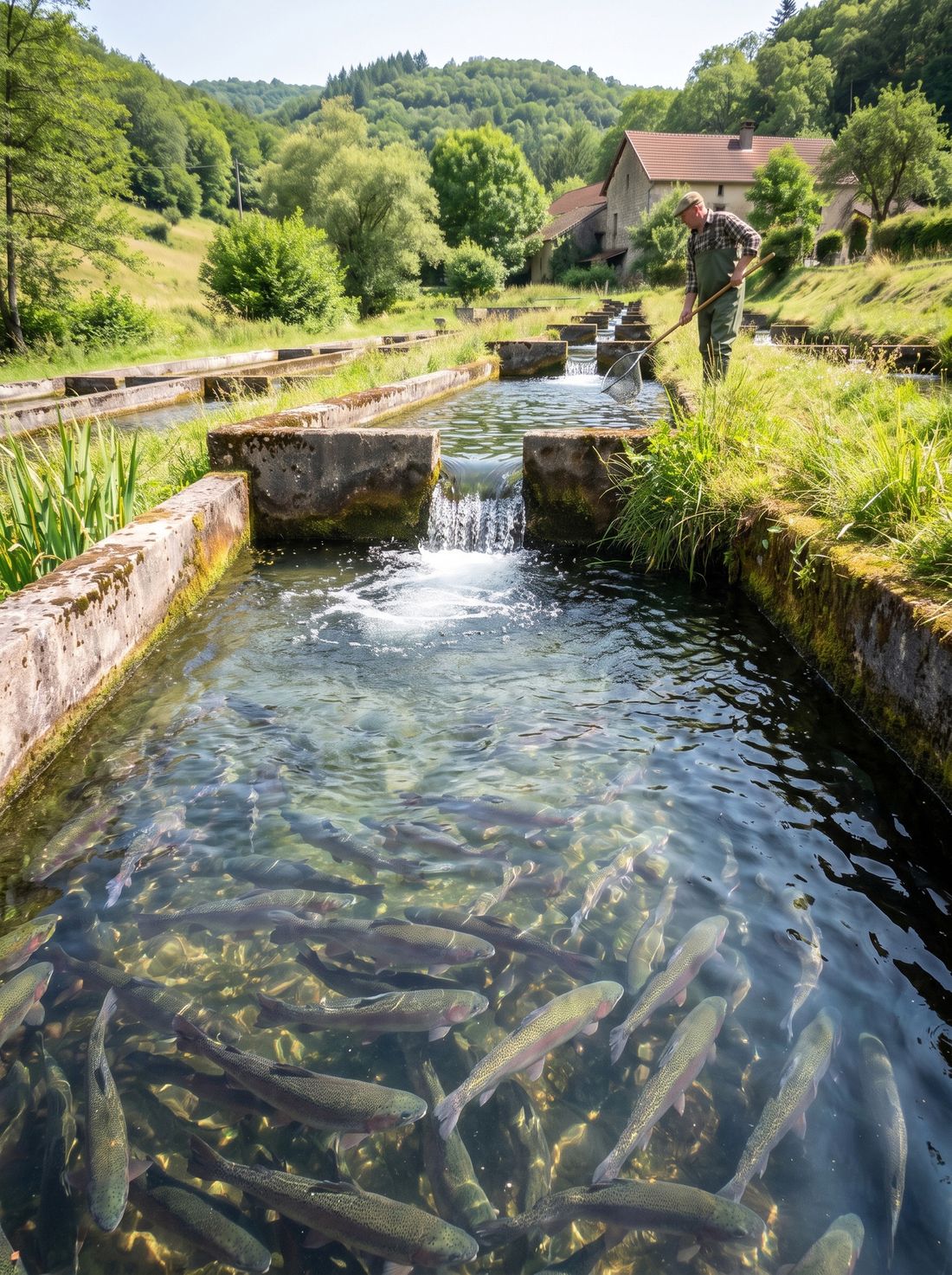
Rainbow trout reared in an aquaponic system

Rainbow trout

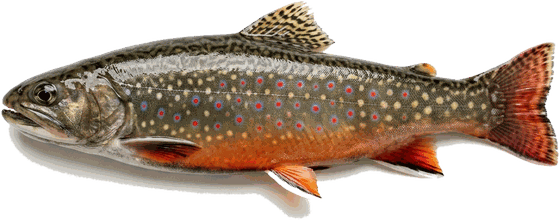
Brook trout reared in an aquaponic system

Brook trout

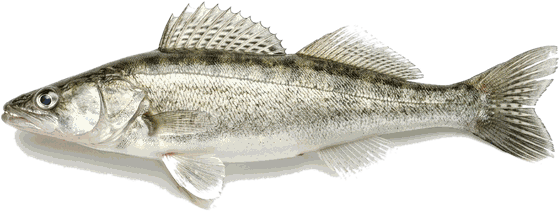
Pikeperch reared in aquaponics at the Aquaponeasy farm

Pikeperch

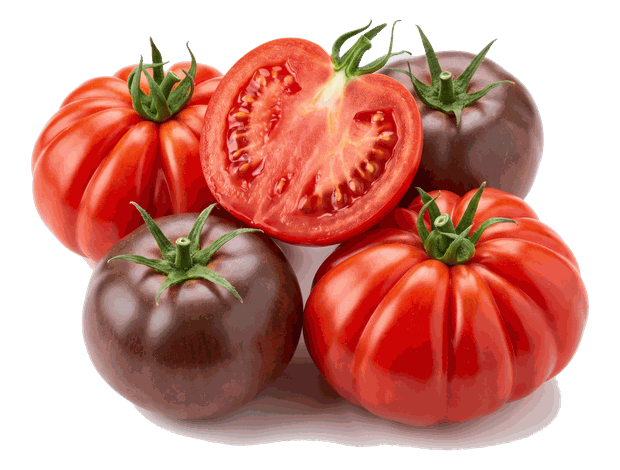
Tomatoes grown in aquaponics under glass

Heirloom tomatoes

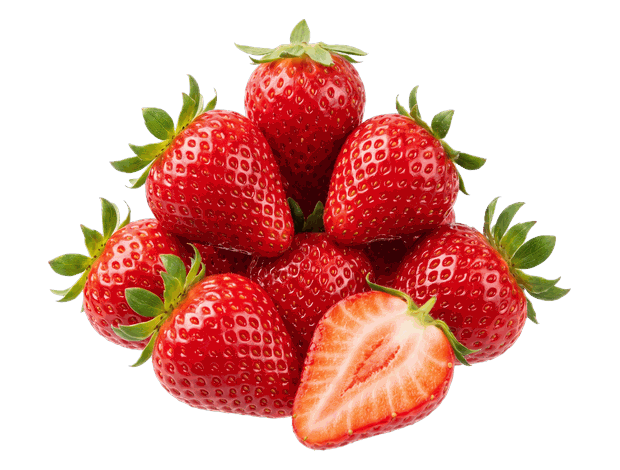
Strawberries grown in aquaponics under glass

Strawberries

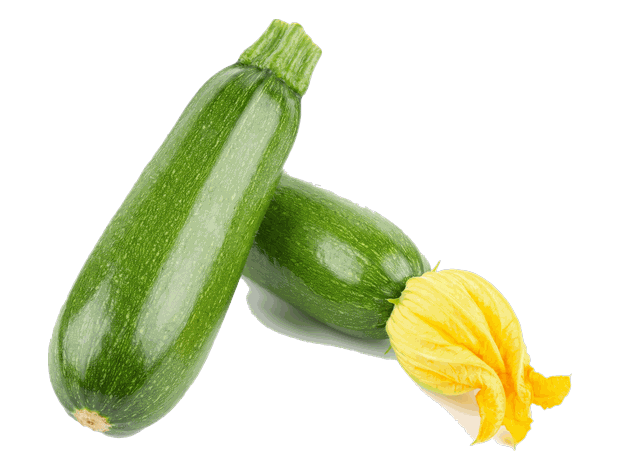
Courgettes grown in aquaponics under glass

Courgettes

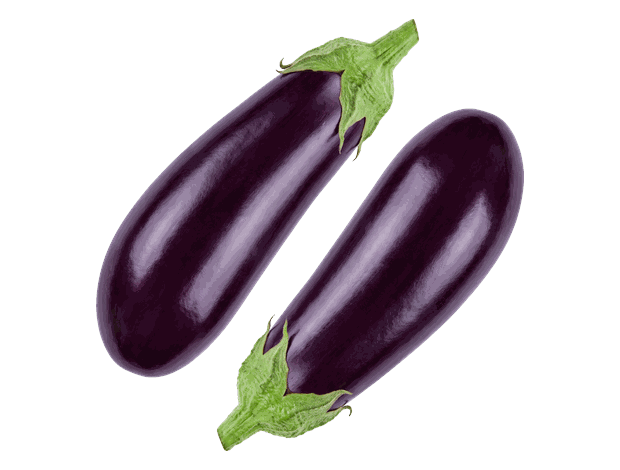
Aubergines grown in aquaponics under glass

Aubergines

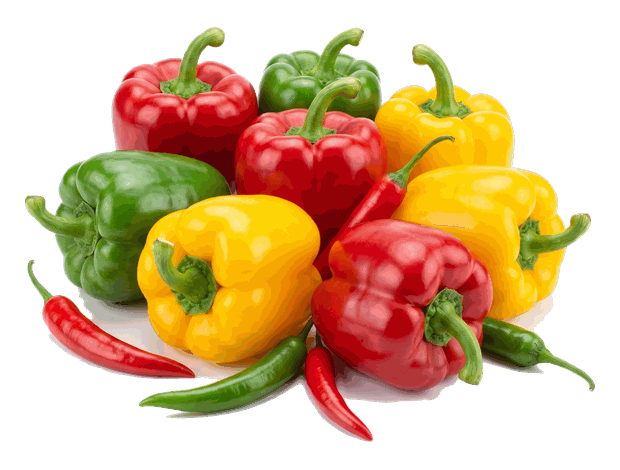
Peppers grown in aquaponics under glass

Peppers and chillies

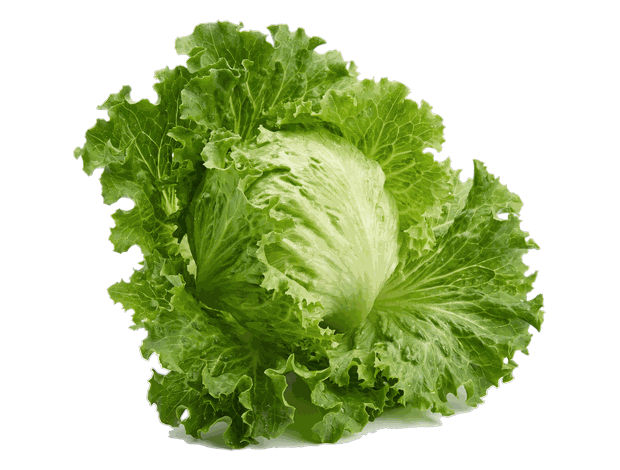
Batavia lettuce grown in an aquaponic system

Batavia lettuce

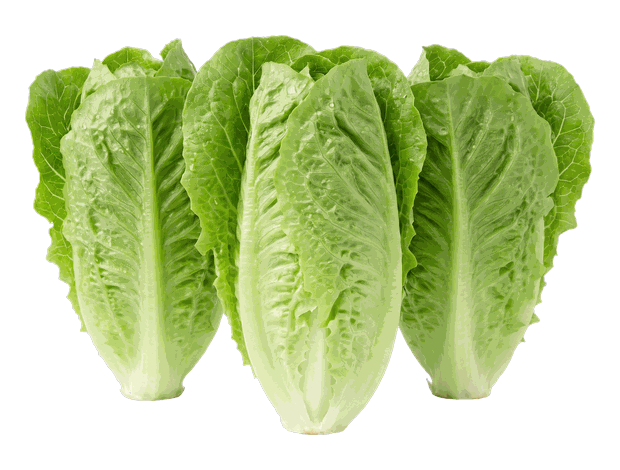
Little gem lettuce grown in an aquaponic system

Little gem lettuce

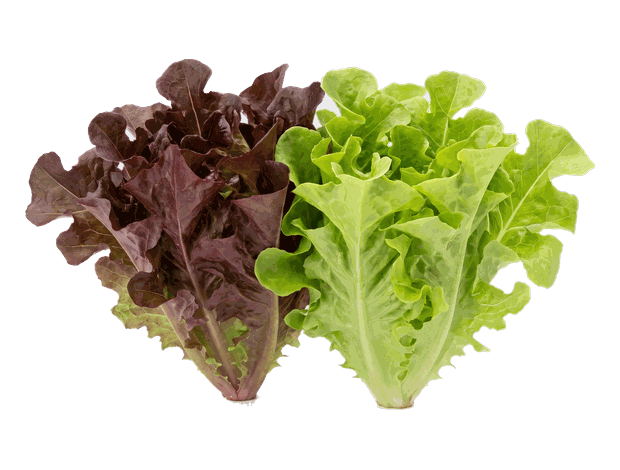
Oak leaf lettuce grown in an aquaponic system

Oak leaf lettuce

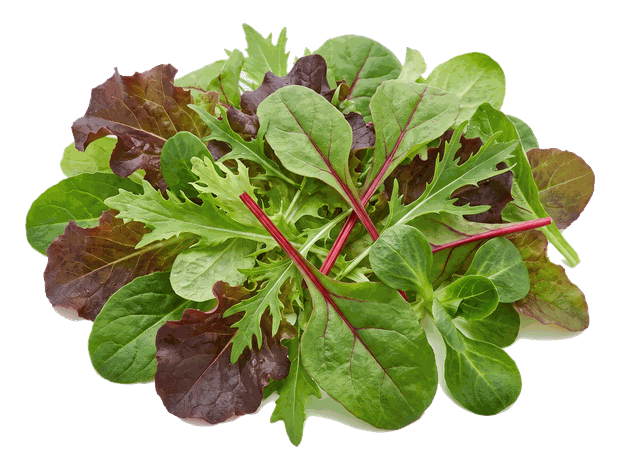
Mixed baby leaf salad grown in an aquaponic system

Mixed salad leaves

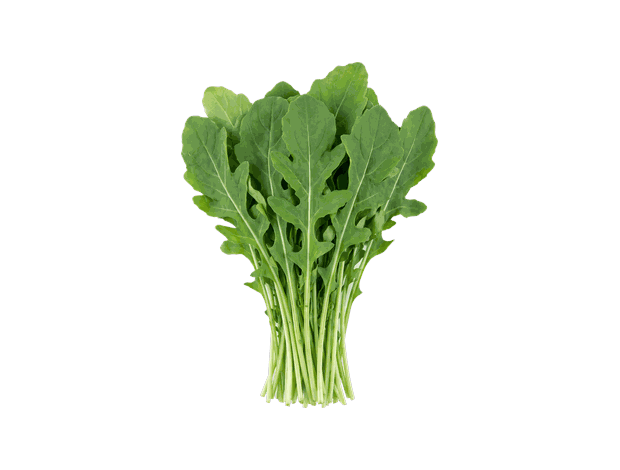
Rocket grown in aquaponics under glass

Rocket

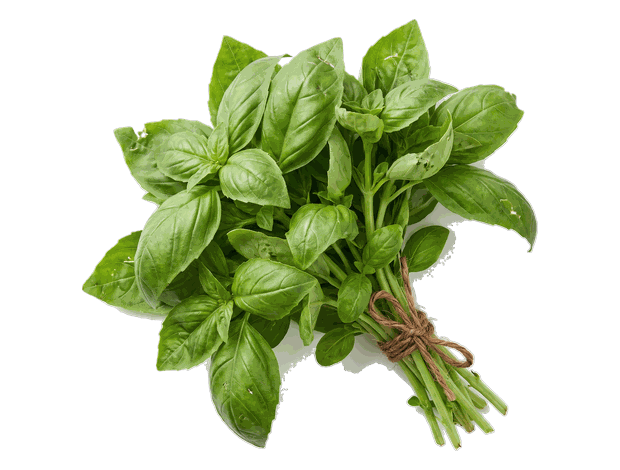
Basil grown in aquaponics under glass

Basil

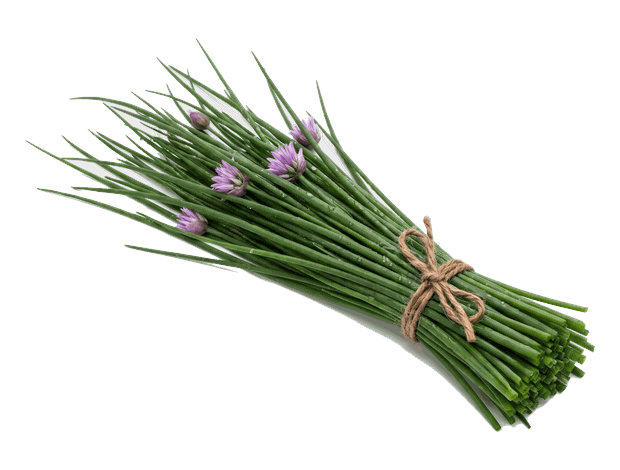
Chives grown in aquaponics under glass

Chives

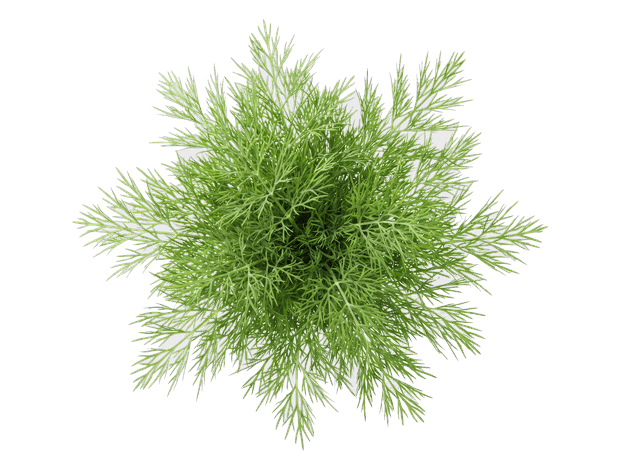
Dill grown in aquaponics under glass

Dill

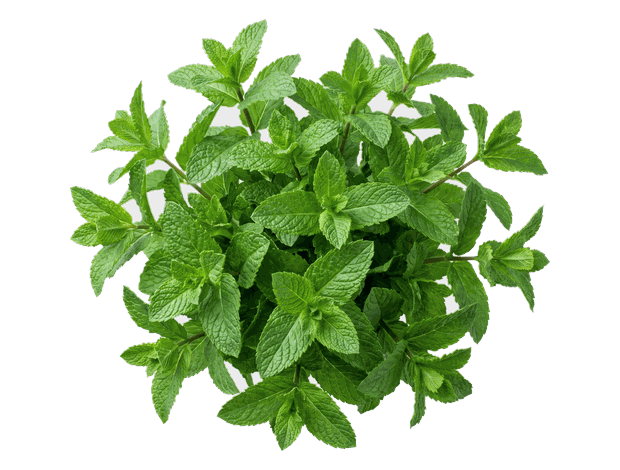
Mint grown in aquaponics under glass

Mint

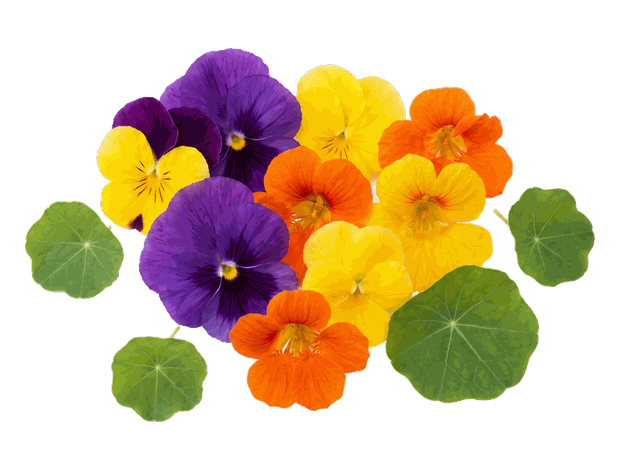
Pansies and nasturtiums

Pansies and nasturtiums

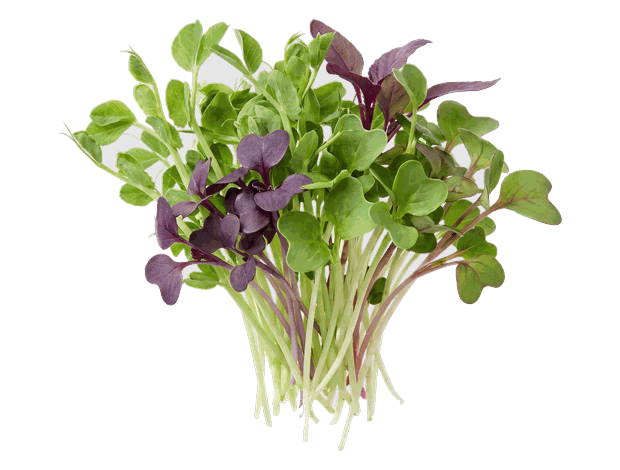
Microgreens

Microgreens

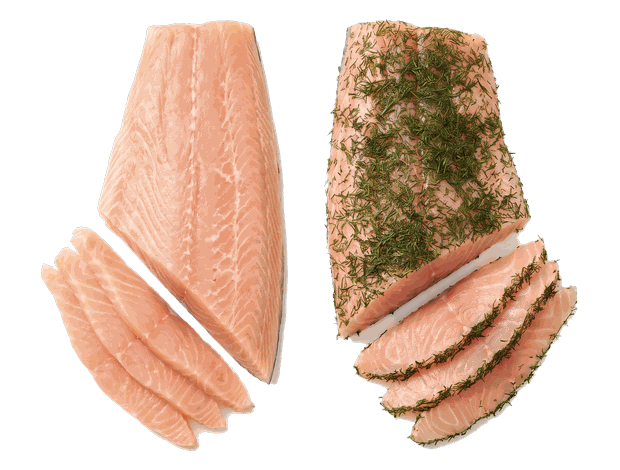
Smoked trout and gravlax prepared in the processing unit

Smoked fillets and gravlax

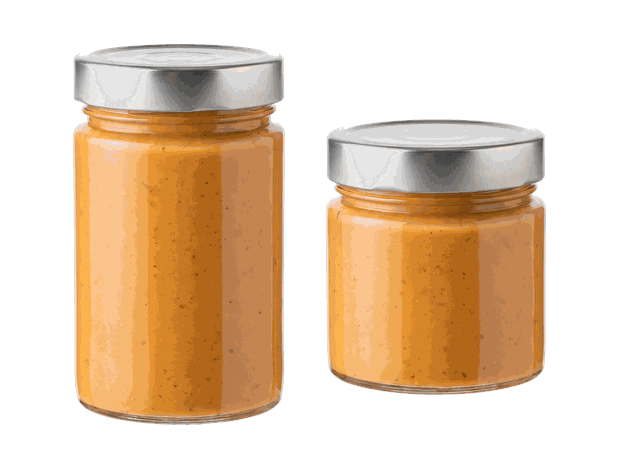
Soups made from the farm's vegetables

Soups

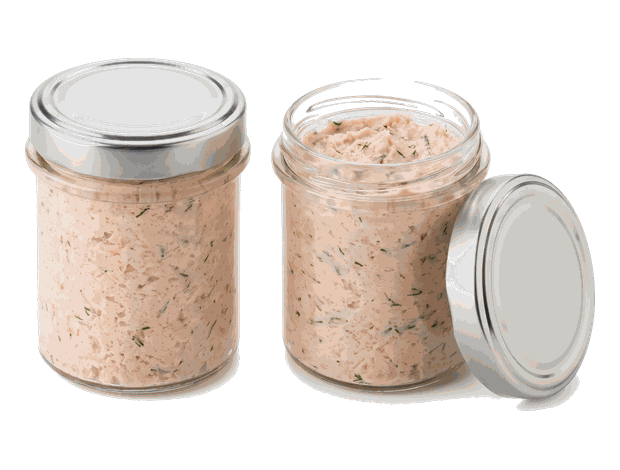
Trout rillettes prepared in the processing unit

Fish rillettes

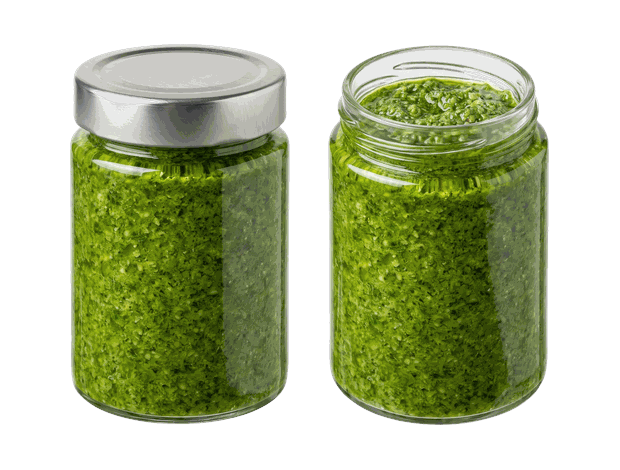
Pesto made from the farm's basil

Pesto

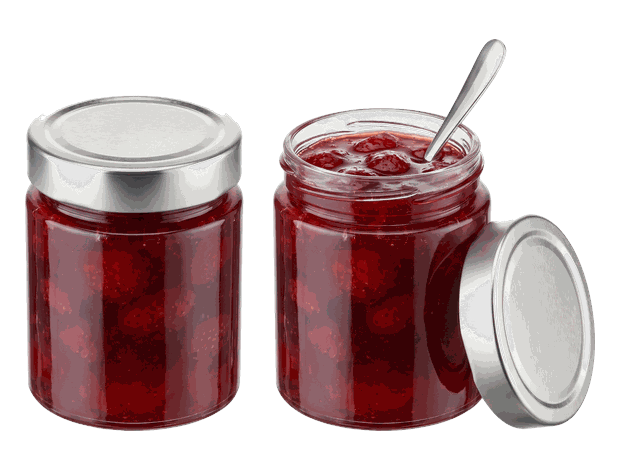
Jams made from the farm's fruit

Jams

Why does every region need
an aquaponic farm?

Our farm in Vic-sur-Seille is a pilot, the first of our project.
But in reality, many other areas would gain from hosting an aquaponic farm.
Here is why it would be worth developing one in yours:

01

Producing local, healthy, low-carbon food

Today, fish, fruit and vegetables often come from far away. Producing them less than 100 km from where they are eaten, with sustainable technology, sharply reduces transport and guarantees a fresh harvest in every season.

02

Creating local jobs that cannot be offshored

A one-hectare farm like ours creates around ten direct jobs, none of which can be offshored, in production, processing and sales. It also supports a whole supply chain around it.

03

Establishing a diversified and complementary agriculture

A single site brings together fish farming, market gardening, processing and fertiliser production through vermicomposting. These synergies give the project its profitability and its roots in the local area.

04

Preserving water and adapting to the climate

The closed circuit reuses almost all of the water and releases nothing into the environment, unlike fish farming at sea or in rivers. Our crops are protected and adapted to global warming.

05

A highly flexible farming model

Aquaponics adapts to almost any climate. Cold water, warm water or even brackish water, temperate or tropical crops: each farm is designed almost to measure, according to what its area needs.

06

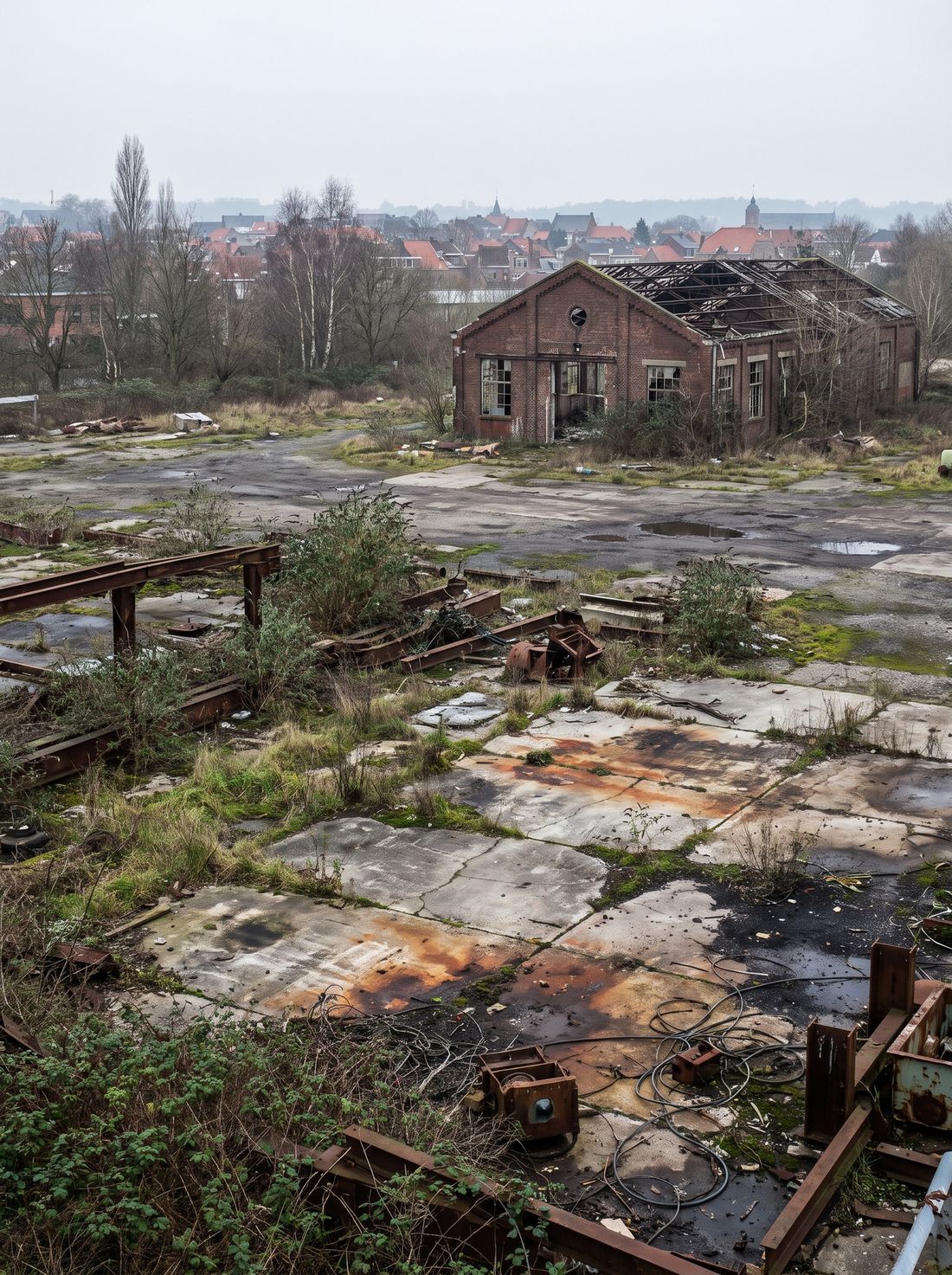
Bringing unusable land back into use

Because aquaponics is soilless growing, a farm can be built on a brownfield site, a contaminated site or a plot with no agronomic value. Land that had no further use becomes useful and productive again.

07

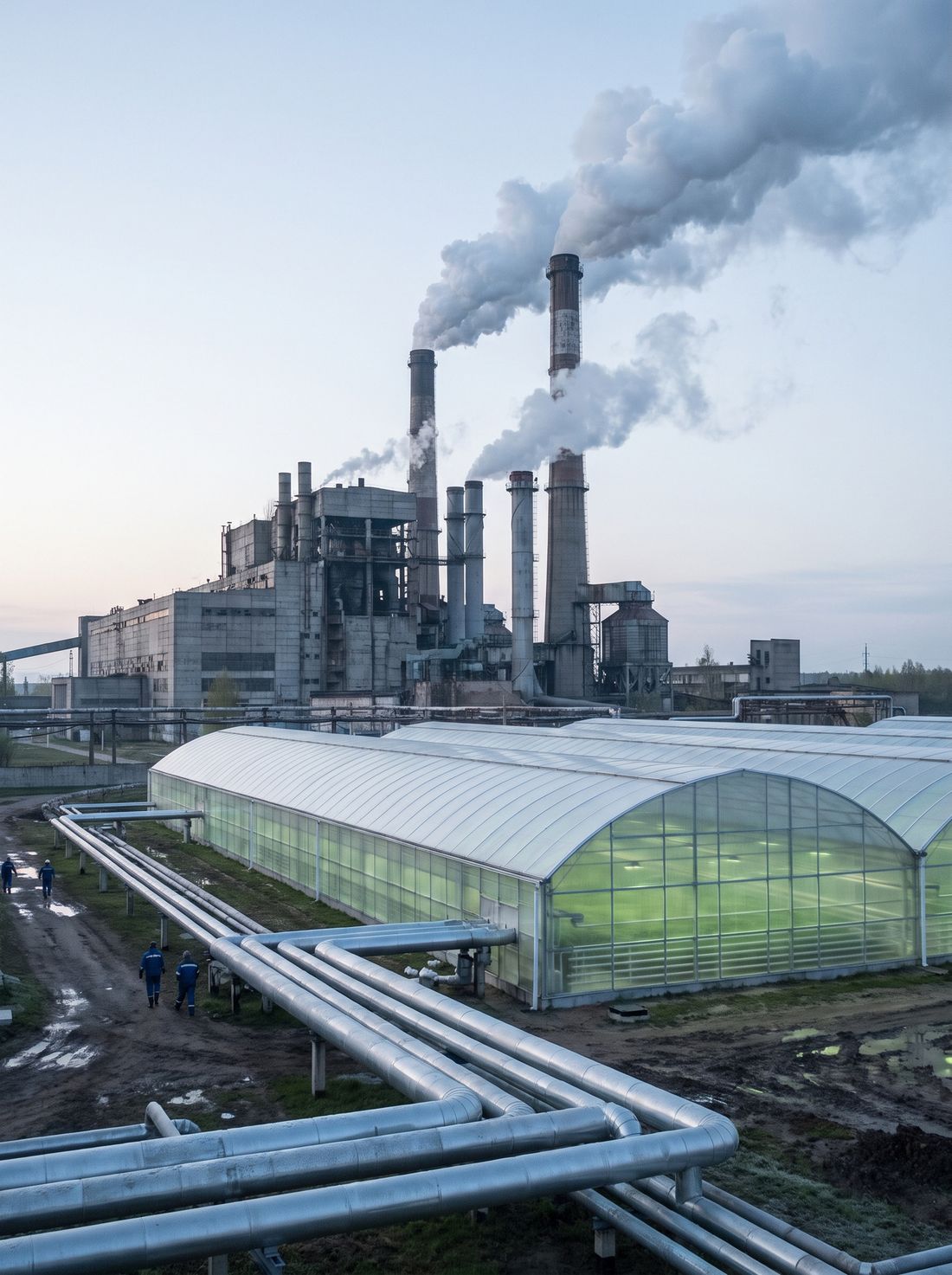
Putting waste heat to use

Data centres and industrial sites give off heat all year round. A greenhouse built alongside one could reuse that heat to produce warm-water fish and plants, at any time of year.

Let's talk about what your area needs

Where does the project stand?

See what has already been done, what our next steps are
and where we want to go in the long run.

Meeting with the President of the Grand Est Region and the MP for Moselle's fourth constituency

Summer 2025

  • Land agreement with the town of Vic-sur-Seille
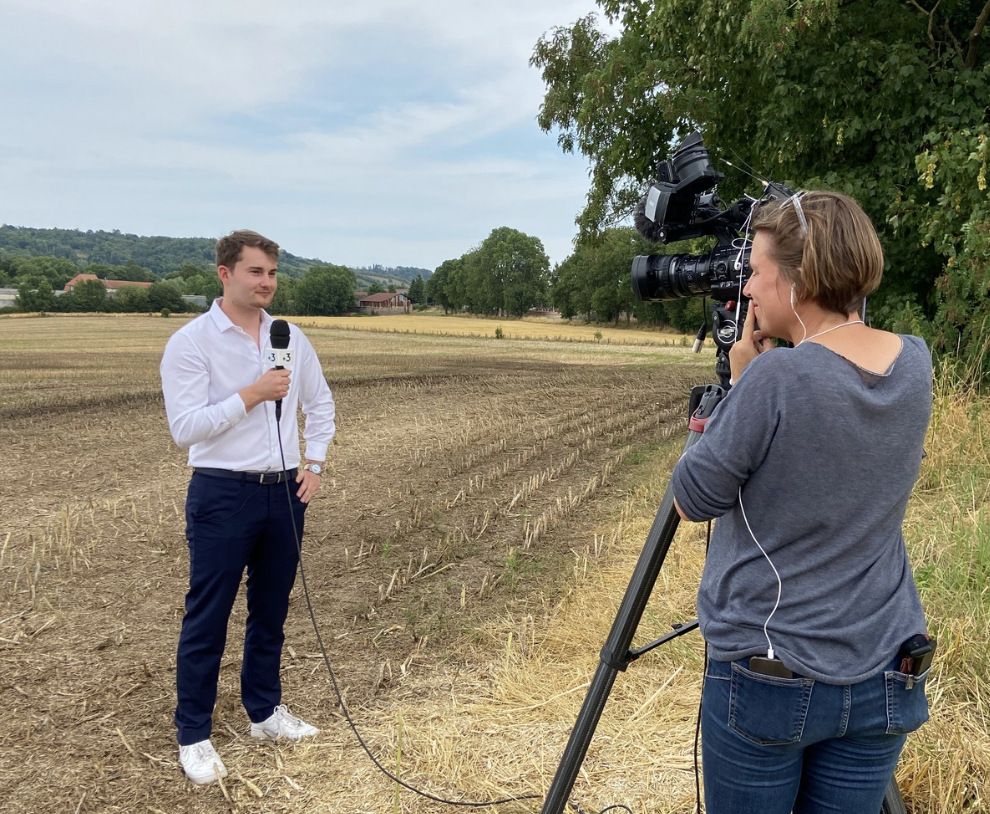
  • First media coverage of the project
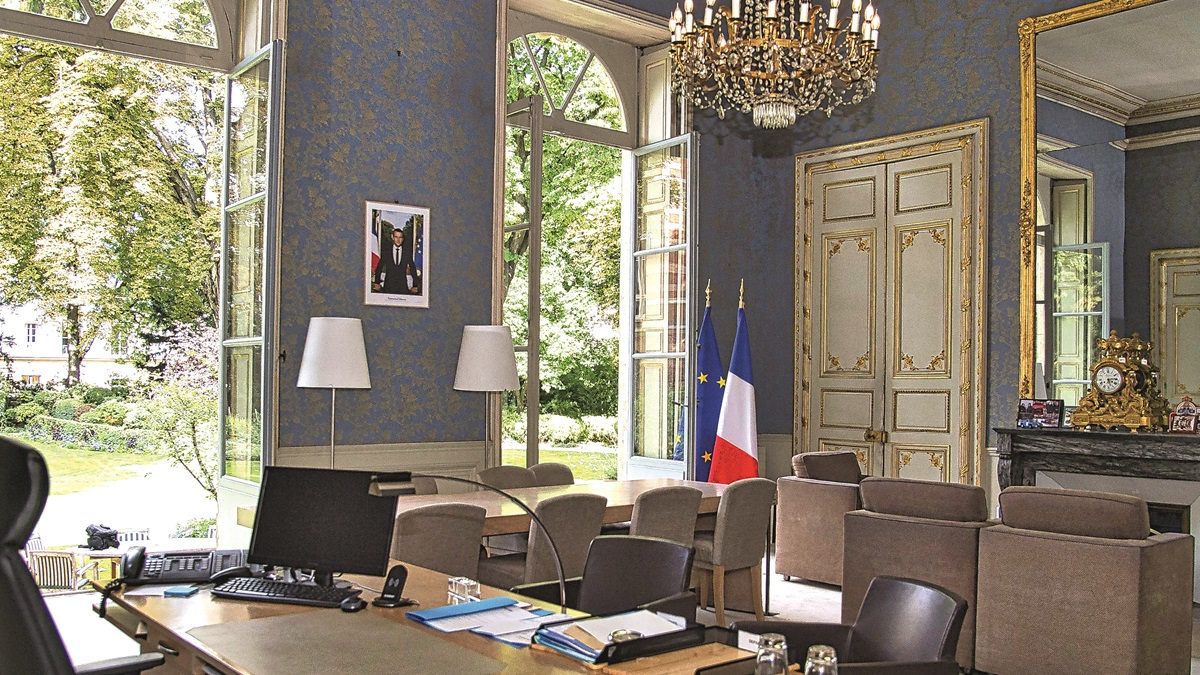
  • Meeting with the President of the Grand Est Region and the MP for Moselle's 4th constituency
  • Launch of Univers Aquaponie, our home aquaponics brand

Autumn 2025

  • Start of the administrative procedures and the detailed design studies
  • Launch of the fundraising round
  • Work begins with the architect and the various engineering consultancies
  • New market study completed: more than 100% of our B2B output, i.e. 85% of total production, committed through letters of intent signed by customers in the area

Spring 2026

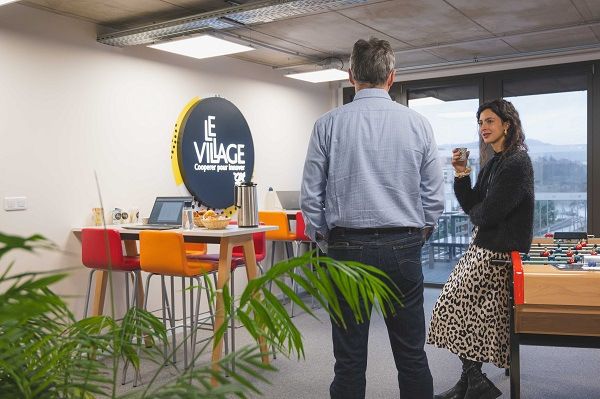
  • Joined Village by CA and French Tech Grand Est
  • Progress on the administrative filings and the grant applications
  • Start of the update to the local planning scheme (PLU)
  • Architect's work and fundraising round continue
  • Suppliers confirmed for the construction phase and for the start of production

Summer 2026

  • Project presented to the French Ministry of Agriculture and the Ministry of Ecological Transition
  • Joint work on developing the French aquaponics sector
  • Continued progress on the administrative filings
  • Website redesign

Autumn 2026

  • Remaining permits obtained, including environmental approval under the ICPE regime, France's rules for regulated sites
  • First part of the round closed with business angels
  • Second part of the round opened with the banks

Winter and spring 2027

  • Bank financing finalised
  • Tendering with the engineering consultancies and the suppliers
  • Building permit obtained
  • Purchase of the land
  • Construction starts

Spring and summer 2027

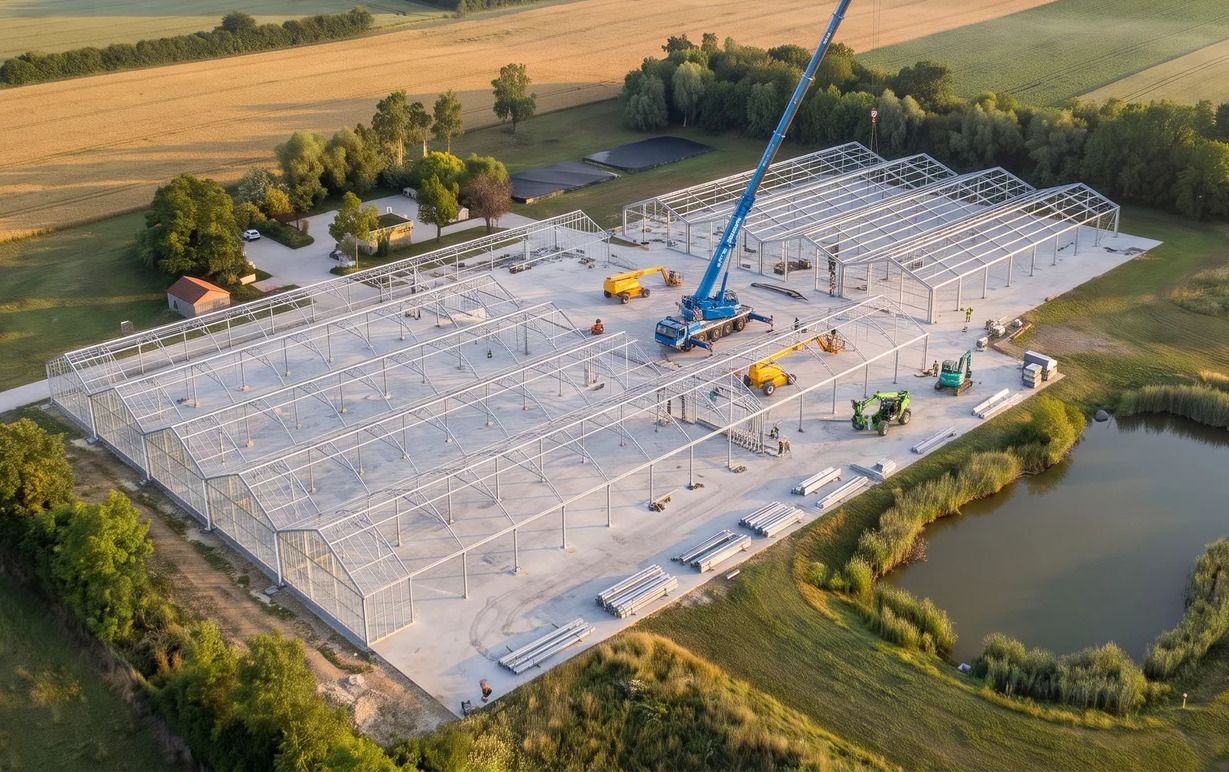
  • Construction of the farm
  • Start of production
  • Opening and presentation to the public

2027 à 2030

  • Ramp-up to full operating capacity
  • Refining the concept and testing new products
  • Training the teams and building their skills
  • Planning and preparing to replicate the model

From 2030

  • Replicating the model directly, through franchising or in partnership
  • Growth elsewhere in France and abroad
  • Structuring Aquaponeasy for large-scale growth, with a new head office, a management team and regional managers
Join the project

Interested in the project? It is still looking for funding

The round is open and we are aiming to close it by the end of 2026, so that construction can start in early 2027.

Invest in the project